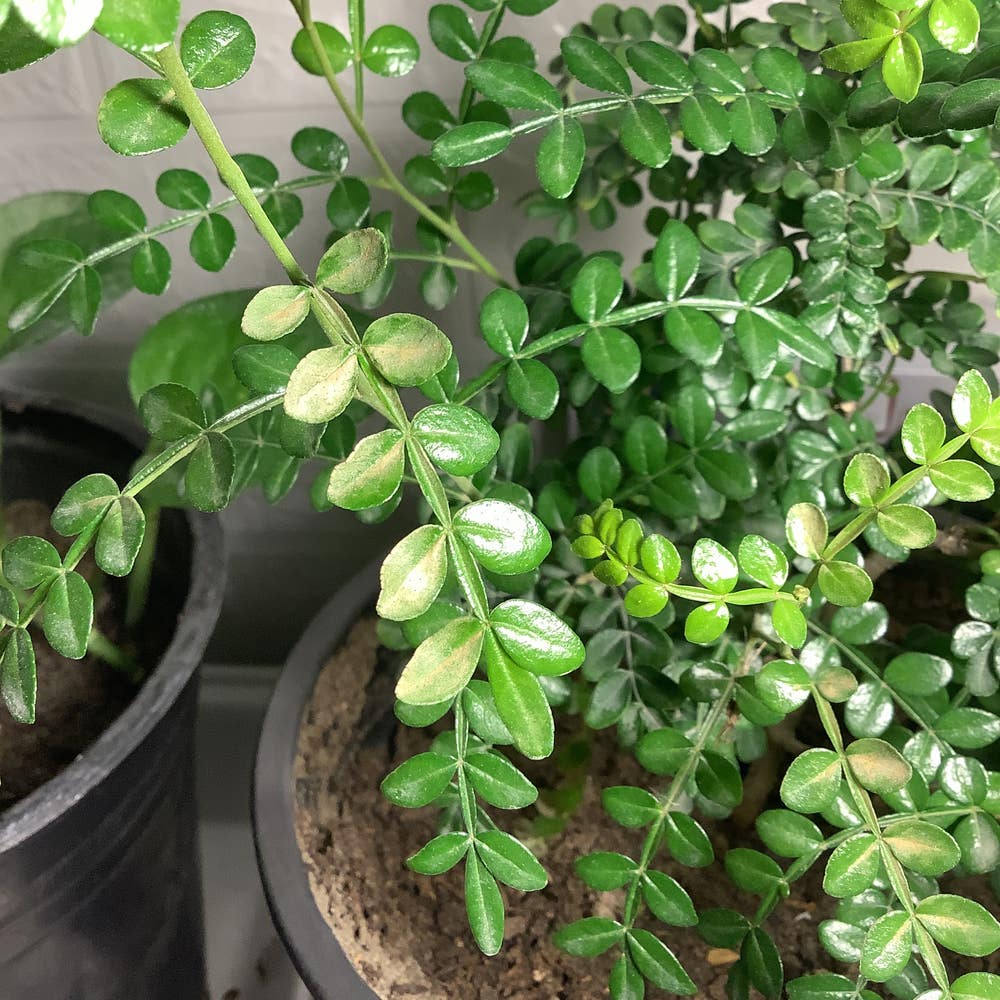
🌳 Watering Frequency for Brazilian Pepper Tree: Best Practices
Zanthoxylum rhoifolium
By the Greg Editorial Team
Nov 26, 2024•6 min read
This article was created with the help of AI so we can cover more plants for you. May contain errors. See one? Report it here.
- 💧 Proper watering frequency is vital for healthy Brazilian Pepper Trees.
- 🌞 Climate and soil type dictate watering needs; adjust accordingly for best growth.
- 📅 Create a watering schedule using apps to track moisture and prevent issues.
Importance of Proper Watering Frequency
Understanding the watering needs of your Brazilian Pepper Tree is crucial for its health and growth. Proper watering frequency not only supports the tree's vitality but also prevents common issues like root rot or wilting.
🌦️ Factors Affecting Watering Needs
Climate Considerations
The climate plays a significant role in determining how often you should water your Brazilian Pepper Tree. In hot, dry climates, you may need to water more frequently to keep the tree hydrated.
Conversely, in humid climates, the moisture in the air can reduce the need for watering. It's essential to observe how the local weather affects your tree's moisture levels.
Soil Type
The type of soil your tree is planted in also impacts its watering needs. Well-draining soils allow excess water to escape, reducing the risk of over-watering.
On the other hand, heavy clay soils retain moisture longer, which can lead to waterlogged roots if not monitored closely. Understanding your soil type is key to establishing a proper watering routine.
Pot Size
The size of the pot is another factor to consider. Larger pots tend to retain moisture longer than smaller ones, meaning they require less frequent watering.
If your Brazilian Pepper Tree is in a small pot, be prepared to check the soil more often to ensure it doesn't dry out too quickly. Adjusting your watering frequency based on pot size can make a significant difference in your tree's health.
By considering these factors—climate, soil type, and pot size—you can develop a tailored watering schedule that meets the specific needs of your Brazilian Pepper Tree. This proactive approach will help ensure your tree thrives, setting the stage for the next section on recognizing signs of over-watering and under-watering.
Recognizing Over-Watering and Under-Watering
Signs of Over-Watering 🌧️
One of the first signs that your Brazilian Pepper Tree is suffering from over-watering is yellowing leaves. This discoloration often indicates that excess moisture is negatively impacting root health.
Another critical symptom to watch for is root rot, which manifests as mushy roots accompanied by a foul smell. To prevent this issue, ensure your pot has proper drainage and adopt effective watering practices.
Signs of Under-Watering 💧
Conversely, under-watering can lead to noticeable wilting. When the leaves droop and lose their turgidity, it’s a clear signal that your tree needs more water.
Additionally, dry soil is a telltale sign of under-watering. If you notice the soil pulling away from the edges of the pot, it’s time to give your Brazilian Pepper Tree a drink.
Recognizing these signs early can help you maintain the health of your tree, ensuring it thrives in your care. Next, let’s explore effective watering techniques to keep your plant happy and hydrated.
Watering Techniques
Bottom-Watering Method 🌊
The bottom-watering method is a simple yet effective technique where water is absorbed from the bottom of the pot. This approach not only ensures that the roots receive moisture directly but also minimizes the risk of over-watering.
Benefits of Bottom-Watering
- Encourages Deep Root Growth: By allowing the roots to reach down for moisture, this method promotes a stronger, more resilient plant.
- Reduces Over-Watering Risks: Since water is drawn from the bottom, it helps prevent waterlogging, which can lead to root rot.
Step-by-Step Instructions for Bottom-Watering
- Fill a Basin with Water: Start by filling a basin or tray with enough water to submerge the bottom of the pot.
- Place the Pot in the Basin: Set your pot in the basin and let it soak for about 30 minutes.
- Remove and Allow Excess Water to Drain: After soaking, take the pot out and let any excess water drain away. This ensures your plant gets the right amount of moisture without becoming waterlogged.
Self-Watering Pots 💧
Self-watering pots are designed to provide consistent moisture to your plants, making them a great option for busy gardeners. These pots typically feature a reservoir that allows plants to absorb water as needed.
Benefits of Self-Watering Pots
- Reduces Frequency of Watering: With a built-in reservoir, you won’t need to water as often, giving you more time to enjoy your plants.
- Helps Maintain Optimal Moisture Levels: These pots help ensure that your Brazilian Pepper Tree receives the right amount of moisture, reducing the risk of both over-watering and under-watering.
Incorporating these watering techniques can significantly enhance the health and growth of your Brazilian Pepper Tree. Next, let’s explore how to measure soil moisture effectively to ensure your tree gets just the right amount of water.
Measuring Soil Moisture
🌡️ Tools for Measuring Moisture Levels
Understanding soil moisture is crucial for the health of your Brazilian Pepper Tree. Two effective methods for measuring moisture levels are using a moisture meter and the finger test.
Moisture Meter
A moisture meter is a handy tool that provides a quick and accurate reading of soil moisture. To use it effectively, simply insert the probe into the soil and wait for a few seconds to get a reading.
For Brazilian Pepper Trees, aim for a moisture level between 4 and 6 on the meter. This range indicates that the soil is adequately moist without being overly saturated.
Finger Test
The finger test is a simple, no-cost method to check soil moisture. Follow these steps for accurate results:
- Insert your finger into the soil up to 2 inches.
- Assess the moisture by feel; if it feels dry, it’s time to water.
- Determine if watering is needed based on the soil texture; crumbly soil indicates dryness, while sticky soil suggests adequate moisture.
By mastering these techniques, you can ensure your Brazilian Pepper Tree receives the right amount of water, promoting healthy growth and vitality.
Next, let’s explore how to create a watering schedule that fits your tree's needs.
Watering Schedule and Reminders
📱 Creating a Watering Schedule Using the App
In today's digital age, managing your Brazilian Pepper Tree's watering needs can be as easy as tapping your phone. Many gardening apps offer features that allow you to set reminders for watering frequency, ensuring you never forget to hydrate your plant.
These apps can also track moisture levels and overall plant health. By monitoring these metrics, you can adjust your care routine based on real-time data, leading to a thriving tree.
🌦️ Seasonal Adjustments to Watering Frequency
As the seasons change, so do the watering needs of your Brazilian Pepper Tree. During spring and summer, when growth is at its peak, you’ll want to increase your watering frequency to support this vigorous growth.
Conversely, as fall and winter approach, your tree enters a period of dormancy. This means you should reduce watering, allowing the soil to dry out a bit more between sessions. Adjusting your watering schedule according to the seasons helps maintain optimal health for your tree.
By keeping these tips in mind, you can ensure your Brazilian Pepper Tree receives the right amount of water throughout the year. Next, let’s explore effective techniques for measuring soil moisture to further refine your watering practices.
⚠️ Safety First
This content is for general information and may contain errors, omissions, or outdated details. It is not medical, veterinary advice, or an endorsement of therapeutic claims.
Always consult a qualified healthcare professional before using any plant as food, medicine, or supplement.
Never eat any plant (or feed one to pets) without confirming its identity with at least two trusted sources.
If you suspect poisoning, call Poison Control (800) 222-1222, the Pet Poison Helpline (800) 213-6680, or your local emergency service immediately.
Spotted an error? Please report it here.
Keep your Brazilian Pepper Tree thriving 🌱 by using Greg's tailored watering reminders and moisture tracking to ensure it gets just the right amount of hydration!