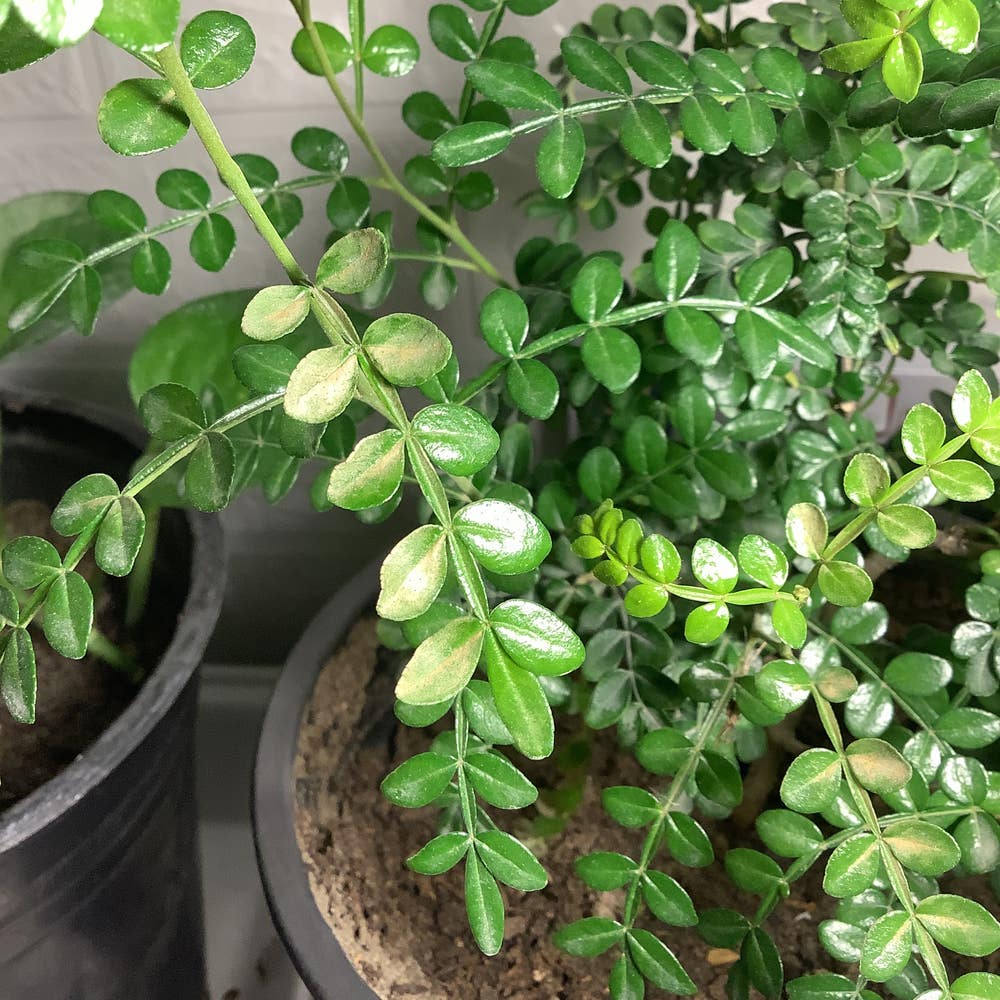
🌳 How Big Your Brazilian Pepper Tree Can Get
Zanthoxylum rhoifolium
By the Greg Editorial Team
Oct 25, 2024•4 min read
This article was created with the help of AI so we can cover more plants for you. May contain errors. See one? Report it here.
- 🌳 Brazilian pepper trees grow 15-30 feet tall; dwarf varieties reach 6-10 feet.
- ⏳ Fast growth: full size in 10-15 years with optimal conditions.
- ✂️ Regular pruning is essential for size control and tree health.
Mature Height and Spread
🌳 Typical Dimensions
The Brazilian pepper tree typically reaches a mature height of 15 to 30 feet (4.5 to 9 meters). Its spread can extend up to 25 feet (7.6 meters) wide, making it a substantial presence in any landscape.
🚀 Growth Rate
This tree boasts a fast growth rate, often achieving its full size within 10 to 15 years under optimal conditions. Key factors influencing its growth include soil quality, water availability, and sunlight exposure.
📏 Size Variability
Size variability is common due to environmental factors. For instance, trees in well-drained, sunny locations may grow larger compared to those in shaded or poor soil conditions.
Understanding these dimensions and growth patterns can help you make informed decisions about planting and maintaining Brazilian pepper trees in your landscape. Next, we’ll explore the fascinating dwarf and giant varieties of this versatile tree.
Dwarf and Giant Varieties
Dwarf Variety 🌱
The Brazilian pepper tree has a dwarf variety that typically reaches a height of 6 to 10 feet (1.8 to 3 meters). This compact size makes it perfect for smaller landscapes and confined spaces, allowing gardeners to enjoy its beauty without overwhelming their area.
Giant Variety 🌳
On the other end of the spectrum, the giant variety can exceed 30 feet (9 meters) in height. When considering this option, think about planting it in larger areas where it can serve as a stunning focal point in landscaping designs.
This diversity in size allows for versatile landscaping options, catering to both compact gardens and expansive properties. Whether you choose a dwarf or giant variety, understanding their growth potential is key to making the right choice for your space.
Next, we’ll explore how to control the size of these trees to fit your landscaping needs.
Controlling Size
✂️ Pruning Techniques
Pruning is essential for controlling the size of your Brazilian pepper tree. It helps maintain a manageable height and encourages healthy growth.
Recommended techniques include thinning, heading back, and shaping. Thinning removes excess branches, while heading back cuts back the tree to promote denser foliage. Shaping gives your tree a more aesthetically pleasing form.
⏰ Timing for Pruning
The best times to prune are late winter or early spring, just before new growth begins. This timing ensures that your tree can recover quickly and thrive.
For maintenance, aim to prune annually or biannually. Regular pruning keeps your tree in check and enhances its overall health.
📏 Other Size Control Methods
In addition to pruning, consider using growth regulators if applicable. These can help manage growth rates effectively.
Strategic planting locations also play a crucial role in limiting spread. Position your Brazilian pepper tree thoughtfully to prevent it from encroaching on other plants or spaces.
With these techniques, you can enjoy the beauty of your Brazilian pepper tree while keeping it within desired dimensions. Next, let’s explore how to incorporate these trees into your landscaping effectively.
Landscaping Considerations
Using in Landscaping 🌳
Incorporating Brazilian pepper trees into your landscape can offer numerous benefits. They provide aesthetic appeal with their lush foliage and vibrant berries, while also creating shade that enhances outdoor spaces.
Size Considerations for Urban Areas 🏙️
Planting in urban settings presents unique challenges. Limited space can restrict growth, so selecting smaller varieties or dwarf options is advisable to maintain a manageable size.
Impact on Neighboring Plants 🌱
Brazilian pepper trees can exhibit invasive growth, potentially overshadowing local flora. To mitigate this, consider strategic planting and regular maintenance to manage their spread and protect neighboring plants.
By understanding these landscaping considerations, you can effectively integrate Brazilian pepper trees into your outdoor spaces while ensuring harmony with the surrounding environment. Next, let’s explore the various dwarf and giant varieties available.
⚠️ Safety First
This content is for general information and may contain errors, omissions, or outdated details. It is not medical, veterinary advice, or an endorsement of therapeutic claims.
Always consult a qualified healthcare professional before using any plant as food, medicine, or supplement.
Never eat any plant (or feed one to pets) without confirming its identity with at least two trusted sources.
If you suspect poisoning, call Poison Control (800) 222-1222, the Pet Poison Helpline (800) 213-6680, or your local emergency service immediately.
Spotted an error? Please report it here.
Unlock the full potential of your Brazilian pepper trees 🌳 with Greg's tailored care tips and pruning reminders to keep them thriving and beautifully sized!