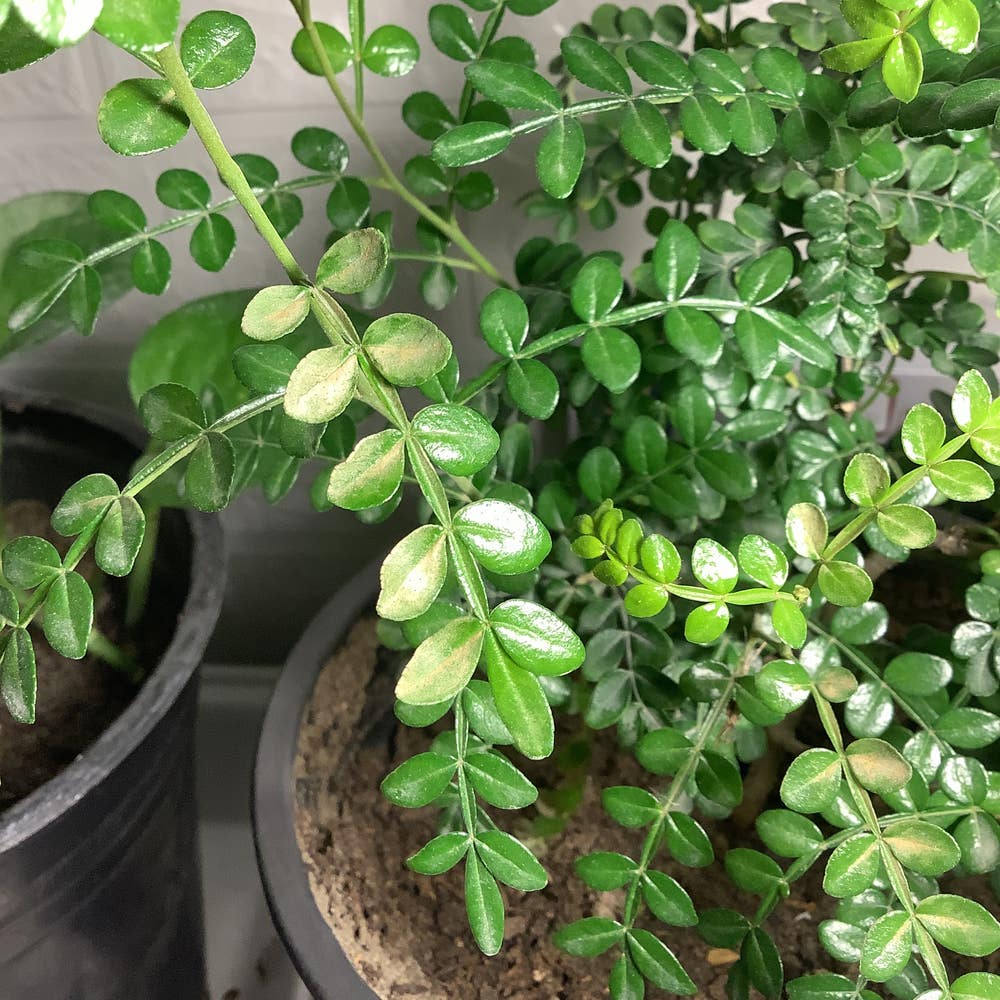
🌳 Brazilian Pepper Tree Hardiness Zones Ultimate Guide: 9a-11b
Zanthoxylum rhoifolium
By the Greg Editorial Team
Oct 25, 2024•4 min read
This article was created with the help of AI so we can cover more plants for you. May contain errors. See one? Report it here.
- 🌡️ Brazilian Pepper Trees thrive in zones 9a-11b, tolerating temperatures from 20°F to 100°F.
- 🌞 Full sun and well-drained soil are essential for healthy growth and preventing root rot.
- 🌊 Microclimates and coastal breezes enhance cultivation success in Florida and California.
Temperature Tolerance
❄️ Cold Tolerance
Brazilian Pepper Trees can tolerate temperatures as low as 20°F (-6°C). They also have a remarkable ability to withstand brief frost events, making them resilient in cooler climates.
☀️ Heat Tolerance
On the flip side, these trees thrive in heat, withstanding temperatures up to 100°F (38°C) and even higher. Their adaptations, such as deep root systems, help them flourish in scorching conditions.
🌡️ Ideal Temperature Ranges for Growth
For optimal growth, Brazilian Pepper Trees prefer temperatures between 70°F and 90°F (21°C to 32°C). However, fluctuations outside this range can impact their overall health and growth rates, so consistency is key.
Understanding these temperature tolerances is crucial for successful cultivation. Next, we’ll explore the ideal growing regions for Brazilian Pepper Trees.
Ideal Growing Regions
🌳 Suitable US States (9a-11b)
When it comes to growing Brazilian Pepper Trees, Florida and California stand out as the top contenders. Florida's warm climate, coupled with its coastal influence, creates an ideal environment for these trees to flourish.
California also offers regions with similar climate characteristics, particularly along the coast. The combination of warmth and moisture in these areas supports the healthy growth of Brazilian Pepper Trees.
🌤️ Contributing Factors to Ideal Conditions
To thrive, Brazilian Pepper Trees have specific preferences that must be met. They favor well-drained soils, which help prevent root rot and other moisture-related issues.
Sunlight is another crucial factor; these trees need full sun exposure for at least 6 to 8 hours daily. Additionally, consistent moisture is vital, but it's essential to avoid waterlogging, which can hinder their growth.
Understanding these conditions can significantly enhance your chances of successfully cultivating Brazilian Pepper Trees. With the right environment, these trees can become a vibrant part of your landscape.
As we explore further, we’ll delve into how microclimates can impact the growth of Brazilian Pepper Trees, allowing them to thrive even outside their typical hardiness zones.
Microclimates and Their Impact
🌦️ Definition and Creation of Microclimates
Microclimates are localized climate variations that can significantly affect plant growth. Factors such as elevation, proximity to water, and urban development play crucial roles in creating these unique environments.
🌱 Extending Growing Range
Microclimates enable Brazilian Pepper Trees to flourish beyond their typical hardiness zones. They can provide warmer temperatures and consistent moisture, allowing these trees to thrive even in less-than-ideal conditions.
🗺️ Examples of Microclimates in the US
Coastal areas in Florida benefit from ocean breezes and high humidity, creating a perfect setting for Brazilian Pepper Trees. Meanwhile, urban areas in California experience heat retention from buildings and pavement, further extending the growing range for these resilient trees.
Understanding microclimates can help gardeners and landscapers optimize conditions for Brazilian Pepper Trees, ensuring they reach their full potential. Next, we’ll explore state-level suitability analysis to identify the best regions for planting these trees.
State-Level Suitability Analysis
🌴 Suitable States
When it comes to the Brazilian Pepper Tree, Florida stands out as a prime location. Its warm climate, coupled with suitable soil and moisture levels, creates an ideal environment for this resilient species.
California also makes the list, particularly its coastal regions. The favorable temperatures and conditions here allow the Brazilian Pepper Tree to flourish.
❄️ Unsuitable States
On the flip side, northern states like Maine and North Dakota are not suitable for growing Brazilian Pepper Trees. The cold temperatures and risk of frost present significant challenges.
These states face long winters and low temperatures, making it difficult for the trees to survive. Frost events can severely hinder their growth and overall health.
🌡️ Climate and Hardiness Zone Analysis
Analyzing climate data reveals the hardiness zones for each state. Florida and California fall within the optimal zones (9a-11b), making them excellent choices.
Frost dates are crucial in this analysis. Understanding the first and last frost dates helps gauge the potential for growth and survival of Brazilian Pepper Trees in various regions.
This knowledge empowers gardeners to make informed decisions about planting and caring for these trees, ensuring they thrive in their chosen environments.
⚠️ Safety First
This content is for general information and may contain errors, omissions, or outdated details. It is not medical, veterinary advice, or an endorsement of therapeutic claims.
Always consult a qualified healthcare professional before using any plant as food, medicine, or supplement.
Never eat any plant (or feed one to pets) without confirming its identity with at least two trusted sources.
If you suspect poisoning, call Poison Control (800) 222-1222, the Pet Poison Helpline (800) 213-6680, or your local emergency service immediately.
Spotted an error? Please report it here.
Cultivating Brazilian Pepper Trees is a breeze 🌞 with Greg's tailored care tips and watering reminders, ensuring your trees flourish in their ideal hardiness zones!