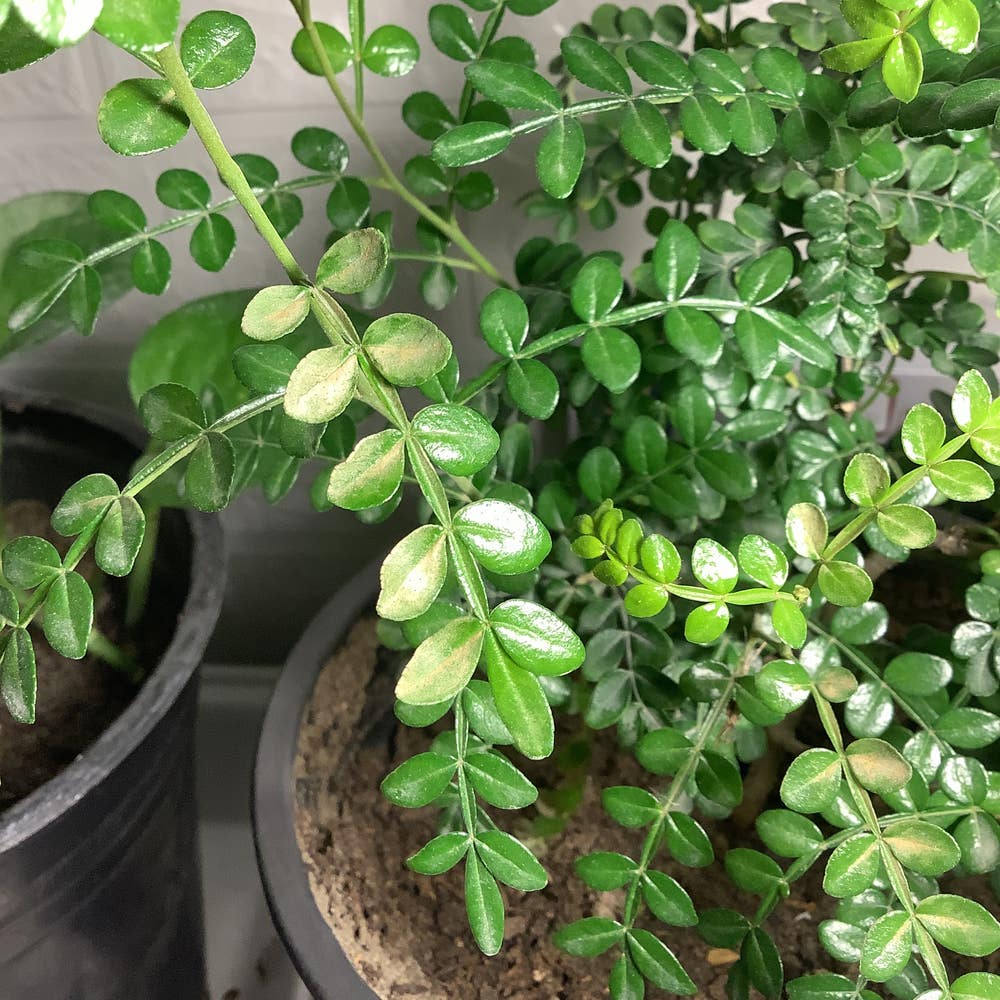
Fagara Is Not an Annual
Zanthoxylum rhoifolium
By the Greg Editorial Team
Nov 26, 2024•5 min read
This article was created with the help of AI so we can cover more plants for you. May contain errors. See one? Report it here.
- 🌱 Fagara is a perennial, thriving for decades with proper care and conditions.
- 🌿 Its extensive root system optimizes nutrient absorption, enhancing overall plant health.
- 🌼 Fagara blooms multiple times a year, adapting to environmental changes beautifully.
Fagara's Perennial Nature
🌱 Genetic Characteristics
Fagara's genetic makeup is a marvel of adaptation. Its chromosomal structure allows it to survive and thrive over the long term, making it a resilient choice for gardeners.
This genetic resilience means Fagara can withstand varying environmental conditions. Whether facing drought or heavy rainfall, it has the tools to endure and flourish.
🌿 Physiological Traits
One of the standout features of Fagara is its extensive root system. These roots are designed for optimal nutrient and water absorption, ensuring the plant remains healthy and robust.
Additionally, Fagara boasts leaf longevity. Its persistent foliage supports photosynthesis across multiple seasons, contributing to its overall vitality.
⏳ Long-Term Lifecycle
Fagara typically enjoys a lifespan of several years, with some specimens living for decades under ideal conditions. This longevity makes it a valuable addition to any garden.
Its seasonal growth patterns are equally fascinating. Fagara enters dormancy during cooler months, conserving energy, and springs back to life with active growth as temperatures rise.
This unique combination of genetic and physiological traits solidifies Fagara's status as a perennial powerhouse. Understanding these characteristics is essential for anyone looking to cultivate this remarkable plant.
As we explore further, let’s dive into Fagara’s growth and reproductive strategies, which are equally intriguing.
Growth and Reproductive Strategies
🌱 Growth Patterns Compared to Annuals
Fagara exhibits a slower initial growth rate compared to annual plants. However, this gradual start leads to sustained growth over the years, allowing it to thrive long-term.
Adaptability is a key trait of Fagara. It adjusts its growth based on environmental factors like temperature and moisture, making it resilient in various conditions.
🌸 Flowering Cycles
One of the most fascinating aspects of Fagara is its blooming frequency. Unlike many annuals that flower once, Fagara can produce blooms multiple times throughout the year.
Flowering is triggered by environmental cues such as temperature changes and daylight length. This responsiveness ensures that Fagara can take advantage of optimal conditions for reproduction.
🌾 Seed Production and Dispersal Mechanisms
Fagara is notable for its seed viability. It can produce seeds that remain viable for extended periods, ensuring the continuation of its lifecycle even in challenging conditions.
The plant employs various dispersal strategies, including wind, water, and animal-mediated methods. These mechanisms enhance its ability to spread and thrive in diverse environments.
Understanding these growth and reproductive strategies highlights Fagara's unique position as a perennial. This knowledge can help gardeners appreciate its long-term value and plan accordingly for successful cultivation.
Next, we will explore common misconceptions and exceptions regarding Fagara's classification as a perennial.
Misconceptions and Exceptions
🌱 Conditions Where Fagara May Be Mistaken for an Annual
Fagara can sometimes be misidentified as an annual due to environmental stressors. Drought or extreme temperatures can lead to reduced growth, making it appear as if the plant is not thriving year after year.
Mismanagement also plays a significant role in this misconception. Poor care practices, such as inadequate watering or nutrient deficiencies, can limit Fagara's perennial potential, causing it to underperform.
🌍 Regional Variations Affecting Classification
The climate significantly impacts how Fagara grows and flowers. In tropical regions, it may flourish differently than in subtropical areas, leading to variations in its lifecycle and overall health.
Additionally, varietal differences in Fagara can influence its classification. Some varieties have specific adaptations that allow them to thrive in particular conditions, further complicating the perception of Fagara as a perennial plant.
Understanding these nuances helps gardeners appreciate Fagara's true nature and potential. By recognizing the factors that affect its growth, you can better care for this resilient plant and enjoy its beauty for years to come.
Next, we’ll explore how to effectively design and plan gardens that incorporate Fagara, maximizing its benefits in your landscape.
Garden Design and Planning
Advantages in Perennial Garden Designs 🌼
Fagara is a fantastic choice for perennial garden designs. It offers consistent blooms and lush foliage year after year, making it a long-term investment for any gardener.
In addition to its beauty, Fagara enhances biodiversity. It attracts pollinators and beneficial insects, which are essential for a healthy garden ecosystem.
Strategies for Maximizing Longevity 🌱
To ensure Fagara thrives, consider companion planting. Pairing it with other perennials can create a mutually beneficial environment, promoting growth and resilience.
Soil health is crucial for optimal growth. Focus on maintaining nutrient-rich, well-draining soil to support Fagara's extensive root system and overall vitality.
By implementing these strategies, you can enjoy the enduring beauty of Fagara in your garden for many seasons to come. This sets the stage for exploring effective management tips to care for your Fagara plants.
Management Tips
Best Practices for Caring for Fagara as a Perennial 🌱
Caring for Fagara as a perennial requires attention to its specific needs. Start with a consistent watering schedule to maintain moisture, but be careful to avoid waterlogging, which can harm the roots.
Fertilization is equally important. During active growth periods, provide balanced nutrients to support robust development and vibrant blooms.
Tips for Enhancing Growth and Flowering 🌼
To encourage bushier growth and more blooms, consider implementing effective pruning techniques. Regularly trimming back spent flowers and shaping the plant can stimulate new growth.
Seasonal care is crucial as well. Adjust your care practices based on seasonal changes and growth cycles to ensure your Fagara thrives throughout the year.
By following these management tips, you can maximize the beauty and longevity of your Fagara, ensuring it remains a stunning centerpiece in your garden.
⚠️ Safety First
This content is for general information and may contain errors, omissions, or outdated details. It is not medical, veterinary advice, or an endorsement of therapeutic claims.
Always consult a qualified healthcare professional before using any plant as food, medicine, or supplement.
Never eat any plant (or feed one to pets) without confirming its identity with at least two trusted sources.
If you suspect poisoning, call Poison Control (800) 222-1222, the Pet Poison Helpline (800) 213-6680, or your local emergency service immediately.
Spotted an error? Please report it here.
Embrace the perennial power of Fagara 🌱 by using Greg's tailored watering reminders and care tips to help your plant thrive for years to come!