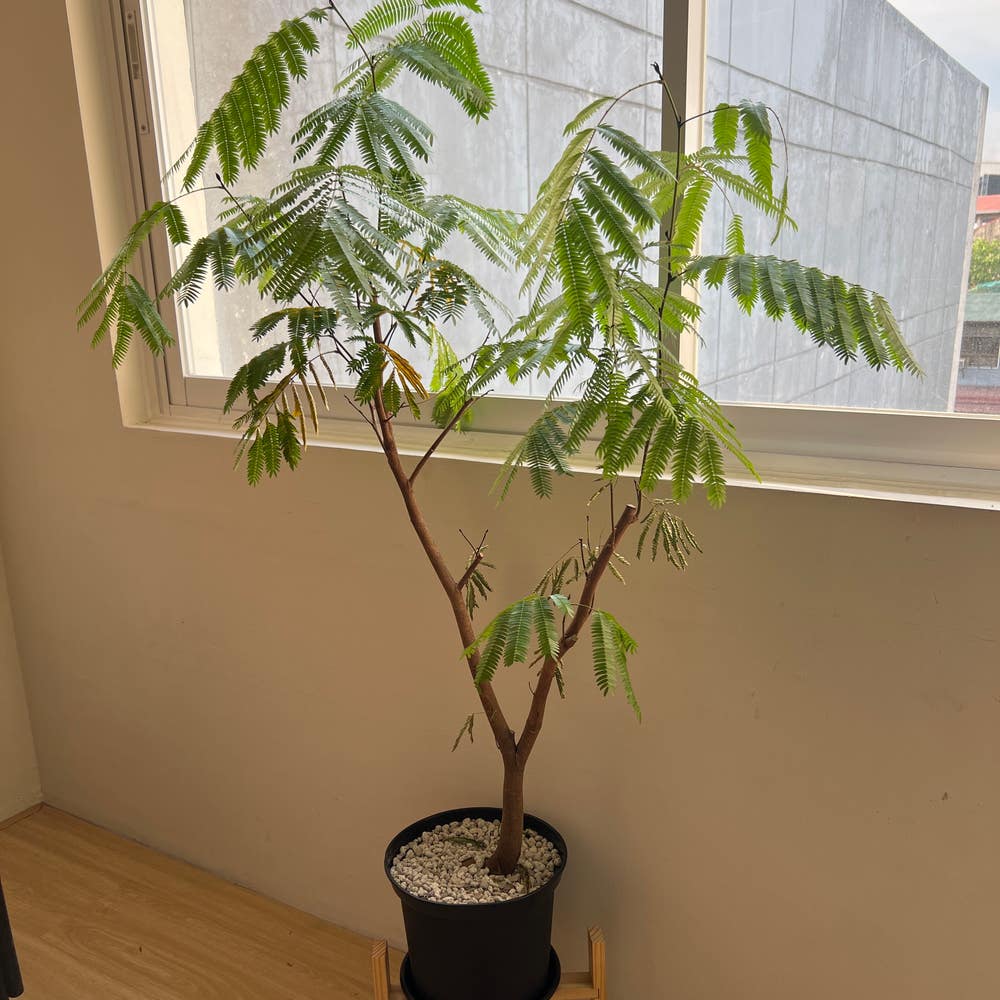
Propagating Pink Silk Tree: Step-by-Step Guide
Albizia julibrissin
By the Greg Editorial Team
Jun 18, 2024•4 min read
This article was created with the help of AI so we can cover more plants for you. May contain errors. See one? Report it here.
Propagate your own Pink Silk Tree oasis 🌸 with this fail-proof, step-by-step guide to sowing, cutting, and layering.
- Timing is key: Propagate seeds in warm temps, cuttings in early spring.
- Scarification aids germination: Boiling water or nicking helps seeds sprout.
- Aftercare is crucial: Water sparingly, ensure bright light, and stable conditions.
Sowing the Future: Seed Propagation Steps
⏰ Choosing Your Moment: Best Time for Seed Collection and Sowing
Timing is crucial when it comes to seed propagation. Harvest seeds post-bloom, before they make their grand escape to the ground. Aim for a sowing period when temperatures are consistently warm, as these conditions coax seeds from their slumber.
🌱 Seed Prep School: How to Prepare Your Seeds for the Journey Ahead
Scarification is your seed's ticket to the germination party. Briefly expose them to nearly boiling water, then let them soak in warmth for 12-24 hours. If they're playing hard to get, a gentle nick in the seedcoat might be in order—precision is key.
🌱 Germination Station: Creating the Perfect Environment for Your Seeds to Sprout
For germination, think of yourself as a seed chef—mix a well-draining soil blend with equal parts potting soil, coarse sand, and perlite. Sow seeds on the surface, then lightly cover them. Moisture is a must, but don't drown them; a spray bottle is your ally here. Keep the setup in a warm spot with indirect sunlight and wait for nature to do its thing. Remember, patience isn't just a virtue; it's a necessity.

Snip & Root: Stem Cutting Propagation
🌱 Timing is Everything: When to take stem cuttings for best results
Spring into action when the plant is in active growth. This is usually early spring, but keep an eye on your Pink Silk Tree's rhythm. Avoid the blooming period and the intense summer heat—your plant's too busy for surgery then.
✂️ Cut to the Chase: Selecting and preparing your stem cuttings
Grab your sterilized scissors or pruners. Aim for 4-6 inch cuttings, just below a leaf node. Angle the cut to maximize the area for roots to develop. Strip off the lower leaves to prevent rot, leaving a few up top for photosynthesis.
🌱 Rooting for Success: How to encourage your cuttings to take root
Rooting hormone is your cutting's pep talk. Dip the cut end before planting to spur root growth. Stick the cutting in well-draining soil and maintain consistent moisture—think of it as the Goldilocks zone, not too wet, not too dry. Patience is key; roots may take a few weeks to a couple of months to appear. Keep the faith and watch for signs of stability.

High in the Sky: Air Layering Technique
🌸 The Right Season: Picking the perfect time for air layering
Spring into action when the sap's rising and the plant's energy is surging. Early spring is your golden ticket for air layering the Pink Silk Tree. It's when the tree is most forgiving, ready to push out roots with the enthusiasm of a kid in a candy store.
📦 Layer Up: Step-by-step guide to air layering your Pink Silk Tree
Materials:
- Sharp knife or blade
- Sphagnum moss, soaked and squeezed
- Rooting hormone (optional, but it's like a growth supercharger)
- Plastic wrap, clear as your intentions
- Twine or soft wire to secure the wrap
Steps:
- Choose a branch that's just right—not too thick, not too thin.
- Make two parallel cuts around the stem and a connecting cut to remove a ring of bark. This is where you need the precision of a ninja.
- Dust the exposed wood with rooting hormone, if you're using it.
- Wrap the wound with damp sphagnum moss like you're swaddling a baby.
- Encase this mossy bundle in plastic wrap and tie it up snugly, but don't strangle it.
- Patience is your co-pilot now. Wait for roots to appear, checking the moss moisture every so often.
🎉 Independence Day: When and how to separate your new plant baby
When the roots are visible and robust enough to brave the world—usually a few months in—celebrate. Carefully cut below the new root ball and pot your Pink Silk Tree offspring. It's like moving out but with less heavy lifting.

Aftercare: Ensuring Your Propagated Plants Thrive
🌱 The First Steps: Caring for Your New Pink Silk Tree
After the thrill of propagation, aftercare is your new focus. Your Pink Silk Tree is like a newborn; it needs constant, gentle attention. Water sparingly, as overwatering is the fast track to root rot. Bright, indirect light will be its best ally, helping it grow without the harshness of direct sun. Keep the environment stable—no drastic temperature swings or breezes.
🛠 Troubleshooting Tips: Overcoming Common Hurdles
Yellow leaves? Don't panic; it could be a sign of overwatering or lack of nutrients. Adjust your watering schedule and consider a balanced fertilizer. If leaves start dropping, it might be too cold or too drafty. Find a warmer spot. Pests like aphids or spider mites can crash the party. Stay vigilant and be ready with neem oil or insecticidal soap. Remember, patience is key. Growth takes time, and your plant's resilience will often surprise you.
⚠️ Safety First
This content is for general information and may contain errors, omissions, or outdated details. It is not medical, veterinary advice, or an endorsement of therapeutic claims.
Always consult a qualified healthcare professional before using any plant as food, medicine, or supplement.
Never eat any plant (or feed one to pets) without confirming its identity with at least two trusted sources.
If you suspect poisoning, call Poison Control (800) 222-1222, the Pet Poison Helpline (800) 213-6680, or your local emergency service immediately.
Spotted an error? Please report it here.
Ace your Pink Silk Tree propagation 🌿 by leveraging Greg's timely reminders and personalized care tips to ensure your seedlings and cuttings flourish from this guide's steps.