Formosa Tree Is Considered a Weed 🌱
Albizia julibrissin
By the Greg Editorial Team
Nov 25, 2024•5 min read
This article was created with the help of AI so we can cover more plants for you. May contain errors. See one? Report it here.
Safeguard your garden and ecosystems 🌍 by mastering the identification and control of the invasive Formosa Tree! 🌱
- 🌱 Formosa Tree is an invasive weed, outcompeting native plants and reducing biodiversity.
- 🌳 Identifying the Formosa Tree is key for effective management and control efforts.
- 💰 Economic impacts include management costs and potential declines in property values.
Plant Classification
Definition of Weeds and Invasive Species 🌱
Weeds are unwanted plants that compete aggressively with cultivated plants for essential resources like sunlight, water, and nutrients. Invasive species, on the other hand, are non-native plants that spread rapidly, often causing significant ecological harm.
Criteria for Classification 📊
To classify a plant as a weed or invasive species, several criteria are considered.
- Rapid Spread: These plants can produce large quantities of seeds, allowing them to colonize new areas quickly.
- Competitive Nature: They outcompete native flora, diminishing biodiversity and altering the balance of local ecosystems.
- Ecological Impact: Invasive species can drastically change habitats, leading to disruptions in local wildlife and plant communities.
Comparison with Other Invasive Plants 🔍
The Formosa Tree shares many similarities with other notorious invasive species, such as kudzu and Japanese knotweed. Like these plants, it exhibits rapid growth and a strong ability to dominate its surroundings, making it a significant concern for land management and conservation efforts.
Understanding these classifications helps in recognizing the potential threats posed by the Formosa Tree and similar invasive species. As we delve deeper into its identification and growth habits, we can better appreciate the challenges it presents to our ecosystems.
Identification
Key Identifying Features 🌿
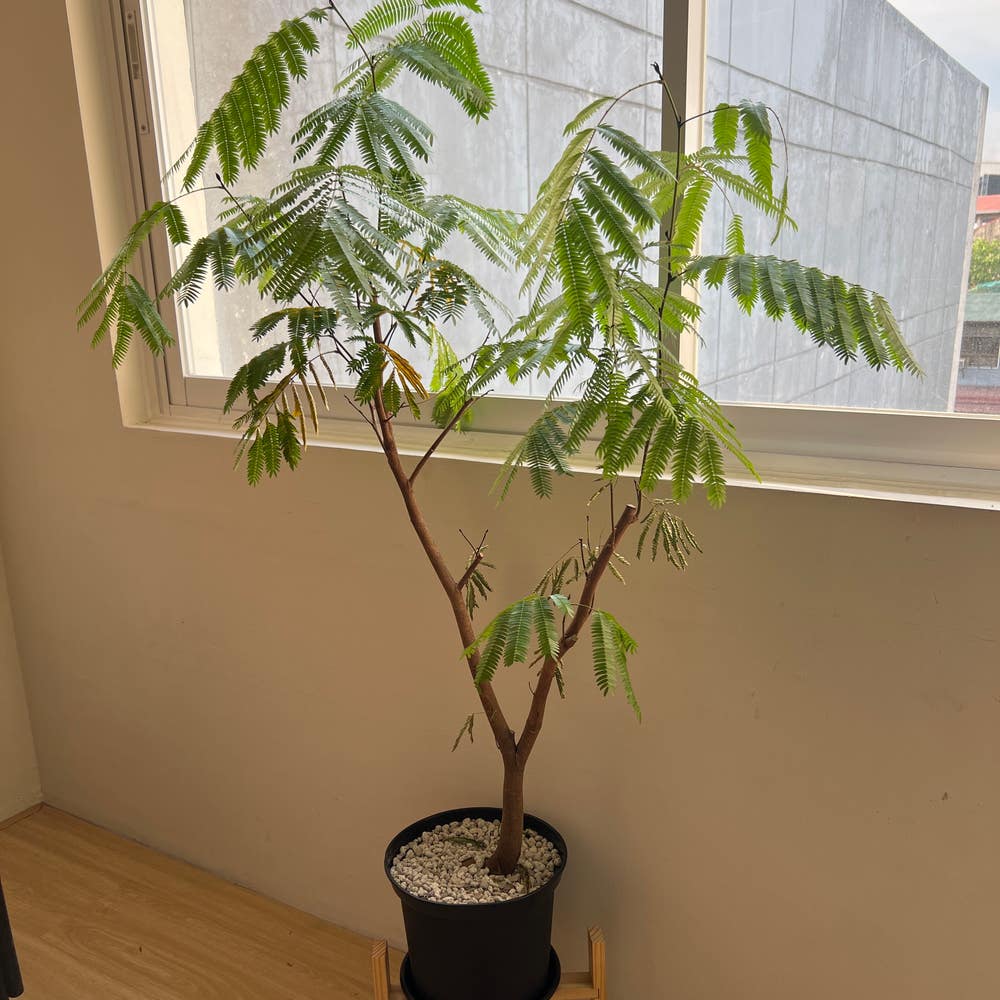
The Formosa Tree is easily recognizable due to its large, glossy leaves. These leaves are typically broad and can grow up to 10 inches long, providing a lush, vibrant appearance that stands out in any landscape.
Another striking feature is its fragrant flowers. Blooming in clusters, these flowers are usually white to pale yellow and emit a sweet scent that attracts pollinators. The flowering period typically occurs in late spring to early summer, adding to the tree's allure.
In terms of growth habit, the Formosa Tree can reach impressive heights of up to 30 feet. Its structure is often broad and spreading, creating a dense canopy that can overshadow smaller plants beneath it.
Look-Alike Plants 🌱
While the Formosa Tree is distinctive, it can be confused with several native species. For instance, the American sycamore shares a similar height and broad leaves but has a different bark texture and leaf shape.
Key differences to note include the leaf shape; Formosa Tree leaves are more oval, while look-alikes may have lobed or serrated edges. Additionally, the flower color varies; many native species do not produce the fragrant blooms characteristic of the Formosa Tree.
Understanding these differences is crucial for proper identification. By recognizing the unique features of the Formosa Tree, you can better appreciate its role in the ecosystem and the challenges it poses as an invasive species.
As we delve deeper into its growth habits and spread, we’ll explore how this tree thrives in various environments and its reproductive strategies.
Growth Habits and Spread
🌱 Typical Growth Patterns
The Formosa Tree is known for its rapid growth, often reaching heights of up to 30 feet in just a few years. This impressive growth rate allows it to quickly dominate its surroundings, making it a formidable presence in any landscape.
Its adaptability is another key feature. The Formosa Tree thrives in disturbed areas and can flourish in a variety of climates, which contributes to its widespread distribution.
🌳 Reproductive Strategies
One of the most striking aspects of the Formosa Tree is its prolific seed production. It generates large quantities of seeds that are easily dispersed by wind and water, facilitating its rapid spread across new areas.
In addition to seed production, the Formosa Tree can reproduce vegetatively. This means it can sprout from cuttings or roots, allowing it to establish itself even in challenging conditions.
Understanding these growth habits and reproductive strategies is crucial for managing the Formosa Tree's impact on local ecosystems. By recognizing how it spreads, we can better prepare for its control and management.
Ecological and Economic Impact
Effects on Native Plant Communities 🌱
The Formosa Tree is notorious for displacing native species. Its aggressive growth allows it to outcompete local flora for essential resources like sunlight, water, and nutrients.
This competition leads to significant changes in habitat structure. As native plants decline, biodiversity suffers, disrupting the delicate balance of local ecosystems.
Economic Losses 💸
The economic impact of the Formosa Tree extends beyond ecological concerns. Landowners and municipalities face substantial costs associated with management and control efforts.
In heavily infested areas, property values can plummet. This decline not only affects individual homeowners but also has broader implications for community development and local economies.
Understanding these impacts is crucial for effective management strategies. By addressing the ecological and economic challenges posed by the Formosa Tree, we can work towards restoring balance in affected areas.
Next, we will explore control and management techniques to combat this invasive species effectively.
Control and Management
Manual Removal Techniques 🌳
Effective control of the Formosa Tree starts with identifying infested areas. Look for dense clusters of these trees, especially in disturbed sites where they thrive.
To tackle this invasive species, gather essential tools: gloves, pruning shears, and shovels. These will help you safely and effectively remove the tree.
The removal process involves cutting down the tree and digging out its roots. This method ensures that the tree does not regrow from leftover root fragments.
Chemical Control Options 🧪
When manual removal isn't feasible, chemical control can be an effective alternative. Herbicides are a common choice, with glyphosate and triclopyr being recommended for their effectiveness against the Formosa Tree.
Application methods vary, but it's crucial to follow the manufacturer's instructions for best results. Always prioritize safety by wearing protective gear and considering environmental impacts when using chemicals.
Preventive Measures 🚫
Preventing the establishment of the Formosa Tree is key to managing its spread. Best practices include maintaining healthy garden ecosystems and avoiding soil disturbance that can encourage growth.
Regular monitoring is essential for early intervention. By keeping an eye on your garden, you can catch any signs of the Formosa Tree before it becomes a larger issue, ensuring your space remains vibrant and diverse.
In the next section, we will explore the ecological and economic impacts of the Formosa Tree, shedding light on why management is so crucial.
⚠️ Safety First
This content is for general information and may contain errors, omissions, or outdated details. It is not medical, veterinary advice, or an endorsement of therapeutic claims.
Always consult a qualified healthcare professional before using any plant as food, medicine, or supplement.
Never eat any plant (or feed one to pets) without confirming its identity with at least two trusted sources.
If you suspect poisoning, call Poison Control (800) 222-1222, the Pet Poison Helpline (800) 213-6680, or your local emergency service immediately.
Spotted an error? Please report it here.
Combat the invasive threat of the Formosa Tree by using Greg's powerful plant identification tool to help you recognize and manage this weed effectively! 🌿