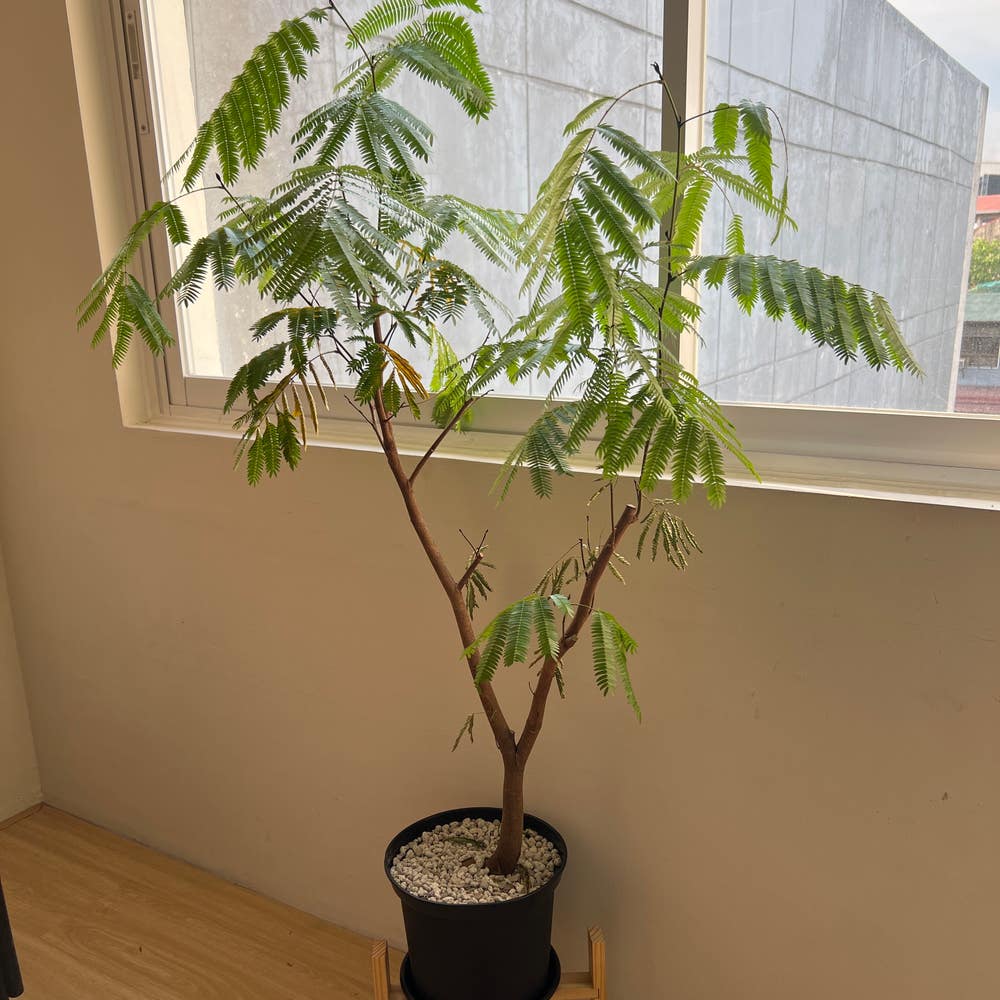
Top 5 Signs Your Formosa Tree Has Flower Problems 🌸
Albizia julibrissin
By the Greg Editorial Team
Nov 25, 2024•6 min read
This article was created with the help of AI so we can cover more plants for you. May contain errors. See one? Report it here.
Transform your Formosa tree's blooms 🌸 with essential tips to overcome common flowering challenges and thrive!
- 🌸 Lack of blooms signals flower problems; assess light and nutrients immediately.
- ☀️ Ensure 6+ hours of sunlight daily to promote healthy flowering in Formosa trees.
- 🌱 Nutritional deficiencies in phosphorus and potassium hinder blooms; fertilize accordingly.
Signs of Failure to Bloom
🌸 Identifying Lack of Flowers
One of the first signs that your Formosa tree is struggling is the absence of blooms during its expected flowering cycle. If you notice fewer flowers than in previous years, it’s a clear indication that something is amiss.
🔍 Potential Causes
Several factors can contribute to this lack of flowering.
☀️ Inadequate Light Exposure
Your tree may not be getting enough sunlight. Ideally, it should receive at least 6 hours of direct sunlight daily to thrive.
🥦 Nutritional Deficiencies
Another common issue is a lack of essential nutrients, particularly phosphorus and potassium. These nutrients are crucial for promoting healthy blooms.
🌡️ Environmental Stress
Extreme temperatures or high humidity levels can also stress your tree, leading to poor flowering. Keeping an eye on these environmental factors is essential for your tree's health.
🌱 Solutions
Fortunately, there are steps you can take to encourage blooming.
🔄 Assessing Light Conditions
Start by evaluating the light conditions where your tree is planted. If it’s not getting enough sun, consider relocating it to a sunnier spot.
⚖️ Balanced Fertilization Schedule
Implementing a balanced fertilization schedule can also make a significant difference. Focus on bloom-enhancing nutrients to give your Formosa tree the boost it needs.
By addressing these signs and potential causes, you can help your Formosa tree flourish and enjoy a vibrant display of flowers. Next, let’s explore the causes of premature flower drop and how to manage this issue effectively.
Causes of Premature Flower Drop
🌼 Recognizing Premature Flower Drop
Premature flower drop is a frustrating issue for any gardener. You might notice flowers falling off before they fully bloom, leading to a significant loss of buds and flowers.
This drop typically occurs during the early stages of flower development, leaving your Formosa tree looking bare and unfulfilled. Understanding the signs is the first step toward addressing the problem.
🔍 Potential Causes
Several factors can contribute to this premature drop.
- Environmental Stress: Sudden temperature changes or prolonged drought conditions can shock your tree, causing it to shed flowers.
- Nutritional Imbalances: An excess of nitrogen can lead to lush foliage but fewer flowers, disrupting the balance needed for healthy blooming.
- Pest Infestations: Pests like aphids or spider mites can damage buds, leading to premature drop and a decline in overall flower health.
🛠️ Solutions
Fortunately, there are effective strategies to combat premature flower drop.
- Regular Monitoring: Keep an eye on environmental conditions and adjust your care routine accordingly. This proactive approach can help mitigate stress on your tree.
- Nutrient Management: Reduce nitrogen levels in your fertilization regimen while increasing phosphorus and potassium. This shift supports better flower production.
- Pest Control Measures: Implement organic insecticides or introduce beneficial insects to manage pest populations effectively. This will protect your buds and promote healthy blooms.
By addressing these causes and implementing the right solutions, you can help your Formosa tree thrive and enjoy a vibrant display of flowers. Next, let’s explore the impact of abnormal flower development and how to identify it.
Abnormal Flower Development
Identifying Abnormalities 🌼
When your Formosa tree's flowers start to look unusual, it’s a sign that something might be off. You may notice smaller or misshapen blooms, or flowers that don’t display their typical vibrant colors.
Potential Causes 🧬
Several factors can lead to these abnormalities. Genetic variability can cause differences in flower development patterns, while nutritional deficiencies, particularly a lack of essential micronutrients, can severely impact flower quality.
Solutions 🛠️
To address these issues, start with soil testing to pinpoint any nutrient deficiencies. Once identified, amend the soil accordingly to restore balance.
Additionally, ensure consistent watering practices to support healthy growth. Proper hydration is crucial for your tree to thrive and produce beautiful blooms.
With these steps, you can help your Formosa tree regain its flowering glory. Next, let’s explore the various factors that affect flowering and how to optimize conditions for your tree.
Factors Affecting Flowering
🌞 The Role of Light in Flowering
Light is crucial for the blooming process of your Formosa tree. It requires a minimum of 6-8 hours of direct sunlight daily to thrive and produce vibrant flowers.
Insufficient light can lead to stunted growth and a disappointing lack of blooms. If your tree isn't getting enough sun, consider relocating it to a brighter spot.
🌱 Nutritional Needs for Optimal Blooming
Nutrients play a vital role in flower production. Key nutrients like phosphorus and potassium are essential for healthy blooms, while micronutrients support overall plant vitality.
Watch for signs of nutritional deficiencies, such as yellowing leaves and poor flower production. These indicators suggest it's time to reassess your fertilization strategy.
✂️ Impact of Pruning on Flower Production
Pruning can significantly influence your tree's flowering potential. The best time to prune is after flowering to avoid losing next season's buds.
Employ techniques like thinning out branches to enhance air circulation. This practice not only promotes healthier growth but also encourages more abundant flowering.
Understanding these factors can help you create the ideal conditions for your Formosa tree to flourish. Next, we’ll explore the environmental and biological stressors that can impact flowering.
Environmental and Biological Stressors
🐛 Effects of Pests on Flowering
Pests can wreak havoc on your Formosa Tree, leading to significant flower problems. Common culprits include aphids, spider mites, and scale insects, all of which can disrupt the blooming process.
Signs of pest damage are often visible. Look for distorted leaves and a noticeable reduction in flower count, which can indicate that your tree is under attack.
🌱 Soil Quality and Its Influence on Bloom Cycle
Soil quality plays a crucial role in the health of your Formosa Tree. Well-draining soil is essential to prevent root rot and promote healthy growth, ensuring that your tree can thrive and produce blooms.
To enhance soil quality, consider adding organic matter. This improves soil structure and boosts nutrient content, creating a more favorable environment for flowering.
🌦️ Weather Conditions and Flower Development
Extreme weather can significantly impact flower development. High winds, heavy rains, and drought conditions can all stress your Formosa Tree, leading to poor blooming.
It's important to make seasonal adjustments to care for your tree. Preparing it for changing weather patterns can help mitigate stress and support robust flower production.
By addressing these environmental and biological stressors, you can foster a healthier blooming cycle for your Formosa Tree. Next, we will explore the various factors affecting flowering, including light exposure and nutritional needs.
⚠️ Safety First
This content is for general information and may contain errors, omissions, or outdated details. It is not medical, veterinary advice, or an endorsement of therapeutic claims.
Always consult a qualified healthcare professional before using any plant as food, medicine, or supplement.
Never eat any plant (or feed one to pets) without confirming its identity with at least two trusted sources.
If you suspect poisoning, call Poison Control (800) 222-1222, the Pet Poison Helpline (800) 213-6680, or your local emergency service immediately.
Spotted an error? Please report it here.
Boost your Formosa tree's blooming potential 🌸 by using Greg's tailored care reminders to optimize light and nutrients for a stunning floral display!