✨ Silk Tree: Not an Annual
Albizia julibrissin
By the Greg Editorial Team
Oct 11, 2024•5 min read
This article was created with the help of AI so we can cover more plants for you. May contain errors. See one? Report it here.
Transform your garden with Silk Trees, creating a vibrant ecosystem that thrives for years! 🌳
- 🌳 Silk Trees live 20-30 years, offering long-term beauty and ecological benefits.
- 🌸 They bloom multiple times, showcasing fluffy pink flowers throughout their lifespan.
- 🌱 Silk Trees enrich soil and support diverse ecosystems with companion planting.
Genetic and Physiological Characteristics
Long-term Lifecycle 🌳
Silk Trees typically have a lifespan of 20 to 30 years, with some specimens living even longer. They exhibit seasonal behavior, entering dormancy during winter and actively growing in spring and summer.
Growth Patterns 📏
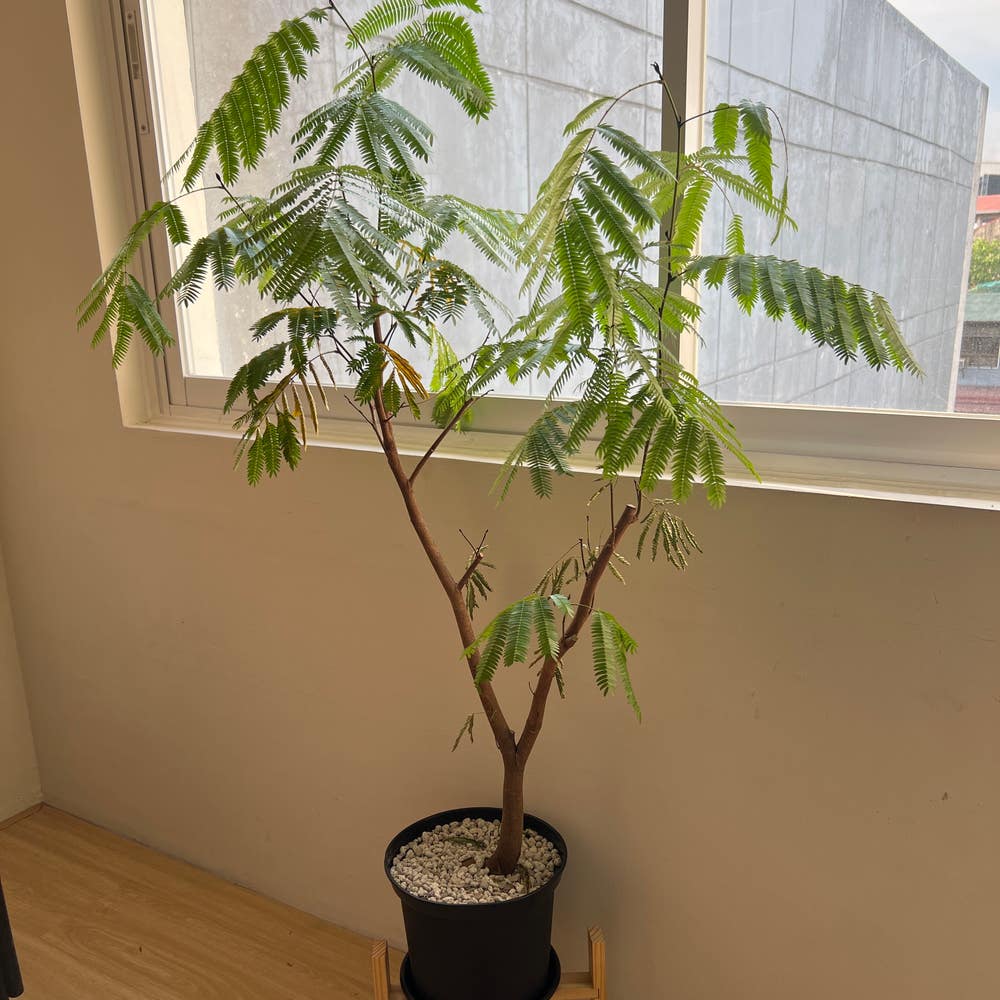
These trees can reach impressive heights of 20 to 40 feet, showcasing a broad, spreading canopy. Their feathery, fern-like leaves not only enhance their aesthetic appeal but also contribute to their unique charm in any landscape.
Reproductive Strategies 🌸
In summer, Silk Trees burst into bloom with large, fluffy pink flowers that attract pollinators. Their seed pods can remain on the tree for extended periods, aiding in reproduction and ensuring a steady supply of seeds.
Additionally, Silk Trees are nitrogen-fixers, enhancing soil fertility. This ability supports their growth and benefits neighboring plants, creating a thriving ecosystem in your garden.
With these fascinating genetic and physiological traits, Silk Trees stand out as resilient and beautiful additions to any landscape. Next, we’ll explore how their lifecycle compares to true annuals, highlighting the unique advantages of their perennial nature.
Lifecycle Comparison
Differences from True Annuals 🌱
Silk Trees stand out from true annuals in their growth cycle. While annuals complete their lifecycle in just one season, Silk Trees continue to thrive and flower over multiple seasons.
Annuals typically produce seeds only once, but Silk Trees can generate seeds annually. This ability allows them to contribute to the ecosystem year after year, enhancing biodiversity in your garden.
Implications of Perennial Lifecycle 🌼
The perennial nature of Silk Trees leads to an extended flowering period. They can bloom multiple times throughout their lifespan, offering a continuous display of beauty.
Their growth patterns are also more robust compared to the fleeting nature of annuals. This established growth not only enhances the garden's aesthetics but also supports a healthier ecosystem over time.
In summary, understanding the lifecycle of Silk Trees compared to annuals reveals their unique advantages. Their longevity and repeated flowering make them a valuable addition to any garden. Next, let’s explore the regional variations and common misconceptions surrounding these remarkable trees.
Regional Variations and Misconceptions
🌨️ Conditions Leading to Misclassification
In colder climates, the Silk Tree can be sensitive to frost, often dying back during winter. This behavior can mislead gardeners into thinking it’s an annual plant, as they may not see it return in spring.
Additionally, its seasonal dormancy can confuse those unfamiliar with its lifecycle. Gardeners might mistakenly treat it as an annual due to the lack of visible growth during the colder months.
🌍 Exceptions in Different Climates
On the flip side, in warmer regions, the Silk Tree truly shines. It thrives and showcases its perennial nature, growing robustly and flowering multiple times throughout the season.
Moreover, varietal differences can also play a role. Some Silk Tree varieties adapt their growth patterns based on local climate conditions, further emphasizing the importance of understanding your specific environment when planting.
As we explore the implications of its perennial lifecycle, it's essential to recognize how these regional variations can influence your gardening experience.
Garden Design and Planting Strategies
Advantages in Perennial Gardening 🌳
Silk Trees are a fantastic long-term investment for any garden. Once established, they offer years of stunning beauty and ecological benefits.
Their unique foliage and fluffy pink flowers not only catch the eye but also enhance the overall garden design. Imagine a vibrant landscape where these trees stand tall, creating a lush backdrop for other plants.
Tips for Integration 🌱
To maximize the benefits of your Silk Tree, consider companion planting. Pairing it with other perennials can create a diverse ecosystem that thrives together.
Strategic placement is also key. Think about the tree's height and broad canopy spread when planning your garden layout. This ensures that all plants receive adequate sunlight and space to flourish.
By thoughtfully integrating Silk Trees into your garden, you can create a vibrant, sustainable environment that delights the senses. Next, let’s explore the best practices for managing these beautiful perennials to ensure their longevity and health.
Management and Longevity
Best Practices for Perennial Management 🌱
Pruning is essential for maintaining the health and beauty of your Silk Tree. Regular trimming encourages robust growth and abundant flowering, ensuring your tree remains a stunning focal point in your garden.
Soil health is another critical factor. The Silk Tree's nitrogen-fixing ability enriches the soil, benefiting not just itself but also neighboring plants. This natural enhancement promotes a thriving ecosystem in your garden.
Tips for Maximizing Longevity 💧
Watering is vital, especially during dry spells. Consistent moisture helps your Silk Tree flourish, preventing stress that could hinder its growth.
Keep an eye out for pests and diseases. Early intervention is key to maintaining plant health and ensuring your Silk Tree continues to thrive for years to come.
By following these management practices, you can enjoy the beauty and ecological benefits of your Silk Tree for decades. Transitioning to the next topic, let’s explore how to integrate this magnificent tree into your garden design effectively.
⚠️ Safety First
This content is for general information and may contain errors, omissions, or outdated details. It is not medical, veterinary advice, or an endorsement of therapeutic claims.
Always consult a qualified healthcare professional before using any plant as food, medicine, or supplement.
Never eat any plant (or feed one to pets) without confirming its identity with at least two trusted sources.
If you suspect poisoning, call Poison Control (800) 222-1222, the Pet Poison Helpline (800) 213-6680, or your local emergency service immediately.
Spotted an error? Please report it here.
Transform your garden with the timeless beauty of Silk Trees 🌸—let Greg guide you with tailored care tips and reminders to keep them thriving for years to come!