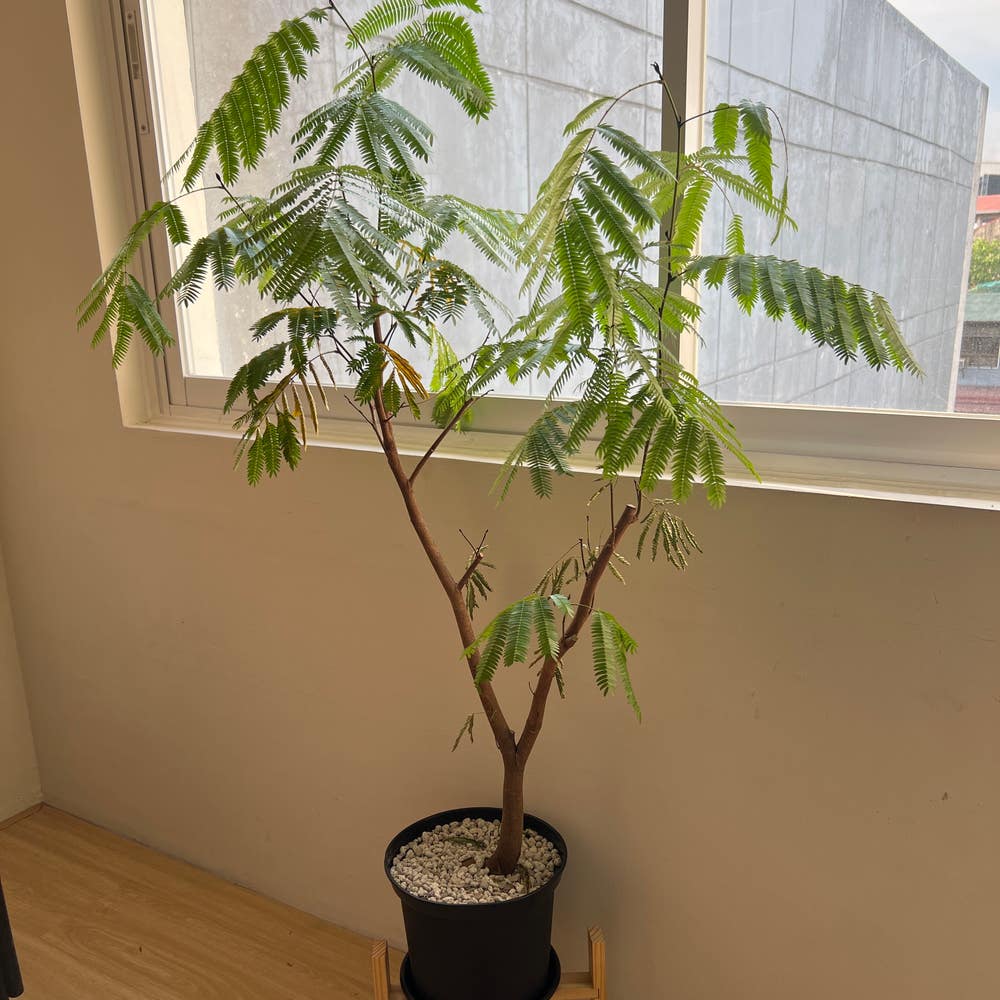
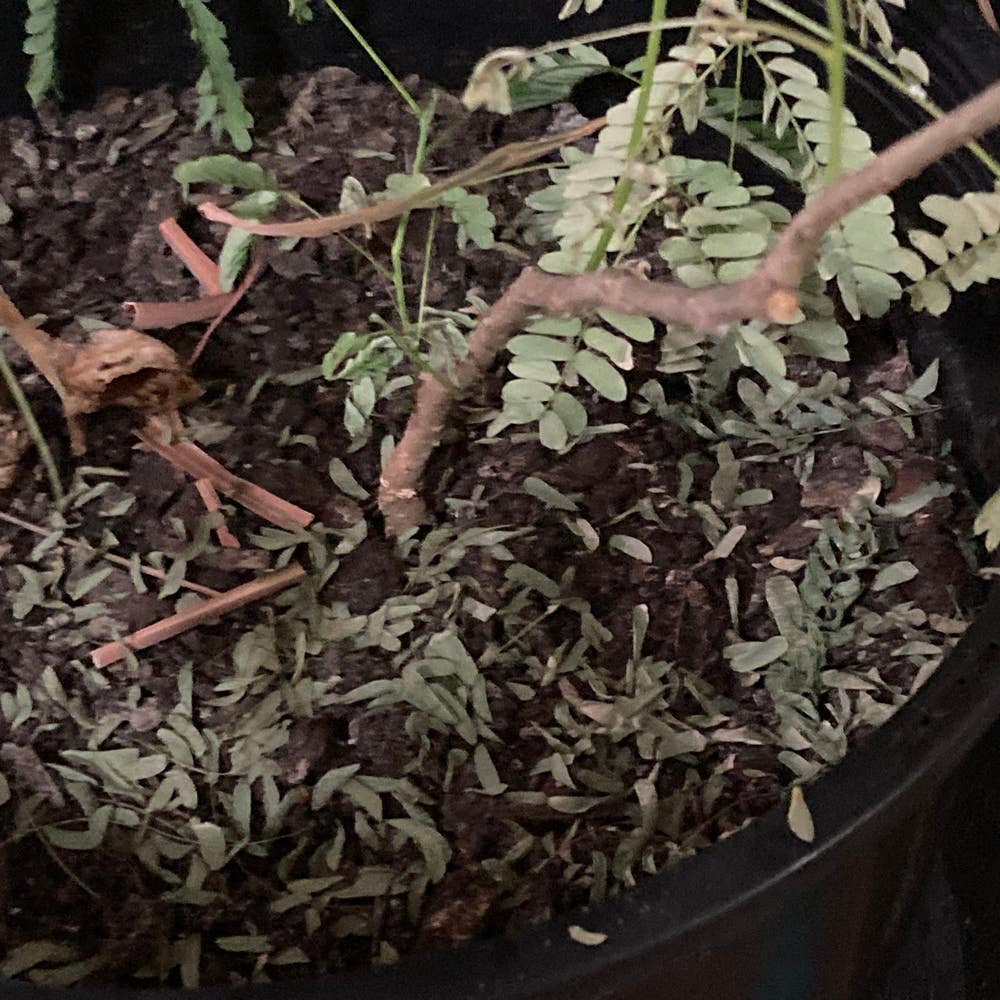
🔍 Ultimate Guide to Fixing Black Spots on Silk Tree
Albizia julibrissin
By the Greg Editorial Team
Oct 11, 2024•4 min read
This article was created with the help of AI so we can cover more plants for you. May contain errors. See one? Report it here.
Revive your Silk Tree's health 🌱 by learning to diagnose and treat pesky black spots effectively!
- 🌱 Inspect your Silk Tree regularly for black spots and pests to catch issues early.
- 💧 Monitor watering practices closely; both overwatering and underwatering cause black spots.
- 🌬️ Improve air circulation and use fungicides to combat fungal infections effectively.
Diagnosing Black Spots
🔍 Visual Inspection Techniques
Start by examining the leaves closely. Check both sides for any spots, discoloration, or pests that could be affecting your Silk Tree.
Next, assess the overall health of the plant. Look for growth patterns and any signs of leaf drop, which can indicate underlying issues.
🌤️ Assessing Environmental Factors
Evaluate the light conditions your Silk Tree is receiving. It thrives in full sun to partial shade, so ensure it's getting the right amount of light.
Soil moisture is another critical factor. Test for signs of overwatering or underwatering, as both can lead to black spots.
Don't overlook soil composition. Well-draining soil is essential for maintaining the health of your Silk Tree.
🐜 Identifying Pest Infestations
Common pests like aphids and spider mites can wreak havoc on leaf health. Be vigilant in spotting these nuisances early.
Look for signs of infestation, such as webbing, sticky residue, or visible insects on the leaves. Catching these issues early can save your plant from further damage.
By thoroughly diagnosing the problem, you set the stage for effective treatment and prevention strategies. Next, we’ll explore how to treat those pesky black spots effectively.
Treating Black Spots
Step-by-Step Treatment for Fungal Infections 🌱
Dealing with fungal infections on your Silk Tree can be straightforward. Start by removing affected leaves; prune out any severely infected foliage to prevent the spread.
Next, improve air circulation around your plants. Space them out to reduce humidity, which is a breeding ground for fungi.
Finally, adjust your watering practices. Ensure the soil dries out between waterings to create an environment less conducive to fungal growth.
Recommended Fungicides and Organic Treatments 🧪
When it comes to treating fungal infections, you have options. For chemical solutions, look for specific fungicides that target the pathogens affecting your Silk Tree.
If you prefer organic alternatives, consider using Neem oil or baking soda solutions. Both are effective and can be applied easily; just follow the instructions on the packaging for best results.
Home Remedies for Leaf Spot Issues 🏡
You can also try some home remedies to tackle leaf spots. A milk spray can be effective; mix one part milk with two parts water and spray it on the affected areas weekly.
Another option is to use garlic or pepper sprays. To prepare, blend a few cloves of garlic or a couple of hot peppers with water, strain the mixture, and spray it on your plants. This can deter pests and help with leaf spot issues.
By implementing these treatments, you can restore your Silk Tree's health and keep those pesky black spots at bay.
As you move forward, remember that prevention is key. Let's explore how to maintain your Silk Tree to avoid future problems.
Preventing Black Spots
🌳 Best Practices for Silk Tree Care
Regular pruning is essential for maintaining the structure and health of your Silk Tree. By removing dead or overcrowded branches, you promote better air circulation and reduce the risk of fungal infections.
A consistent fertilization schedule is also crucial. Use a balanced fertilizer that provides essential nutrients, ensuring your tree grows strong and resilient against diseases.
💧 Importance of Proper Watering and Drainage
Understanding watering techniques can make a significant difference. Deep watering encourages roots to grow deeper, while surface watering may lead to shallow root systems and increased vulnerability.
Proper drainage is equally important. Amending your soil with organic matter can enhance water flow, preventing waterlogged conditions that contribute to black spots.
🍂 Seasonal Care Tips to Avoid Black Spots
Spring is the perfect time for preemptive measures. Inspect your tree for any signs of stress and apply necessary treatments before the growing season kicks in.
As fall approaches, focus on preparing your Silk Tree for winter. This includes pruning and ensuring it has adequate protection from harsh weather, which can help prevent stress-related issues like black spots.
By following these practices, you can significantly reduce the likelihood of black spots on your Silk Tree. Next, let’s explore how to monitor and maintain your tree for ongoing health.
Monitoring and Maintenance
Regular Inspection Routines 🌱
To keep your Silk Tree healthy, conduct weekly inspections during the growing season. Look for new black spots, signs of pests, or any environmental stress indicators.
Signs of Recovery and Ongoing Care 🌿
As your plant begins to recover, you'll notice new growth and reduced spotting. Adjust your care practices based on its recovery status to ensure continued health.
When to Seek Professional Help 🆘
If you encounter persistent issues that don’t improve, it may be time to seek expert intervention. Look for certified arborists or plant specialists in your area to get tailored advice and assistance.
Monitoring your Silk Tree regularly and recognizing signs of recovery will help you maintain its beauty and health. With the right care, your tree can thrive and bring joy to your garden.
⚠️ Safety First
This content is for general information and may contain errors, omissions, or outdated details. It is not medical, veterinary advice, or an endorsement of therapeutic claims.
Always consult a qualified healthcare professional before using any plant as food, medicine, or supplement.
Never eat any plant (or feed one to pets) without confirming its identity with at least two trusted sources.
If you suspect poisoning, call Poison Control (800) 222-1222, the Pet Poison Helpline (800) 213-6680, or your local emergency service immediately.
Spotted an error? Please report it here.
Keep your Silk Tree thriving and free of black spots with Greg's tailored reminders 🌱 for watering and pest control, ensuring you have everything you need for lush growth!