🌳 8 Key Phases of Silk Tree Development
Albizia julibrissin
By the Greg Editorial Team
Oct 11, 2024•5 min read
This article was created with the help of AI so we can cover more plants for you. May contain errors. See one? Report it here.
Cultivate a stunning silk tree 🌳 from seed to bloom with this essential guide to its life cycle!
- 🌱 Germination takes 7-14 days in optimal conditions; ideal temperature is 20-30°C.
- 🌞 Silk trees need full sun for rapid growth, reaching 10-15 feet in 1-3 years.
- 🐝🌸 Flowering peaks from May to July, attracting pollinators with feathery pink blooms.
Germination Phase
🌱 Duration of Germination
The germination phase is a crucial first step in the life of a silk tree. Under optimal conditions, expect the seeds to sprout within 7 to 14 days.
🌟 Conditions for Successful Germination
To ensure successful germination, several factors must align perfectly.
Temperature
Maintain a temperature range of 20°C to 30°C (68°F to 86°F) for the best results.
Soil Type
Use well-draining sandy loam with a pH between 6.0 and 7.5. This soil composition provides the right nutrients and drainage.
Moisture
Keep the soil consistently moist but avoid waterlogging. Too much water can drown the seeds.
Light
Provide indirect sunlight to prevent overheating. Direct sunlight can be too harsh for young seeds.
By carefully managing these conditions, you set the stage for healthy growth in the next phases of development. Understanding the germination phase is essential for nurturing a thriving silk tree.
Seedling Stage
🌱 Characteristics of Seedlings
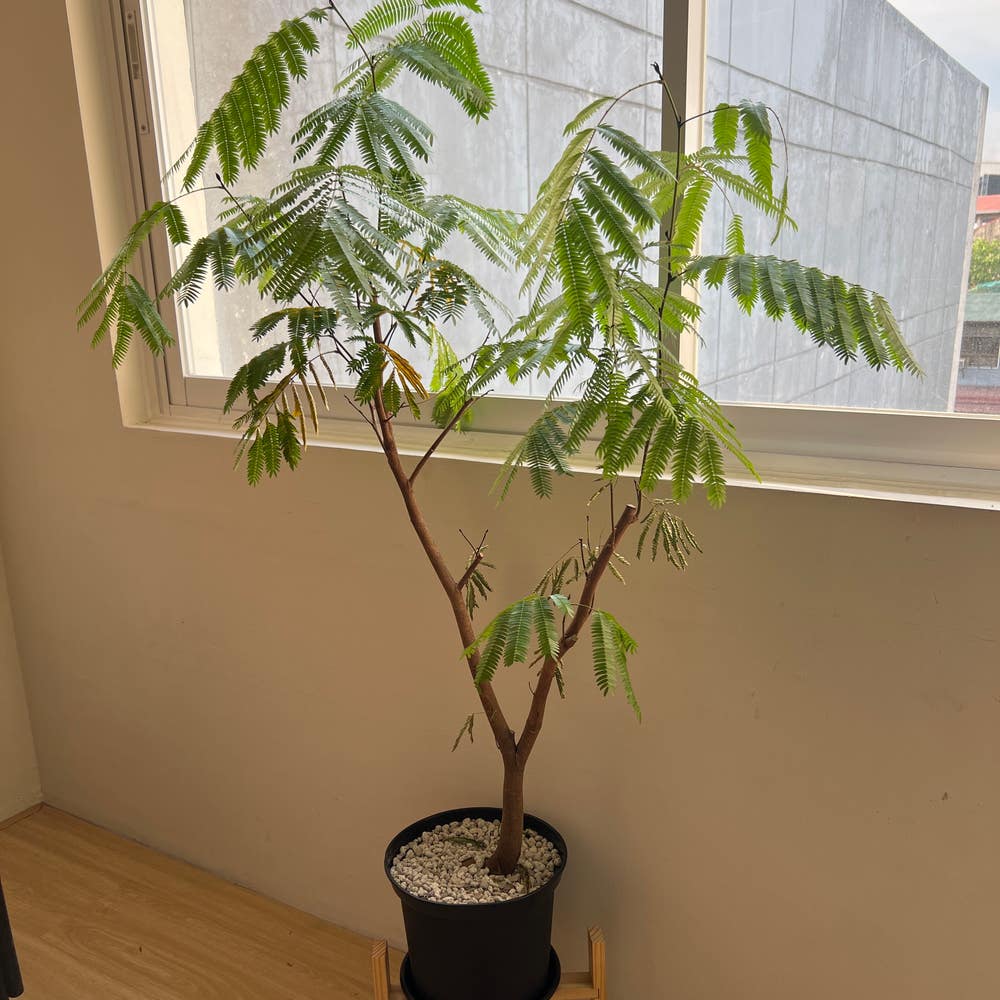
During the seedling stage, silk trees exhibit small, delicate leaves that resemble ferns. By the end of this phase, they typically reach a height of 6-12 inches, showcasing their initial growth.
⏳ Duration and Care During This Phase
This stage lasts approximately 3-6 months, requiring attentive care. Ensure consistent moisture and protection from harsh conditions to support healthy development.
As the seedlings grow, they lay the foundation for the vibrant trees they will become. With proper nurturing, these young plants will transition smoothly into the next phase of their life cycle.
Vegetative Growth
🌱 Growth Patterns and Duration
The vegetative growth phase of the silk tree lasts between 1 to 3 years, influenced by environmental conditions. During this time, the tree experiences rapid growth, often reaching impressive heights of 10 to 15 feet.
🌍 Environmental Needs During Vegetative Growth
To thrive, silk trees require rich, well-draining soil that supports their vigorous growth. Regular watering is essential, particularly during dry spells, to keep the tree hydrated.
☀️ Sunlight Requirements
Full sun exposure is crucial for optimal growth. Silk trees flourish when they receive plenty of sunlight, which fuels their rapid development.
📝 Key Takeaways
- Duration: 1-3 years.
- Height: 10-15 feet within the first few years.
- Soil: Rich and well-draining.
- Water: Regular, especially in dry conditions.
- Sunlight: Full sun for best results.
As the silk tree progresses through this phase, it sets the stage for the next exciting chapter: the flowering phase. Here, the tree will showcase its stunning blooms, attracting pollinators and adding beauty to its surroundings.
Flowering Phase
Timing of Flowering 🌸
Flowering in silk trees typically occurs from late spring to early summer, specifically between May and July. This timing aligns with warmer weather, making it an exciting period for both the tree and its admirers.
Characteristics of Flowers 🌼
The flowers of the silk tree are truly a sight to behold. They are feathery and pink, creating a stunning visual display that attracts various pollinators, including bees and butterflies.
The flowering duration is impressive as well; it lasts for several weeks, with peak bloom occurring over a span of 2 to 4 weeks. This vibrant phase not only enhances the tree's beauty but also plays a crucial role in its reproductive cycle.
As you observe these flowers, take a moment to appreciate their role in the ecosystem. They not only beautify the landscape but also support local wildlife, making the flowering phase a vital part of the silk tree's life cycle.
This phase sets the stage for the next crucial step: seed production. Understanding how these flowers transition into seeds is essential for anyone interested in cultivating silk trees.
Seed Production
Process of Seed Formation 🌼
Seed production in silk trees is a fascinating process primarily driven by pollination. Bees and other insects play a crucial role, transferring pollen from flower to flower, which leads to the formation of seed pods.
Once pollination occurs, the flowers give way to long, flat pods that develop and mature over time. These pods are essential as they contain the seeds that will eventually grow into new trees.
Duration and Conditions for Seed Production ⏳
The journey from flower to seed takes time, typically around 2-3 months after flowering. During this period, the silk tree requires warm temperatures and consistent moisture to ensure successful seed development.
These conditions are vital for the seeds to thrive and eventually sprout into new life. Understanding this phase is key to appreciating the full life cycle of the silk tree.
As we explore the next phase, we’ll delve into the maturation and lifespan of these remarkable trees, highlighting their growth and environmental impact.
Maturation and Lifespan
🌳 Overall Lifespan of Silk Tree
The average lifespan of a silk tree is around 30 years. Under ideal conditions, some specimens can live even longer, showcasing their resilience and adaptability.
⏳ Factors Affecting Maturation Time
Several factors influence how quickly a silk tree matures.
- Environmental Conditions: Soil quality, water availability, and sunlight exposure play crucial roles in growth rates.
- Genetic Factors: Individual trees may exhibit variability in growth, impacting their maturation time.
🔄 Notable Changes Throughout the Life Cycle
As the silk tree matures, it undergoes significant transformations.
- From Seedling to Mature Tree: The transition from a small seedling to a broad-canopied tree is remarkable.
- Distinctive Features: You'll notice the development of fern-like leaves and feathery flowers that add to its charm.
- Soil Enrichment: One of the tree's unique abilities is fixing nitrogen in the soil, which enhances soil quality over time.
These changes not only highlight the beauty of the silk tree but also its ecological contributions. Understanding these phases can deepen your appreciation for this remarkable species.
Next, we’ll explore the fascinating process of seed production, where the cycle of life continues.
⚠️ Safety First
This content is for general information and may contain errors, omissions, or outdated details. It is not medical, veterinary advice, or an endorsement of therapeutic claims.
Always consult a qualified healthcare professional before using any plant as food, medicine, or supplement.
Never eat any plant (or feed one to pets) without confirming its identity with at least two trusted sources.
If you suspect poisoning, call Poison Control (800) 222-1222, the Pet Poison Helpline (800) 213-6680, or your local emergency service immediately.
Spotted an error? Please report it here.
Master the 8 phases of silk tree growth 🌱 with Greg's tailored watering reminders and care tips, ensuring your tree flourishes beautifully from seed to bloom!