Controlling Silk Tree Height and Width
Albizia julibrissin
By the Greg Editorial Team
Oct 11, 2024•5 min read
This article was created with the help of AI so we can cover more plants for you. May contain errors. See one? Report it here.
Elevate your garden's beauty 🌳 by mastering silk tree growth and care for a stunning landscape transformation!
- 🌳 Silk trees can grow 20-40 feet tall; choose varieties based on your space.
- ☀️ Full sunlight and quality soil are essential for optimal growth and size.
- ✂️ Regular pruning and care help control height and maintain tree health.
Mature Height and Spread
Typical Dimensions 🌳
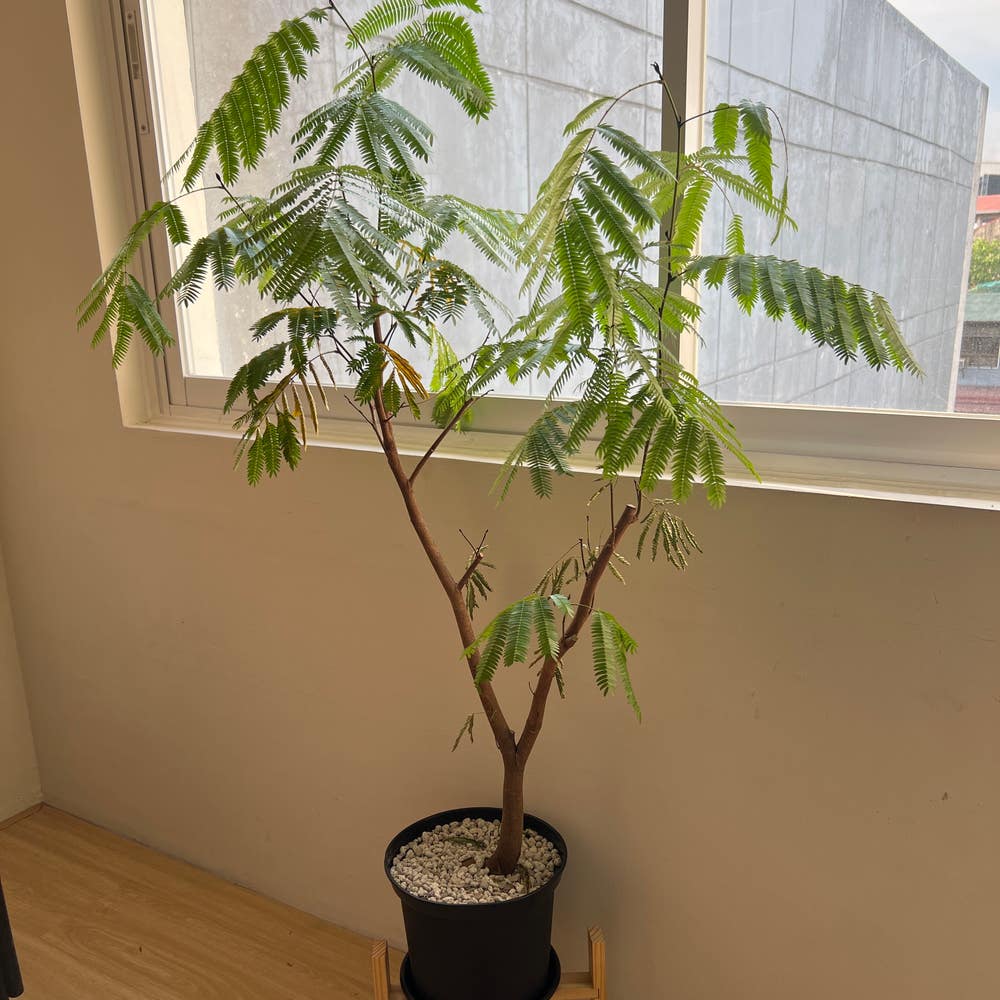
Silk trees, known for their stunning beauty, typically reach a mature height of 20 to 40 feet. Their spread can range from 20 to 35 feet, making them a striking addition to any landscape.
Factors Influencing Size 📏
The size of a silk tree can vary significantly based on several growing conditions. Factors such as soil quality, sunlight exposure, and watering practices play crucial roles in determining how tall and wide these trees will grow.
Soil Quality
For instance, silk trees planted in nutrient-rich, loamy soil often flourish, reaching their maximum dimensions. In contrast, those in sandy or poorly drained soils may struggle to achieve their full potential.
Sunlight Exposure
Sunlight is another critical factor. Trees basking in full sun typically grow taller and wider than those shaded by nearby structures or other trees.
Watering Practices
Consistent watering is essential for optimal growth. Trees that receive adequate moisture thrive, while those subjected to drought conditions may remain stunted and unhealthy.
Understanding these factors can help you create the ideal environment for your silk tree, ensuring it reaches its full glory. Next, we'll explore the growth rate and the time it takes for these magnificent trees to reach their mature size.
Growth Rate and Time to Reach Full Size
🌱 Growth Rate
Silk trees are known for their rapid growth when conditions are just right. Typically, they can reach their full size in about 10 to 15 years.
🌍 Influencing Factors
Several environmental factors can influence how quickly a silk tree grows. Temperature, humidity, and soil fertility all play crucial roles in determining growth rates.
☀️ Climate Comparisons
In warmer climates, silk trees often thrive and grow faster. Conversely, in cooler regions, their growth may slow down significantly, affecting overall size.
Understanding these dynamics can help you create the best environment for your silk tree, ensuring it reaches its full potential. With the right care, you can enjoy the beauty of this magnificent tree in no time.
Size Variability Based on Environmental Conditions
🌱 Soil Conditions
The type of soil plays a crucial role in the growth of silk trees. Sandy soils drain quickly but may lack nutrients, while loamy soils offer a balanced mix, promoting healthy growth.
Clay soils, on the other hand, retain moisture but can become compacted, hindering root development. Nutrient availability directly affects the tree's dimensions, with richer soils yielding taller and wider trees.
☀️ Sunlight and Shade Effects
Silk trees thrive in full sun, which encourages robust growth. However, partial shade can limit their height and spread, especially if they are overshadowed by nearby structures or other trees.
The amount of sunlight directly influences flowering and overall health, making it essential to consider surrounding elements when planting.
💧 Watering Practices
Consistent watering is vital for optimal growth in silk trees. Regular moisture helps establish strong roots and supports healthy foliage.
Conversely, drought conditions can stunt growth and lead to smaller, less vigorous trees. Ensuring adequate water supply is key to maintaining their size and health.
Understanding these environmental factors can help you cultivate a thriving silk tree that meets your space and aesthetic needs. Next, let’s explore the various silk tree varieties available.
Varieties
Dwarf Varieties 🌱
Dwarf varieties, like 'Summer Chocolate,' are perfect for those who want the beauty of a silk tree without overwhelming their space. These charming trees typically reach a mature height of just 10-15 feet, making them ideal for smaller gardens or patios.
To thrive, dwarf varieties need well-drained soil and plenty of sunlight. They flourish best in full sun but can tolerate some partial shade, allowing for flexibility in garden design.
Giant Varieties 🌳
On the other end of the spectrum, giant varieties of silk trees can soar to heights exceeding 40 feet. These majestic trees make a bold statement in any landscape, but they require ample space to grow.
When considering giant varieties, think about their environmental needs. They thrive in open areas where they can receive full sunlight and have room to spread their branches wide. Proper planning is essential to accommodate their impressive size and ensure they don’t overshadow nearby plants.
With a clear understanding of both dwarf and giant varieties, you can choose the perfect silk tree to fit your garden's unique needs. Next, let’s explore how to effectively control the size of these stunning trees.
Controlling Size
✂️ Pruning Techniques for Size Control
To manage the size of your silk tree, effective pruning is essential. There are three main types of pruning: formative, maintenance, and corrective.
- Formative Pruning: This is done when the tree is young to shape its growth and establish a strong structure.
- Maintenance Pruning: Regularly removing dead or diseased branches keeps the tree healthy and encourages new growth.
- Corrective Pruning: This addresses any structural issues that may arise as the tree matures.
For effective pruning, use sharp, clean tools like bypass pruners or loppers. This ensures clean cuts that promote healing and reduce the risk of disease.
⏰ Timing and Frequency of Pruning
The best time to prune your silk tree is during late winter to early spring. This timing allows the tree to recover quickly as it enters its growing season.
Aim to prune annually to maintain your desired size. Regular attention helps prevent overgrowth and keeps your tree looking its best.
🌱 Other Methods to Manage Growth
In addition to pruning, consider root pruning techniques to limit the height and spread of your silk tree. This involves cutting back the roots to control growth and encourage a more compact form.
You can also explore the use of growth regulators. These substances can effectively slow down growth, allowing for easier management of your tree's size.
By combining these methods, you can maintain a silk tree that fits beautifully within your landscape while ensuring its health and vitality.
Next, let’s explore the fascinating varieties of silk trees, including dwarf and giant options.
⚠️ Safety First
This content is for general information and may contain errors, omissions, or outdated details. It is not medical, veterinary advice, or an endorsement of therapeutic claims.
Always consult a qualified healthcare professional before using any plant as food, medicine, or supplement.
Never eat any plant (or feed one to pets) without confirming its identity with at least two trusted sources.
If you suspect poisoning, call Poison Control (800) 222-1222, the Pet Poison Helpline (800) 213-6680, or your local emergency service immediately.
Spotted an error? Please report it here.
Control your silk tree's growth and maximize its beauty 🌿 with Greg's tailored care reminders that ensure it thrives in the perfect conditions for your garden!