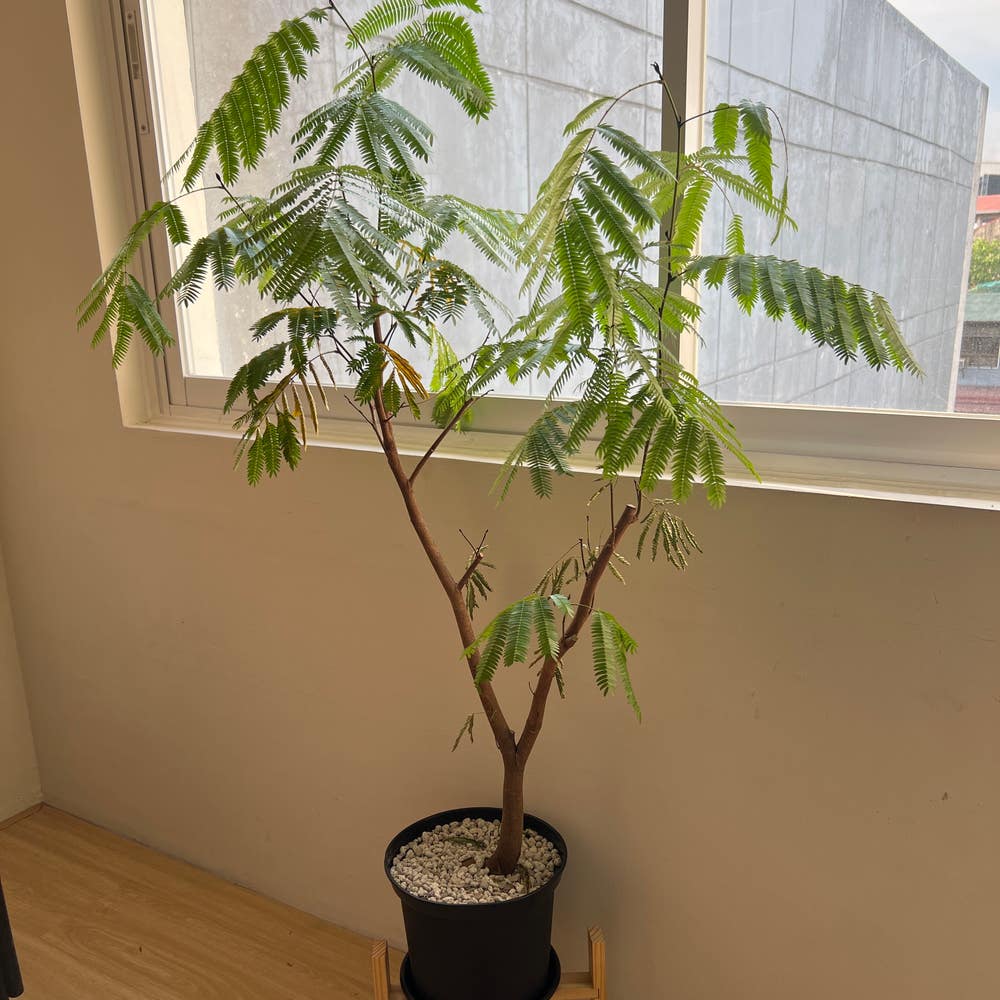
🌸 Where Can Mimosa Tree Grow? Zones 6a-9b
Albizia julibrissin
By the Greg Editorial Team
Oct 09, 2024•4 min read
This article was created with the help of AI so we can cover more plants for you. May contain errors. See one? Report it here.
Master the temperature secrets 🌡️ for thriving Mimosa trees and unlock their full growth potential in your garden!
- 🌳 Mimosa trees thrive in USDA zones 6a-9b, tolerating temperatures from 0°F to 100°F.
- ☀️ Full sun and well-drained soil are essential for optimal growth and flowering.
- 🌊 Coastal areas and urban heat islands create favorable conditions for Mimosa cultivation.
Temperature Tolerance of Mimosa Tree
❄️ Cold Tolerance
Mimosa trees can withstand minimum temperatures down to 0°F (-18°C), making them suitable for USDA zone 6a. However, they are sensitive to early spring frost, which can negatively impact their flowering and overall health.
☀️ Heat Tolerance
On the flip side, these trees thrive in heat, tolerating temperatures up to 100°F (38°C). Prolonged exposure to high temperatures can stress the tree, potentially affecting its growth and flowering.
🌡️ Impact of Temperature Extremes
Sudden temperature fluctuations can pose a risk to the health of the Mimosa tree. Acclimatization to local temperature extremes is crucial for maintaining its vitality and resilience.
Understanding these temperature tolerances is essential for successful cultivation, especially in varying climates. As we explore ideal growing regions next, consider how these temperature factors play a role in the tree's overall success.
Ideal Growing Regions
🌳 Suitable US States
Mimosa trees thrive in several states across the southern United States. Notable states include North Carolina, South Carolina, Georgia, Alabama, Texas, and Florida.
In North Carolina, the coastal and central regions provide ideal conditions. South Carolina's low country and Georgia's warm climate also support robust growth. Alabama, Texas, and Florida offer similar advantages, with specific areas like the Gulf Coast being particularly favorable.
🌱 Contributing Factors
Soil quality plays a crucial role in the health of the Mimosa tree. Well-drained soils are essential, as they prevent root rot and promote healthy growth.
Additionally, these trees require full sun exposure for optimal development. Without adequate sunlight, their growth can be stunted, affecting flowering and overall vitality.
☁️ Regional Climate Variability
The climate conditions across states in zones 6a-9b can vary significantly. For instance, coastal areas may experience milder winters compared to inland regions.
Local ecosystems also influence how well Mimosa trees adapt. Factors like humidity, rainfall, and even neighboring plant life can impact their growth patterns and health. Understanding these nuances can help gardeners choose the best locations for planting.
Microclimates and Their Effects
🌍 Definition and Creation
Microclimates are localized climate conditions that differ from the surrounding areas. They can be influenced by various factors, including topography, proximity to water bodies, and urban development.
🌱 Extending Growing Range
Microclimates can significantly expand the growing range of plants like the Mimosa Tree. These unique environments allow for growth outside typical hardiness zones, providing opportunities for thriving in less-than-ideal conditions.
🌆 Beneficial Microclimates
Urban areas often create heat islands, where temperatures are elevated due to human activity. This increased warmth can support the growth of Mimosa Trees, making cities surprisingly suitable for their cultivation.
Coastal regions also offer milder winters, providing a protective buffer against frost. These environments can be particularly advantageous for Mimosa Trees, allowing them to flourish where they might otherwise struggle.
Understanding microclimates is essential for maximizing the potential of Mimosa Trees in various settings. By recognizing these localized conditions, gardeners can make informed decisions about planting and care, ensuring vibrant growth and health.
As we explore the state-level suitability for Mimosa Trees, consider how these microclimates might influence your gardening choices.
State-Level Suitability Analysis
🌳 Suitable States
Mimosa trees thrive in several states, particularly North Carolina, South Carolina, Georgia, Alabama, Texas, and Florida. These regions offer the warm temperatures and well-drained soils that are essential for the tree's growth.
In these states, the climate typically features mild winters and long growing seasons, allowing the Mimosa tree to flourish. The combination of ample sunlight and suitable soil conditions creates an ideal environment for this beautiful tree.
❄️ Unsuitable States
On the flip side, states like Maine, North Dakota, and Montana fall into USDA zones below 6a. These areas experience cold temperatures and a higher risk of frost, making them unsuitable for Mimosa tree cultivation.
The harsh winters and potential for frost damage significantly hinder the tree's ability to thrive. Additionally, the soil conditions in these regions often lack the drainage necessary for healthy growth.
🌡️ Climate Factors Analysis
When analyzing temperature ranges, suitable states generally enjoy milder winters and longer growing seasons compared to unsuitable ones. For instance, frost dates in the southern states typically occur later in the spring, allowing for a longer flowering period.
Local climate variations, such as elevation and proximity to water bodies, can also impact Mimosa tree viability. Understanding these factors is crucial for anyone looking to cultivate this stunning tree in their garden.
As we explore the next section, we'll delve into how microclimates can further influence the growth of Mimosa trees, expanding their potential range even beyond traditional hardiness zones.
⚠️ Safety First
This content is for general information and may contain errors, omissions, or outdated details. It is not medical, veterinary advice, or an endorsement of therapeutic claims.
Always consult a qualified healthcare professional before using any plant as food, medicine, or supplement.
Never eat any plant (or feed one to pets) without confirming its identity with at least two trusted sources.
If you suspect poisoning, call Poison Control (800) 222-1222, the Pet Poison Helpline (800) 213-6680, or your local emergency service immediately.
Spotted an error? Please report it here.
Mimosa trees thrive in full sun and well-drained soils, and with Greg's tailored care reminders, you can ensure your tree enjoys a blooming success 🌸 in USDA zones 6a to 9b!