🌳 Mimosa Tree: Not an Annual
Albizia julibrissin
By the Greg Editorial Team
Oct 09, 2024•5 min read
This article was created with the help of AI so we can cover more plants for you. May contain errors. See one? Report it here.
Transform your garden with the Mimosa Tree's stunning beauty and resilient lifecycle! 🌳🌸
- 🌳 Mimosa Trees are long-lived perennials, thriving for decades unlike short-lived annuals.
- 🌸 They bloom multiple times, producing stunning pink flowers that attract pollinators.
- 🌍 Adaptable to climates, Mimosas require proper care for optimal growth and health.
Genetic and Physiological Characteristics
Long-term lifecycle of Mimosa Tree 🌳
The Mimosa Tree boasts a lifespan that typically spans several decades, with some remarkable specimens living even longer. This longevity is divided into three distinct growth phases: juvenile, mature, and senescent stages.
Growth patterns specific to Mimosa 📈
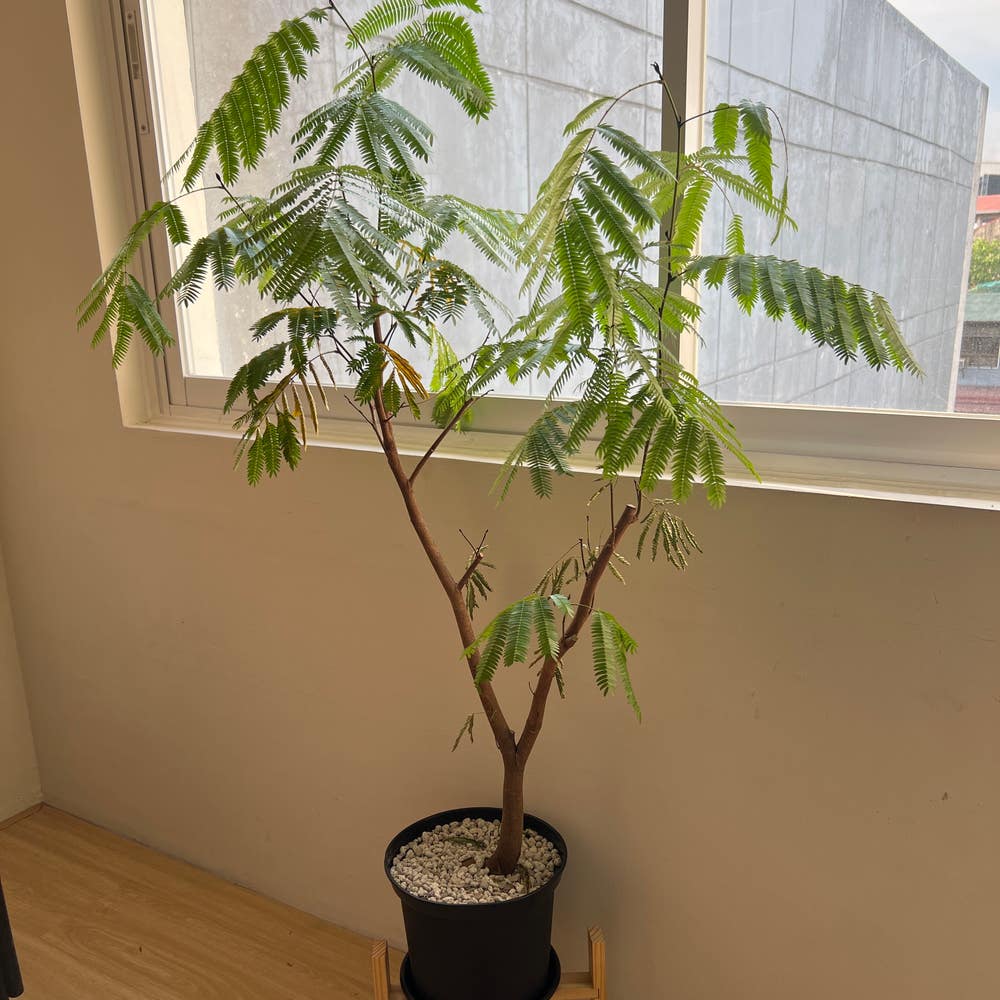
Mimosa Trees are known for their fast growth, often reaching impressive heights of 20 to 40 feet. They exhibit seasonal behavior, dropping their leaves in winter and regrowing them in spring, creating a dynamic presence in any landscape.
Reproductive strategies 🌸
One of the most captivating aspects of the Mimosa Tree is its flowering. It produces stunning pink fluffy flowers that not only beautify the environment but also attract a variety of pollinators. Additionally, the tree is capable of self-seeding, which reinforces its status as a perennial plant.
The Mimosa Tree's unique genetic and physiological characteristics make it a fascinating addition to gardens and landscapes. Understanding these traits can help you appreciate its role in nature and how to best cultivate it.
Next, we will explore how the lifecycle of the Mimosa Tree compares to that of true annuals.
Lifecycle Comparison with True Annuals
Differences between Mimosa Tree and true annuals 🌳
Mimosa trees stand out as long-lived perennials, often thriving for several decades. In contrast, true annuals complete their lifecycle within a single year, sprouting, flowering, and dying off in a matter of months.
This fundamental difference shapes their growth cycles. While annuals experience a complete die-off, Mimosa trees exhibit perennial regrowth, emerging anew each spring after winter dormancy.
Implications of Mimosa's perennial lifecycle 🌼
The perennial nature of the Mimosa tree leads to multiple seasons of flowering. Unlike annuals, which bloom once and fade, Mimosas can produce vibrant pink flowers year after year.
This continuous growth fosters a dynamic landscape. Over the years, the tree develops a robust structure, contributing to the garden's beauty and ecological balance.
Seed production differences 🌱
Mimosa trees excel in seed production, capable of generating seeds over many years. Their seeds can remain dormant, waiting for the right conditions to sprout, ensuring a steady supply of new plants.
In contrast, annuals typically produce seeds in a one-time cycle before they perish. This difference highlights the resilience and adaptability of the Mimosa, making it a valuable addition to any garden.
As we explore the regional variations and misconceptions surrounding the Mimosa tree, we’ll uncover how its unique lifecycle can sometimes lead to misunderstandings about its growth and behavior.
Regional Variations and Misconceptions
Conditions where Mimosa Tree might be mistaken for an annual 🌱
In colder climates, the Mimosa Tree often experiences die-back during winter. This seasonal retreat can lead to the misconception that it’s an annual, as it appears to vanish only to spring back to life when warmer weather returns.
Many gardeners may misinterpret this behavior, thinking the tree has completed its lifecycle. However, this is just a part of its natural rhythm, showcasing its resilience and perennial nature.
Exceptions in different geographic regions 🌍
The Mimosa Tree thrives in warm temperate and tropical regions, where it can showcase its full potential. Its adaptability allows it to flourish in various climates, but growth patterns can vary significantly based on local soil conditions and weather.
In regions with milder winters, the tree may maintain its foliage longer, further emphasizing its perennial characteristics. Understanding these regional variations can help gardeners appreciate the Mimosa Tree's unique lifecycle and its role in diverse ecosystems.
As we explore the garden design and planting strategies, consider how the Mimosa Tree can enhance your landscape while adapting to its environment.
Garden Design and Planting Strategies
🌸 Advantages of Using Mimosa Tree in Garden Design
The Mimosa Tree brings a unique aesthetic to any garden with its delicate, fern-like leaves and striking pink fluffy flowers. These features not only enhance visual appeal but also create a vibrant atmosphere that draws the eye.
Additionally, the ecological benefits are significant. The Mimosa Tree attracts various pollinators, including bees and butterflies, supporting local ecosystems and promoting biodiversity. This makes it a fantastic choice for environmentally conscious gardeners.
🌱 Planning for Perennial Growth
When incorporating the Mimosa Tree into your garden, consider it a long-term investment. Its perennial nature means you can enjoy sustained growth and flowering for many years, making it a reliable addition to your landscape.
Design considerations are crucial for optimal growth. Pay attention to placement and spacing to ensure the tree has room to thrive. Proper planning will lead to a flourishing garden that evolves beautifully over time.
In summary, the Mimosa Tree offers both aesthetic and ecological advantages, making it a valuable choice for garden design. As you plan, remember to consider its long-term growth potential to maximize your garden's beauty and health.
Management Tips for Longevity
🌱 Best Practices for Managing Mimosa Tree as a Perennial
To ensure your Mimosa Tree thrives, start with the right soil. Well-drained soils are crucial for optimal growth, preventing root rot and promoting healthy development.
Watering is another key aspect. Regular watering during dry spells is essential, especially in the first few years when the tree is establishing its roots.
🌳 Tips for Maximizing Longevity and Health
Pruning is vital for encouraging healthy growth and abundant flowering. Regularly trim back dead or overcrowded branches to promote airflow and sunlight penetration.
Pest management should also be a priority. Keep an eye out for common pests and diseases, as early detection can help maintain the overall health of your Mimosa Tree.
By following these management tips, you can enjoy the beauty and benefits of your Mimosa Tree for many years to come. Next, let’s explore how to incorporate this stunning tree into your garden design effectively.
⚠️ Safety First
This content is for general information and may contain errors, omissions, or outdated details. It is not medical, veterinary advice, or an endorsement of therapeutic claims.
Always consult a qualified healthcare professional before using any plant as food, medicine, or supplement.
Never eat any plant (or feed one to pets) without confirming its identity with at least two trusted sources.
If you suspect poisoning, call Poison Control (800) 222-1222, the Pet Poison Helpline (800) 213-6680, or your local emergency service immediately.
Spotted an error? Please report it here.
Ensure your Mimosa Tree thrives for decades with Greg's personalized care reminders 🌳, so you can enjoy its stunning blooms and ecological benefits year after year!