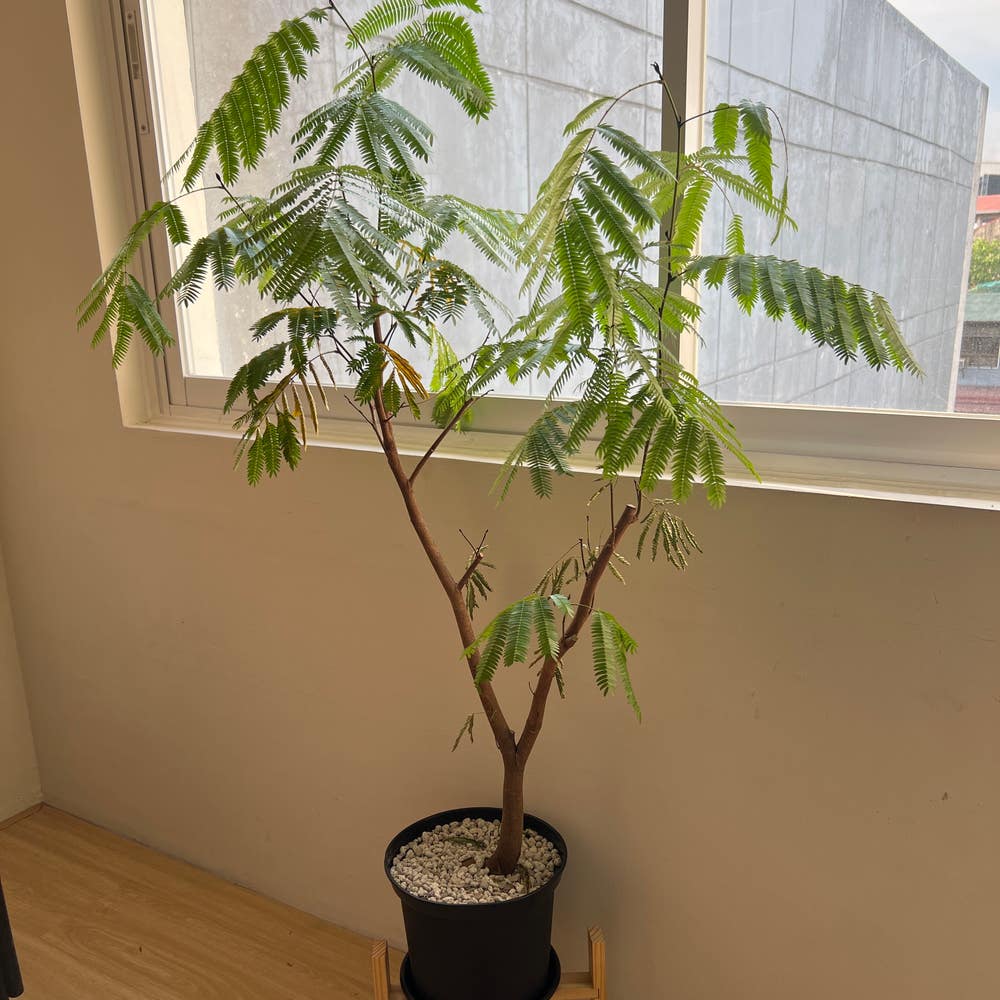
🌳 Optimal Hardiness Zones for Silk Tree: 6a-9b
Albizia julibrissin
By the Greg Editorial Team
Oct 11, 2024•5 min read
This article was created with the help of AI so we can cover more plants for you. May contain errors. See one? Report it here.
Master Silk Tree temperature needs 🌳 for vibrant growth and blooms, ensuring your garden thrives all year round!
- 🌳 Silk Trees thrive in zones 6a-9b, suitable for many US states.
- ❄️ Cold tolerance ranges from -10°F to 30°F, crucial for planting success.
- 🌞 Warm conditions and well-drained soil are essential for healthy Silk Tree growth.
Silk Tree Temperature Tolerance
❄️ Cold Tolerance
Silk Trees thrive in a specific cold tolerance range of -10°F to 30°F (-23°C to -1°C). Understanding frost tolerance is crucial, as it directly impacts the growth and survival of the Silk Tree.
Knowing the first and last frost dates in your area can help you plan for successful planting and care. This knowledge ensures that your Silk Tree can establish itself before the cold sets in.
☀️ Heat Tolerance
Heat tolerance is equally important for Silk Tree growth. These trees flourish in warm conditions, making them well-suited for regions with hot summers.
Ideal temperature conditions during warmer months promote robust growth and vibrant flowering. Keeping your Silk Tree in the right temperature range can significantly enhance its health.
🌡️ Specific Temperature Ranges for Optimal Growth
Different growth stages of the Silk Tree require specific temperature ranges. For instance, young trees may need slightly cooler conditions to establish roots, while mature trees thrive in warmer temperatures.
Temperature fluctuations can affect flowering and overall health. Consistent conditions lead to better blooms and a more resilient tree, so monitoring your local climate is key.
Understanding these temperature tolerances will help you cultivate a thriving Silk Tree, setting the stage for the next section on ideal growing regions.
Ideal Growing Regions for Silk Tree
🌍 Examples of US States in Zones 6a-9b
Silk Trees thrive in several states that fall within hardiness zones 6a to 9b. Notable examples include California, Texas, and Florida, where the climate supports their growth.
These regions offer the warm temperatures and conditions necessary for Silk Trees to flourish. Each state provides unique advantages that cater to the needs of this beautiful tree.
🌡️ Factors That Make These Regions Ideal for Silk Tree Cultivation
The ideal climate for Silk Tree cultivation features warm temperate and subtropical conditions. These environments ensure that the trees receive ample sunlight and warmth throughout the growing season.
Soil quality is also crucial. Silk Trees prefer well-drained soil, which prevents root rot and promotes healthy growth. Additionally, once established, these trees exhibit impressive drought tolerance, making them suitable for various landscapes.
🗺️ Comparison of Different Regions Within the Hardiness Zones
Within the ideal hardiness zones, microclimates can significantly impact Silk Tree growth. For instance, coastal areas may experience milder temperatures, while inland regions can have more extreme fluctuations.
Variations in temperature and precipitation across states can create diverse growing conditions. Understanding these differences helps gardeners choose the best locations for planting Silk Trees, ensuring optimal health and blooming.
As we explore the next section on microclimates, consider how these localized conditions can further enhance Silk Tree cultivation.
Microclimates and Silk Tree
🌤️ How Microclimates Can Affect Silk Tree Growth
Microclimates play a crucial role in extending the growing range of the Silk Tree. These localized climate variations can create conditions that are more favorable than the surrounding areas, allowing the tree to thrive even outside its typical hardiness zones.
Environmental factors such as wind patterns, shade from nearby structures, and heat retention from urban surfaces can significantly influence microclimates. For instance, a sheltered garden may provide a warmer environment, protecting the Silk Tree from harsh weather.
🌆 Examples of Microclimates That May Allow Silk Tree to Thrive Outside Its Usual Zones
Urban areas often present unique microclimates where Silk Trees can flourish. Cities like Los Angeles or Miami benefit from urban heat islands, where buildings and pavement absorb and retain heat, creating a warmer environment for growth.
Additionally, locations near bodies of water can moderate temperatures, providing a more stable climate. Elevation also plays a role; lower valleys may be warmer than surrounding hills, offering ideal conditions for Silk Trees to thrive.
Understanding these microclimates can empower gardeners to cultivate Silk Trees successfully, even in regions that might otherwise seem unsuitable. As we explore the broader state-level suitability for Silk Trees, consider how these localized conditions can make a significant difference in your gardening efforts.
State-Level Suitability for Silk Tree
List of US States Suitable for Silk Tree (Zones 6a-9b) 🌳
Silk Trees thrive in a variety of states that fall within hardiness zones 6a to 9b. Here’s a quick look at some of the best options:
- California: With its warm Mediterranean climate, California offers ideal conditions for Silk Trees, especially in coastal and southern regions.
- Texas: The diverse climate ranges from humid in the east to arid in the west, providing ample opportunities for Silk Tree growth.
- Florida: Known for its subtropical climate, Florida's warm temperatures and long growing season make it a perfect home for Silk Trees.
- Georgia: The warm, humid climate supports robust growth, allowing Silk Trees to flourish in many areas.
- North Carolina: With a mix of temperate and subtropical conditions, North Carolina provides a welcoming environment for Silk Trees.
List of US States Unsuitable for Silk Tree and Reasons Why 🚫
While many states are suitable, some fall outside the ideal hardiness range. Here are a few states where Silk Trees struggle:
- Maine: The extreme cold and long winters present significant challenges for Silk Tree survival.
- North Dakota: Harsh winters and frost can severely damage or kill Silk Trees.
- Montana: The temperature fluctuations and cold snaps hinder growth, making it unsuitable for Silk Trees.
- Alaska: The frigid climate and short growing season are not conducive to Silk Tree cultivation.
Discussion of Specific Challenges in Unsuitable States 🥶
In unsuitable states, environmental factors play a crucial role in hindering Silk Tree growth.
- Extreme Cold: Prolonged freezing temperatures can damage the tree's roots and branches, preventing it from thriving.
- Frost Risk: Late spring frosts can kill young buds, disrupting the growth cycle.
- Short Growing Seasons: Limited warm months restrict the tree's ability to establish itself and produce flowers.
For gardeners in these regions, consider alternatives that can withstand colder climates or explore microclimates that might offer a more favorable environment. Understanding these challenges can help you make informed decisions about your gardening choices.
As we delve deeper into the unique microclimates that can support Silk Tree growth, you'll discover how even the most unlikely locations can become nurturing havens for this beautiful tree.
⚠️ Safety First
This content is for general information and may contain errors, omissions, or outdated details. It is not medical, veterinary advice, or an endorsement of therapeutic claims.
Always consult a qualified healthcare professional before using any plant as food, medicine, or supplement.
Never eat any plant (or feed one to pets) without confirming its identity with at least two trusted sources.
If you suspect poisoning, call Poison Control (800) 222-1222, the Pet Poison Helpline (800) 213-6680, or your local emergency service immediately.
Spotted an error? Please report it here.
Grow a thriving Silk Tree 🌱 in hardiness zones 6a to 9b with Greg's tailored care reminders and climate insights to navigate local conditions like a pro!