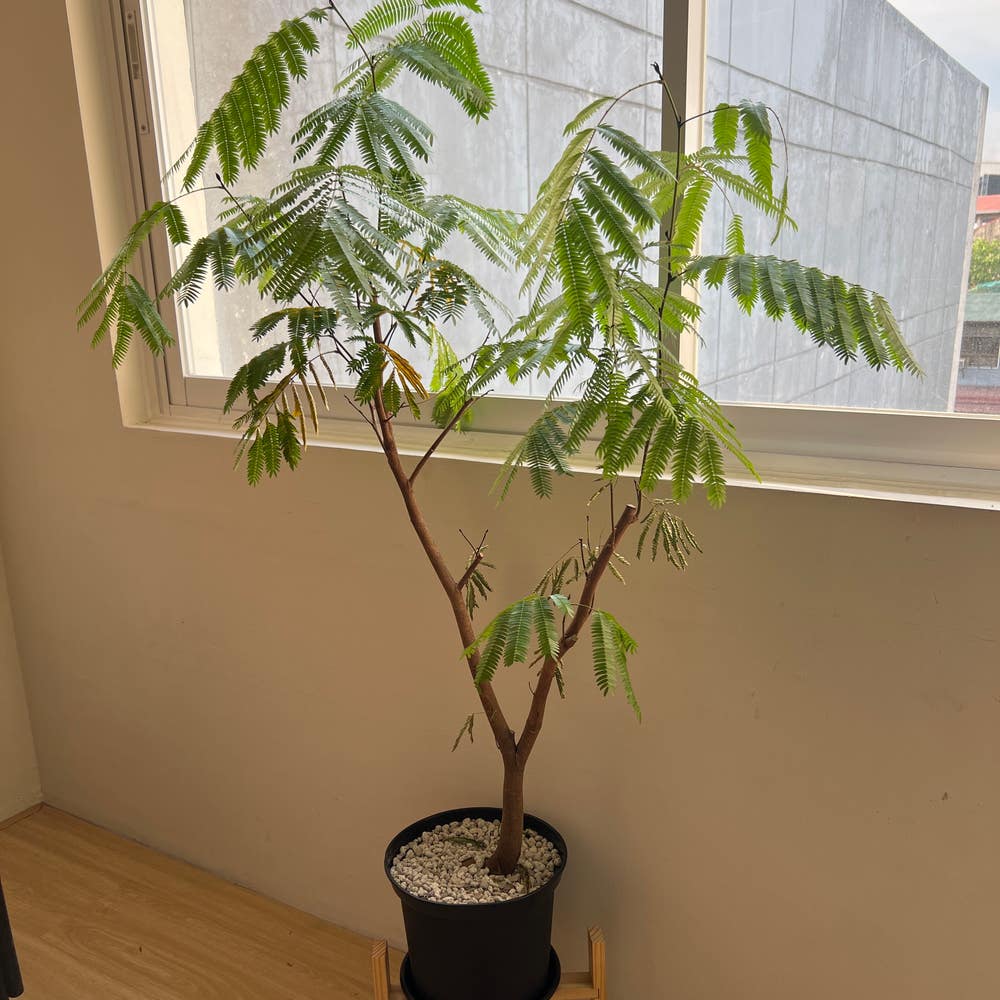
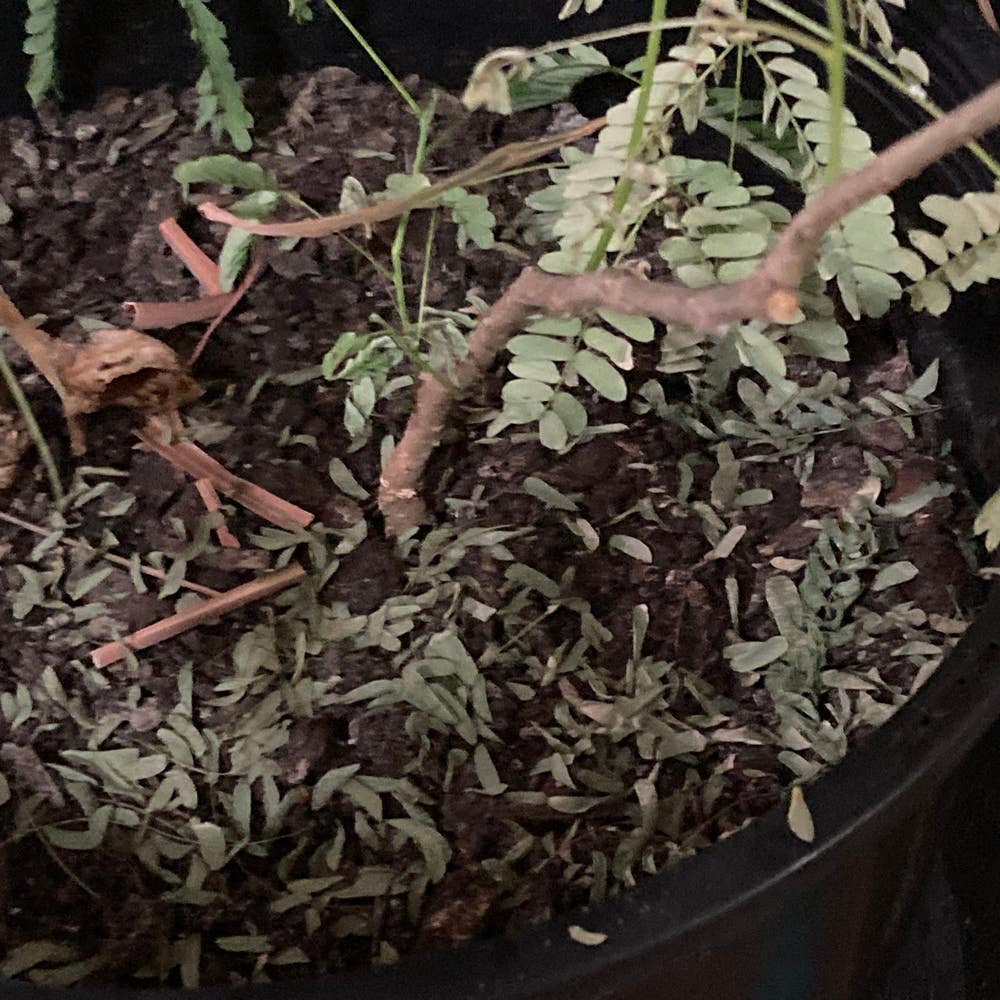
🌳 How to Cure Brown Spots on Your Mimosa Tree
Albizia julibrissin
By the Greg Editorial Team
Oct 09, 2024•6 min read
This article was created with the help of AI so we can cover more plants for you. May contain errors. See one? Report it here.
Revive your Mimosa tree's vitality 🌱 by mastering diagnosis and treatment for pesky brown spots!
- 🌳 Brown spots on Mimosa trees stem from stress, pests, or nutrient deficiencies.
- 💧 Drought and overwatering both cause brown spots; balance moisture for tree health.
- 🦠 Fungal infections and pests require early diagnosis for effective treatment and prevention.
Causes of Brown Spots
🌍 Environmental Stress Factors
Drought Conditions
Drought can severely impact your Mimosa tree, leading to wilting leaves and dry soil. This stress reduces leaf turgor, resulting in unsightly brown spots.
Overwatering
On the flip side, overwatering can also cause problems. Symptoms include yellowing leaves and soggy soil, which can lead to root rot and subsequent leaf damage.
🍄 Fungal Infections
Leaf Spot Disease
Fungal infections, particularly leaf spot disease, manifest as circular brown spots with yellow halos. These thrive in high humidity and poor air circulation, making your tree more vulnerable.
🐛 Pest Infestations
Common Pests Affecting Mimosa
Aphids and spider mites are common pests that can wreak havoc on your Mimosa. Look for sticky residue and curled leaves for aphids, while webbing and stippled leaves indicate spider mite infestations.
🌱 Nutrient Deficiencies
Nitrogen Deficiency
A lack of nitrogen can lead to yellowing leaves with brown tips. This deficiency stunts growth and affects overall tree health.
Potassium Deficiency
Potassium deficiency often shows up as marginal leaf browning and poor overall growth. Ensuring your tree gets the right nutrients is crucial for its vitality.
Understanding these causes is the first step in addressing brown spots on your Mimosa tree. Next, we'll explore how to diagnose these issues effectively.
Diagnosing Brown Spots
Identifying Symptoms 🌟
When diagnosing brown spots on your Mimosa tree, start by examining the size, color, and pattern of the spots. Small spots may indicate a minor issue, while larger ones could signal a more serious problem.
Color variations also provide clues. Dark brown spots often suggest a different issue than light brown ones, helping you narrow down the cause.
Differentiating Between Fungal and Pest-Related Issues 🦠
Next, differentiate between fungal and pest-related problems. Fungal spots usually have defined edges and can spread rapidly if not addressed.
In contrast, pest-related issues often present with visible pests or webbing on the leaves. Look closely to identify the source of the problem.
Assessing Environmental Conditions 🌍
Environmental conditions play a crucial role in your tree's health. Check the light exposure; full sun versus partial shade can significantly affect leaf vitality.
Humidity levels are also important. High humidity increases the risk of fungal infections, so keep an eye on moisture in the air.
Finally, assess soil moisture. Well-drained soil is essential for the health of your Mimosa tree, preventing root rot and other complications.
By carefully diagnosing the symptoms and environmental factors, you can take the first steps toward treating brown spots effectively. Next, let's explore treatment options to restore your tree's health.
Treatment Options
🌱 Organic Treatments
Organic treatments can be a gentle yet effective way to tackle brown spots on your Mimosa tree.
Neem Oil Application
To use neem oil, dilute it according to the instructions and spray it directly on the affected areas. Repeat this every 7-14 days until you notice improvement.
Natural Fungicides
Consider using natural fungicides like copper-based or sulfur-based options. These can help combat fungal infections without harsh chemicals.
⚗️ Chemical Treatments
If organic methods aren't cutting it, chemical treatments may be necessary.
Specific Fungicides for Mimosa
Look for fungicides specifically formulated for Mimosa trees. Recommended products include those with active ingredients like chlorothalonil or propiconazole, and be sure to follow the application guidelines for timing and frequency.
💧 Adjusting Watering Practices
Proper watering is crucial for maintaining the health of your Mimosa tree.
Importance of Drainage
Improving drainage can prevent waterlogged soil. Techniques like adding perlite or sand to your soil mix can significantly enhance drainage.
Soil Moisture Management
Aim to keep the soil consistently moist but not soggy. This balance is key to preventing both drought stress and root rot.
✂️ Pruning Affected Leaves
Pruning is an important step in managing brown spots effectively.
When to Prune
It's best to prune at the first signs of brown spots to prevent further spread.
Tools Needed
Use clean, sharp pruning shears for the job. This ensures a clean cut, reducing the risk of infection.
Disposal of Affected Leaves
Dispose of the affected leaves properly to prevent the spread of disease. This simple step can make a big difference in your tree's recovery.
By implementing these treatment options, you can help your Mimosa tree bounce back from brown spots and thrive once again. Next, let’s explore preventive measures to keep your tree healthy in the long run.
Preventive Measures
Proper Watering Techniques 🌊
To keep your Mimosa tree healthy, mastering proper watering techniques is crucial. Overwatering can lead to yellowing leaves and root rot, so it's essential to recognize these signs early.
Aim for a deep watering schedule every 1-2 weeks. This approach ensures that the roots receive adequate moisture without becoming waterlogged.
Soil Health and Amendments 🌱
Healthy soil is the foundation of a thriving Mimosa tree. Improving drainage and nutrient levels can significantly impact overall health.
Consider adding compost and organic matter to enrich the soil. Regular soil testing is also vital to check pH and nutrient levels, ensuring your tree gets what it needs.
Regular Inspections for Pests and Diseases 🔍
Frequent inspections can catch potential issues before they escalate. Aim to check your tree every 1-2 weeks during the growing season.
Look for signs of discoloration, pests, or webbing. Early detection can save your tree from more severe damage.
Seasonal Care Tips 🍂
Adapting your care routine to seasonal changes is essential for your Mimosa's health. In summer, ensure your tree has adequate moisture to combat heat stress.
During winter, protect the roots from frost. These seasonal adjustments can make a significant difference in your tree's resilience.
By implementing these preventive measures, you can maintain a healthy Mimosa tree and reduce the risk of brown spots. Next, let’s explore how to monitor and maintain your tree effectively.
Monitoring and Maintenance
Regular Monitoring Schedule for Leaf Health 🌿
To keep your Mimosa tree thriving, establish a bi-weekly monitoring schedule during the growing season. Look for changes in leaf color, size, and overall health to catch any issues early.
Signs of Recovery and Ongoing Care 🌱
As you care for your tree, watch for indicators of improvement like new growth and fewer brown spots. Maintaining optimal conditions will support your tree's recovery and overall vitality.
Importance of Maintaining Overall Tree Health 🌳
The health of your Mimosa tree is directly linked to preventing leaf spots. Regular fertilization and proper pruning are essential components of a holistic care approach that ensures your tree remains robust and resilient.
By staying vigilant and proactive, you can foster a healthy environment for your Mimosa tree, setting the stage for a flourishing future. Next, let's explore preventive measures to keep your tree in top shape year-round.
⚠️ Safety First
This content is for general information and may contain errors, omissions, or outdated details. It is not medical, veterinary advice, or an endorsement of therapeutic claims.
Always consult a qualified healthcare professional before using any plant as food, medicine, or supplement.
Never eat any plant (or feed one to pets) without confirming its identity with at least two trusted sources.
If you suspect poisoning, call Poison Control (800) 222-1222, the Pet Poison Helpline (800) 213-6680, or your local emergency service immediately.
Spotted an error? Please report it here.
Transform your Mimosa tree's health and banish brown spots 🌳 with Greg's tailored watering reminders and pest alerts to keep your tree thriving!