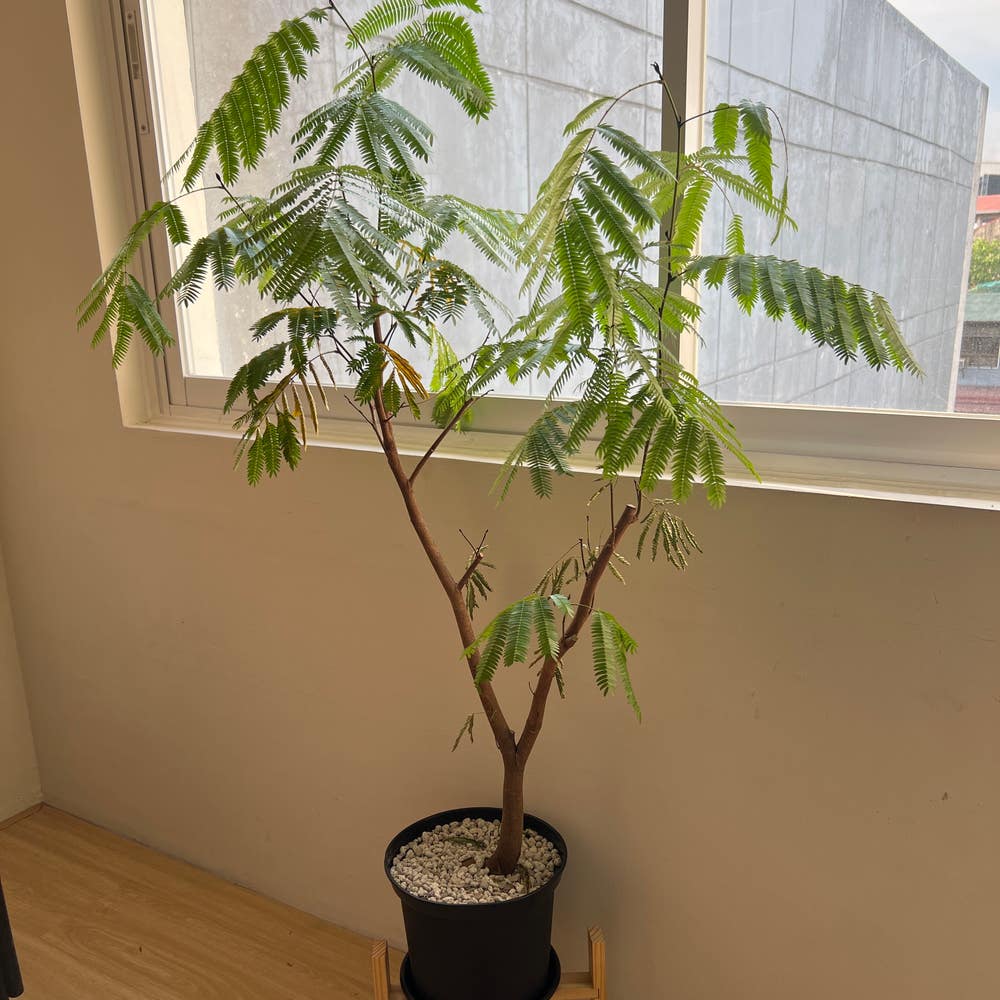
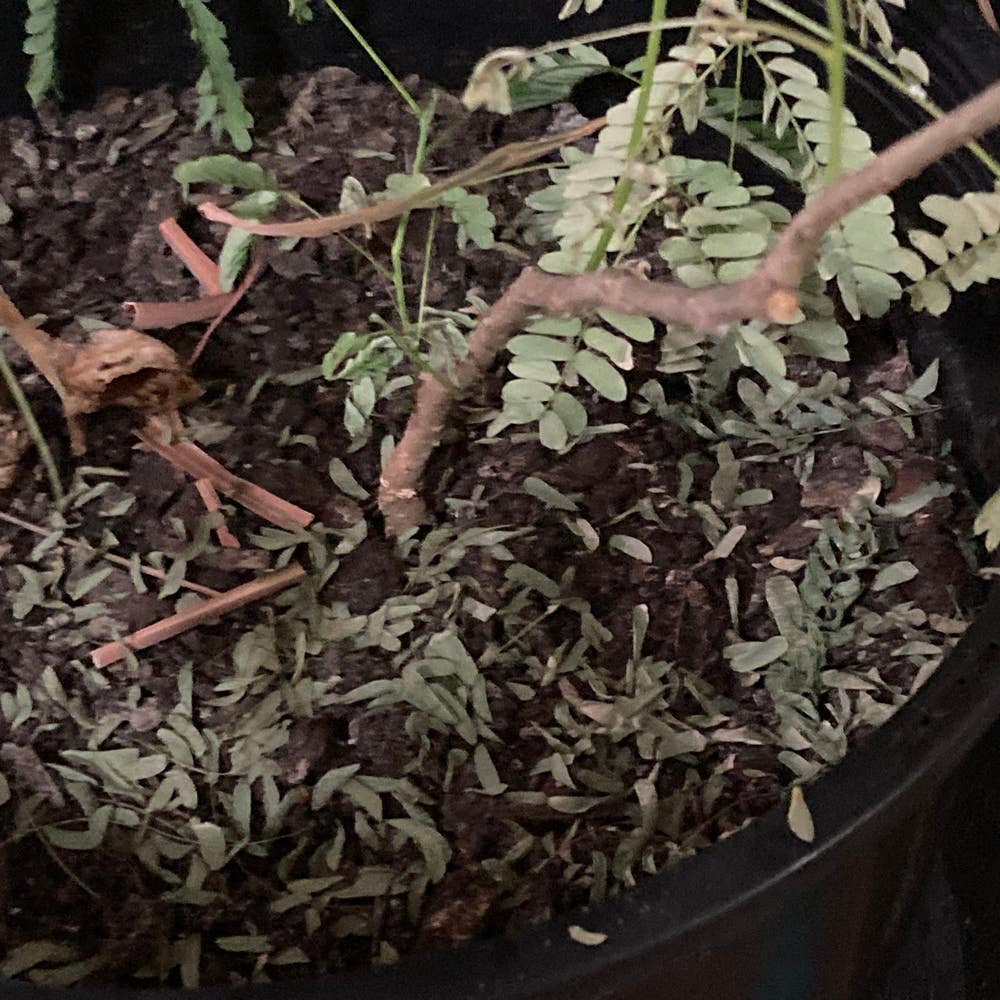
🌳 Ultimate Guide to Fixing Leaves Falling Over on Formosa Tree
Albizia julibrissin
By the Greg Editorial Team
Nov 25, 2024•6 min read
This article was created with the help of AI so we can cover more plants for you. May contain errors. See one? Report it here.
Keep your Formosa tree thriving year-round by mastering the secrets to preventing leaf drop! 🌿✨
- 🌳 Environmental stress like humidity and temperature changes causes Formosa tree leaf drop.
- 💡 Inadequate light leads to leaf shedding; ensure proper exposure for tree health.
- 🌱 Nutrient deficiencies and pests can severely impact Formosa trees; monitor regularly for issues.
Causes of Leaves Falling Over
🌪️ Environmental Stress Factors
Formosa trees are particularly sensitive to changes in humidity and temperature. Sudden fluctuations can shock the tree, leading to leaf drop.
Inadequate light exposure also plays a significant role in leaf health. If your tree isn't getting enough sunlight, it may shed leaves to conserve energy.
Seasonal changes can further influence leaf drop. As the seasons shift, trees naturally adjust, which can sometimes result in unexpected leaf loss.
💧 Soil Moisture Issues
Maintaining consistent soil moisture levels is crucial for the health of your Formosa tree. Both overwatering and underwatering can lead to distress.
Overwatering often manifests as yellowing leaves and root rot, while underwatering can cause wilting and crispy leaf edges. Aim for soil moisture that is consistently damp but not soggy for optimal growth.
🥦 Nutrient Deficiencies
Nutrient deficiencies can significantly affect the vitality of Formosa trees. Common issues include nitrogen deficiency, which leads to stunted growth and pale leaves.
Iron deficiency is another concern, often presenting as yellowing leaves with green veins. Balanced fertilization is essential to prevent these deficiencies and promote healthy foliage.
🐜 Pest Infestations
Pests can wreak havoc on Formosa trees, with spider mites and scale insects being the most common culprits. Spider mites leave webbing and stippled leaves, while scale insects create a sticky residue and cause yellowing.
These infestations can lead to significant leaf drop if not addressed promptly. Regular inspections can help you catch these pests early.
🦠 Disease-Related Leaf Drop
Diseases can also contribute to leaf drop in Formosa trees. Fungal infections often cause leaf spots and wilting, while bacterial infections may result in dark lesions and leaf loss.
Early detection and treatment are vital to prevent significant leaf loss. Keeping an eye on your tree's health can make all the difference in maintaining its vitality.
Understanding these causes is the first step in addressing leaf drop effectively. Next, we’ll explore how to diagnose the problem accurately.
Diagnosing the Problem
Identifying Symptoms of Leaf Drop 🌿
When diagnosing leaf drop in your Formosa tree, start by observing visual signs. Look for yellowing leaves, wilting, or curling, as these can indicate stress.
It's crucial to differentiate between natural leaf drop and problematic leaf fall. Natural leaf drop occurs seasonally, while problematic leaf fall often signals underlying issues.
Assessing Environmental Conditions 🌤️
Next, evaluate the environmental conditions surrounding your tree. Check the light levels, noting whether your tree is indoors or outdoors, as this can significantly affect its health.
Monitoring temperature and humidity is also essential. Stable environmental conditions are vital for leaf retention and overall tree vitality.
Checking Soil Moisture Levels 💧
Assessing soil moisture is another critical step. You can use the finger test to check moisture depth, ensuring the soil isn't too dry or soggy.
Alternatively, a soil moisture meter provides accurate readings. Aim for consistent moisture levels, as Formosa trees thrive in well-drained, evenly moist soil.
Inspecting for Pests and Diseases 🐛
Conduct a thorough inspection for pests and diseases. Start by examining the leaves and stems for any signs of infestation or infection.
Follow a step-by-step inspection process, checking for common pests like spider mites and scale insects. Regular inspections are key to early intervention and maintaining your tree's health.
Solutions for Alleviating Leaf Drop
🌊 Adjusting Watering Practices
Proper watering is crucial for the health of your Formosa Tree. Aim to water deeply but infrequently, allowing the top inch of soil to dry out between waterings.
Recognizing the signs of overwatering is essential. Look for yellowing leaves and root rot, while wilting and crispy leaf edges indicate underwatering.
To simplify your watering routine, consider using the Greg plant care app. This AI-powered tool can send you reminders tailored to your tree's needs.
🌱 Fertilization Techniques
Choosing the right fertilizer can make a significant difference in your tree's vitality. Opt for a balanced fertilizer that includes nitrogen, phosphorus, and potassium, as these nutrients are vital for growth.
Establish a fertilization schedule that aligns with the growing season. Typically, fertilizing every 4-6 weeks during spring and summer will yield the best results.
After fertilization, watch for signs of improvement, such as vibrant green leaves and new growth. This feedback will help you gauge the effectiveness of your fertilization strategy.
🐛 Pest Control Methods
Pest infestations can wreak havoc on your Formosa Tree. Start by identifying common pests like spider mites and scale insects, which can cause significant leaf drop.
For treatment, consider both organic and chemical pest control options. Neem oil is a popular organic choice, while insecticidal soaps can effectively tackle various pests.
Follow a step-by-step guide for treating infestations. Begin with a thorough inspection, apply your chosen treatment, and monitor the tree's response. Maintaining a healthy ecosystem will also help keep pests at bay.
🦠 Disease Management Strategies
Diseases can lead to severe leaf loss if not addressed promptly. Familiarize yourself with common diseases affecting Formosa Trees, such as fungal infections and bacterial blight.
When you spot symptoms, act quickly. Use recommended fungicides and bactericides to treat the affected areas.
Sanitation and hygiene are critical in plant care. Regularly clean your tools and remove any fallen leaves to prevent the spread of diseases.
By implementing these solutions, you can effectively alleviate leaf drop and promote the overall health of your Formosa Tree. Next, let's explore preventative measures to keep your tree thriving year-round.
Preventative Measures
Best Practices for Care 🌱
To keep your Formosa Tree thriving, focus on creating ideal growing conditions. This includes providing ample light, maintaining a stable temperature, and ensuring proper humidity levels.
Proper pruning and maintenance are essential for promoting healthy growth. Regularly trim dead or damaged leaves to encourage new growth and improve air circulation.
When it comes to potting, choose a well-draining mix that allows for adequate moisture retention. Repotting should be done every couple of years to refresh the soil and provide more space for root development.
Seasonal Care Tips ☀️
Adjust your care practices according to the seasons to keep your tree healthy year-round. In winter, ensure the tree is protected from cold drafts and maintain humidity levels to prevent leaf drop.
During the summer, focus on adequate hydration and ensure your tree receives enough light without being scorched. Regularly check for signs of stress, as the heat can quickly affect your tree's health.
Monitoring Environmental Conditions 📊
Invest in tools to monitor temperature and humidity levels around your Formosa Tree. This will help you maintain stable conditions that are crucial for leaf health.
Be proactive in adjusting care based on environmental changes. If you notice fluctuations, tweak your watering and light exposure to keep your tree comfortable.
Regular Inspection Routines 🔍
Establish a routine for checking your plant's health. Regular inspections can help you catch potential issues before they escalate.
Look for key signs such as yellowing leaves, wilting, or unusual spots. Early detection is vital in preventing leaf drop and ensuring your Formosa Tree remains vibrant and healthy.
By implementing these preventative measures, you can create a nurturing environment for your Formosa Tree, helping it flourish and thrive. Next, let’s explore how to diagnose any problems that may arise.
⚠️ Safety First
This content is for general information and may contain errors, omissions, or outdated details. It is not medical, veterinary advice, or an endorsement of therapeutic claims.
Always consult a qualified healthcare professional before using any plant as food, medicine, or supplement.
Never eat any plant (or feed one to pets) without confirming its identity with at least two trusted sources.
If you suspect poisoning, call Poison Control (800) 222-1222, the Pet Poison Helpline (800) 213-6680, or your local emergency service immediately.
Spotted an error? Please report it here.
Keep your Formosa tree thriving 🌱 by using Greg's tailored care tips and reminders to maintain optimal conditions and prevent leaf drop!