Formosa Tree: Not an Annual
Albizia julibrissin
By the Greg Editorial Team
Nov 25, 2024•5 min read
This article was created with the help of AI so we can cover more plants for you. May contain errors. See one? Report it here.
Unlock the lasting beauty and ecological benefits of the Formosa Tree 🌳, a must-have perennial for your garden! 🌼
- 🌳 Formosa Trees are perennials, living for decades and regenerating from roots annually.
- 🌼 They bloom seasonally, attracting pollinators and enhancing garden biodiversity.
- 🌱 Proper care ensures health: site selection, watering, and pruning are essential.
Genetic and Physiological Characteristics
🌳 Long-term lifecycle of Formosa Tree
The Formosa Tree is a remarkable perennial that can live for several decades, showcasing its impressive longevity. Its lifecycle includes distinct phases: establishment, maturation, and reproduction, each spanning multiple years and contributing to its resilience.
📈 Growth patterns specific to Formosa Tree
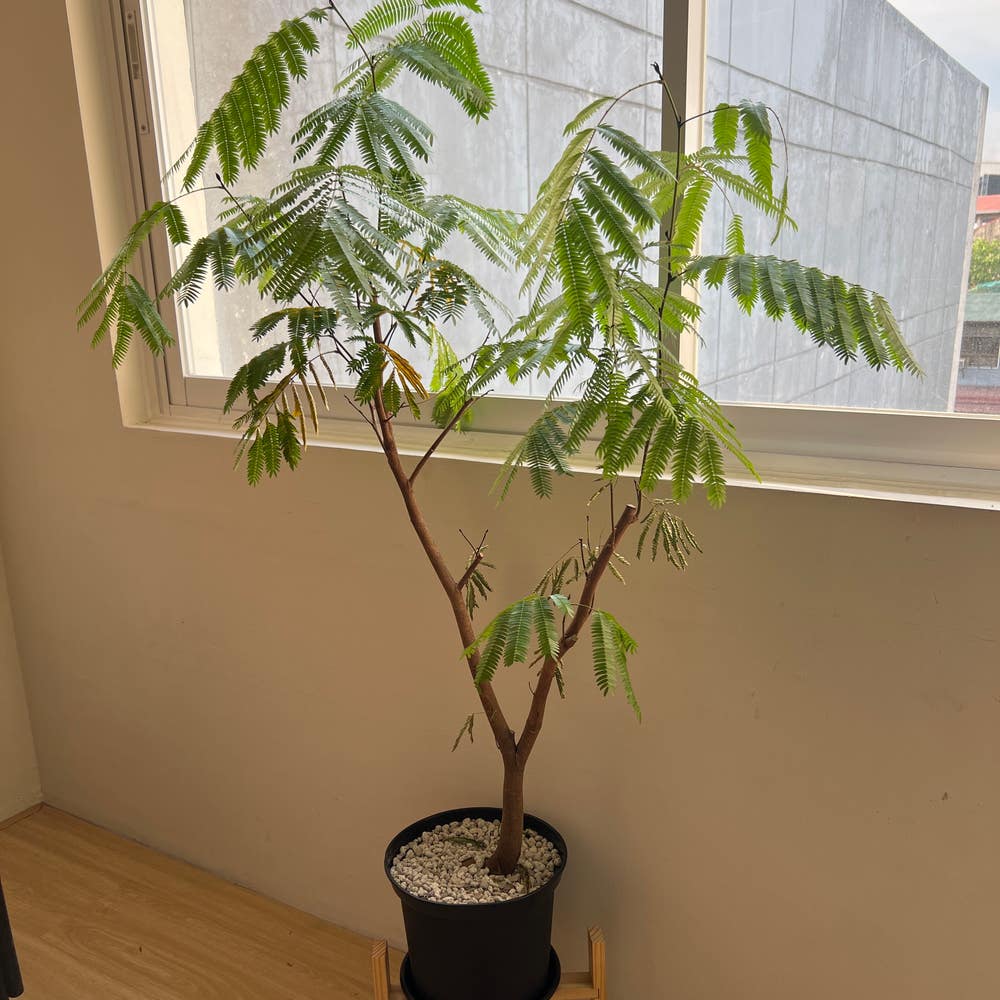
During the warm months, the Formosa Tree thrives with active growth, while it enters a dormant state in cooler seasons. This tree can exceed 30 feet in height, developing a wide canopy that takes years to fully mature.
🌼 Reproductive strategies of Formosa Tree
One of the standout features of the Formosa Tree is its showy flowers, which bloom in specific seasons and attract a variety of pollinators. Additionally, it produces seeds that remain viable for extended periods, ensuring its survival and ability to propagate effectively.
The unique genetic and physiological traits of the Formosa Tree not only define its lifecycle but also set it apart from annual plants. Understanding these characteristics is crucial as we delve deeper into how this tree compares to annuals and the implications for gardening.
Comparison with Annuals
🌱 Lifecycle differences between Formosa Tree and true annuals
The Formosa Tree showcases a remarkable perennial lifecycle, thriving for decades by regrowing from established roots each year. In contrast, true annuals complete their entire lifecycle within a single year, lacking a perennial root system to support future growth.
🌼 Growth, flowering, and seed production differences
When it comes to growth, the Formosa Tree exhibits continuous development over the years, unlike annuals that must start anew from seeds each season.
Flowering Patterns
Formosa Trees flower seasonally, producing vibrant blooms that attract pollinators, while annuals often flower continuously throughout their brief lifecycle.
Seed Production
In terms of seed production, the Formosa Tree can generate seeds over multiple years, ensuring its survival and propagation. Annuals, on the other hand, typically produce seeds just once before they die, limiting their reproductive opportunities.
Understanding these differences not only highlights the unique characteristics of the Formosa Tree but also emphasizes its value in gardens and landscapes. As we delve deeper into the variations and exceptions of this remarkable tree, we’ll explore how environmental factors can influence its classification.
Variations and Exceptions
🌱 Conditions where Formosa Tree may be mistaken for an annual
Environmental stress can significantly impact the Formosa Tree's growth. In harsh conditions, such as extreme drought or poor soil, it may exhibit stunted growth or reduced flowering, leading to misconceptions about its classification as an annual.
Mismanagement also plays a crucial role in how the Formosa Tree is perceived. Poor care, including inadequate watering or lack of nutrients, can result in a lack of growth, causing it to appear more like an annual than the resilient perennial it truly is.
🌍 Regional variations affecting classification
Climate has a profound impact on the Formosa Tree's health and longevity. In cooler regions, it may struggle to thrive, leading to shorter lifespans and potential misclassification as an annual.
Soil conditions are another critical factor. Poor soil quality can hinder growth and longevity, influencing perceptions of the Formosa Tree's classification and its ability to flourish as a perennial.
Understanding these variations is essential for proper care and appreciation of this remarkable tree. As we explore the gardening implications next, we’ll see how to leverage its perennial nature for long-term beauty and ecological benefits.
Gardening Implications
🌳 Advantages of Formosa Tree's perennial nature in garden design
The Formosa Tree is a fantastic long-term investment for any garden. Once established, it offers years of stunning beauty and provides ample shade, making outdoor spaces more enjoyable.
Additionally, this tree plays a vital role in the ecosystem. It attracts pollinators like bees and butterflies, while also offering habitat for various wildlife species. This not only enhances biodiversity but also creates a vibrant garden atmosphere.
🌱 Planting strategies for maximizing Formosa Tree's longevity
To ensure your Formosa Tree thrives, start with proper site selection. Choose warm, well-draining locations that allow the tree to establish strong roots and promote healthy growth.
Companion planting is another effective strategy. Pairing the Formosa Tree with other perennials can enhance biodiversity and resilience in your garden. This approach not only supports the tree's health but also creates a more dynamic and visually appealing landscape.
By implementing these strategies, you can enjoy the many benefits of the Formosa Tree while contributing positively to your garden's ecosystem. As you nurture this remarkable tree, you'll witness its growth and beauty flourish over the years.
Management Tips
Best practices for managing Formosa Tree as a perennial 🌳
Regular pruning is essential for the Formosa Tree. This practice encourages healthy growth and flowering while maintaining its shape and vigor.
Fertilization is another key aspect. Using balanced fertilizers during the growing season supports robust growth and enhances the tree's overall health.
Tips for enhancing growth and flowering 🌼
Watering consistently is crucial, especially during dry spells. Ensuring adequate moisture promotes flowering and keeps the tree thriving.
Pest management should not be overlooked. Regularly monitor for pests and diseases that may affect growth, and consider employing organic methods to maintain a healthy ecosystem around your tree.
By following these management tips, you can enjoy the beauty and benefits of the Formosa Tree for years to come. Transitioning into the next topic, let's explore the gardening implications of incorporating this magnificent tree into your landscape.
⚠️ Safety First
This content is for general information and may contain errors, omissions, or outdated details. It is not medical, veterinary advice, or an endorsement of therapeutic claims.
Always consult a qualified healthcare professional before using any plant as food, medicine, or supplement.
Never eat any plant (or feed one to pets) without confirming its identity with at least two trusted sources.
If you suspect poisoning, call Poison Control (800) 222-1222, the Pet Poison Helpline (800) 213-6680, or your local emergency service immediately.
Spotted an error? Please report it here.
The Formosa Tree is a stunning perennial that thrives for decades, and with Greg's customized care reminders 🌳, you can keep it blooming beautifully and support your garden's ecosystem!