🌳 Determining If Your Formosa Tree Is Dying
Albizia julibrissin
By the Greg Editorial Team
Nov 25, 2024•5 min read
This article was created with the help of AI so we can cover more plants for you. May contain errors. See one? Report it here.
Transform your space with a thriving Formosa tree 🌳 by mastering early detection and care techniques for vibrant growth!
- 🌿 Yellowing leaves indicate nutrient deficiencies or watering issues; adjust care accordingly.
- 🐛 Leaf drop signals stress or pests; inspect regularly for early detection.
- 💧 Wilting leaves result from overwatering or underwatering; maintain consistent watering practices.
Recognizing Unhealthy Formosa Trees
🚩 Signs of an unhealthy tree
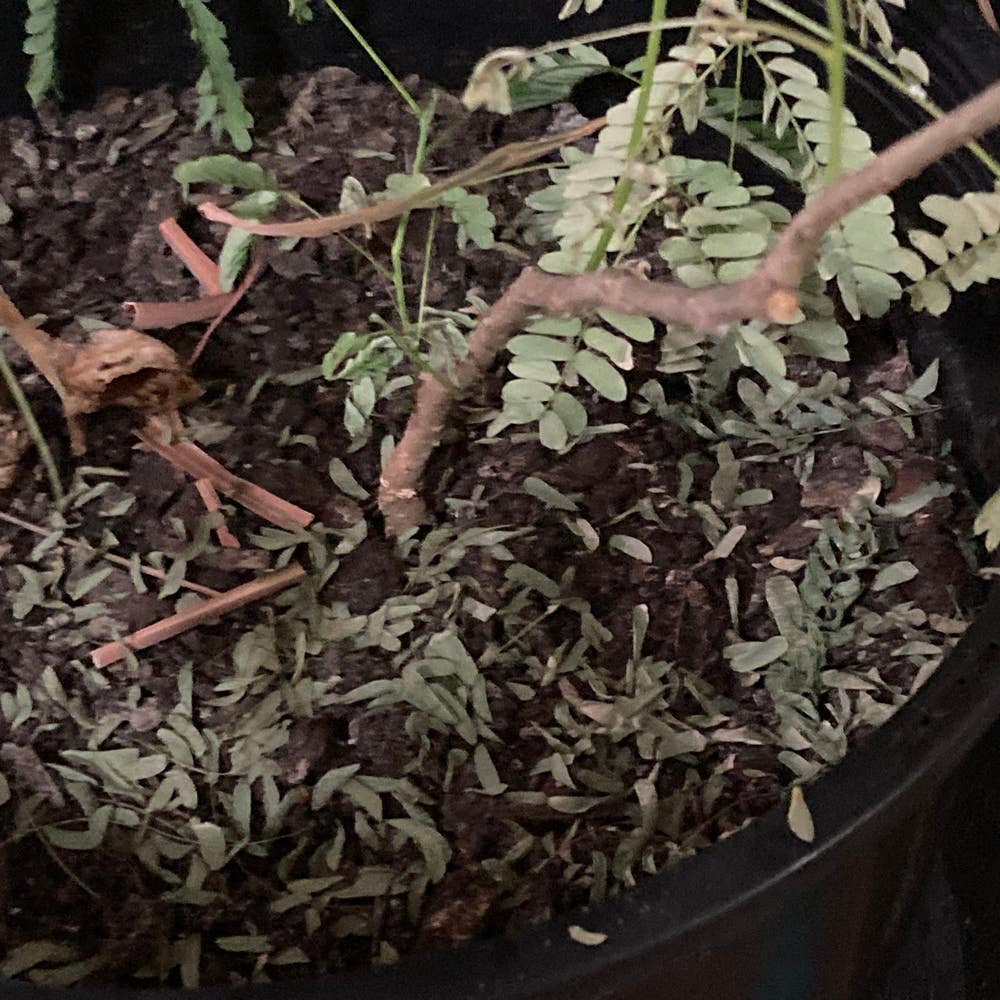
Identifying an unhealthy Formosa tree can be straightforward if you know what to look for. Start by observing the leaves; yellowing leaves often indicate nutrient deficiencies or watering issues.
Another red flag is leaf drop, which can signify stress from environmental factors or pests. If you notice wilting, it suggests either overwatering or underwatering, both of which can be detrimental to your tree's health.
Fungal growth is another concerning sign. If you see mushrooms or fuzzy growth on the leaves or soil, it’s time to take action.
By keeping an eye on these signs, you can catch problems early and help your Formosa tree thrive. Next, let’s explore common problems specific to Formosa trees and how to address them effectively.
Common Problems Specific to Formosa Tree
💧 Incorrect Watering
Identifying Overwatering and Underwatering
Watering issues are among the most common problems for Formosa trees. Overwatering typically manifests as yellowing leaves, wilting, and squishy roots, while underwatering results in dry, crispy leaves and drooping branches.
Causes and Solutions
Poor drainage can lead to root rot, while inconsistent watering schedules can stress your tree. To maintain optimal moisture levels, follow these steps:
- Check soil moisture with a finger test (1-2 inches deep).
- Adjust watering frequency based on soil moisture levels.
- Ensure proper drainage by using well-draining soil and pots with drainage holes.
💡 Incorrect Light Conditions
Symptoms and Causes
Light conditions significantly impact the health of your Formosa tree. Insufficient light can cause leggy growth and yellowing leaves, while excessive light may lead to scorched leaves and leaf drop.
Solutions
To optimize light exposure, consider these adjustments:
- Move the tree to a location with filtered sunlight.
- Use sheer curtains to diffuse harsh sunlight.
- Rotate the tree regularly to ensure even light exposure.
🌡️ Temperature Stress
Signs and Causes
Temperature fluctuations can stress your Formosa tree, leading to wilting or dropping leaves. Stunted growth is also common during extreme heat or cold.
Solutions
To maintain a stable environment, follow these guidelines:
- Keep indoor temperatures between 65°F to 85°F (18°C to 29°C).
- Use heaters or fans to stabilize temperature.
- Avoid placing the tree near air conditioning vents or heaters.
🐛 Pests
Common Pests and Identification
Pests like aphids, spider mites, and scale insects can wreak havoc on your Formosa tree. Look for sticky residue on leaves, visible insects, or webbing as signs of infestation.
Treatment Options
To combat pests effectively, try these methods:
- Spray with insecticidal soap or neem oil.
- Introduce beneficial insects like ladybugs.
- Regularly inspect and clean leaves to prevent infestations.
🦠 Diseases
Common Diseases and Symptoms
Formosa trees are susceptible to various diseases. Watch for powdery mildew (white spots), rust (orange or brown spots), black rot (dark lesions), and blight (rapid browning and wilting).
Causes and Treatment Methods
To manage diseases, consider these strategies:
- Improve air circulation around the tree.
- Apply fungicides as necessary.
- Remove and dispose of infected leaves to prevent spread.
🌱 Root and Leaf Problems
Identifying Root Issues
Root problems can be tricky to spot. Signs include wilting despite adequate watering and a foul smell from the soil.
Causes and Solutions
Common causes include overwatering, poor drainage, and compacted soil. To address these issues:
- Remove the plant from its pot and inspect roots.
- Trim away any black or mushy roots.
- Repot in fresh, well-draining soil.
Leaf Issues
Leaf problems can also indicate underlying issues. Symptoms include brown edges (scorching), yellowing (nutrient deficiencies), and fuzzy growth (fungal infections).
- Adjust watering and light conditions.
- Treat for pests or diseases as necessary.
- Fertilize with a balanced nutrient solution.
Understanding these common problems will help you keep your Formosa tree thriving. By addressing watering, light, temperature, pests, diseases, and root issues, you can ensure a healthy and vibrant plant. Next, let’s explore preventive measures to maintain your tree’s health effectively.
Preventive Measures
Best Practices for Maintaining a Healthy Tree 🌳
To keep your Formosa tree thriving, regularly check the soil moisture. Adjust your watering schedule based on these readings to ensure your tree gets just the right amount of hydration.
Additionally, monitor the light conditions where your tree is placed. If it seems to be struggling, consider relocating it to a spot with better light exposure.
Fertilizing during the growing season is also crucial. This provides your tree with the necessary nutrients to grow strong and healthy.
Importance of Early Detection 🔍
Early detection of any issues can lead to successful interventions. By keeping a close eye on your tree, you can catch problems before they escalate.
Consistent care is key to maintaining plant health and vigor. A little attention goes a long way in ensuring your Formosa tree remains vibrant.
Utilizing the Greg Plant Care App 📱
Consider using the Greg plant care app to streamline your tree care routine. This handy tool allows you to set reminders for watering, fertilizing, and pest inspections.
You can also track your plant's health and growth progress over time. With the right tools and practices, your Formosa tree can flourish beautifully.
As you implement these preventive measures, you'll be better equipped to tackle any challenges that arise, ensuring your tree remains a stunning addition to your space.
⚠️ Safety First
This content is for general information and may contain errors, omissions, or outdated details. It is not medical, veterinary advice, or an endorsement of therapeutic claims.
Always consult a qualified healthcare professional before using any plant as food, medicine, or supplement.
Never eat any plant (or feed one to pets) without confirming its identity with at least two trusted sources.
If you suspect poisoning, call Poison Control (800) 222-1222, the Pet Poison Helpline (800) 213-6680, or your local emergency service immediately.
Spotted an error? Please report it here.
Keep your Formosa tree thriving 🌳 with Greg's personalized care reminders and pest alerts, ensuring it receives the attention it needs to flourish!