🌳 Ultimate Guide to Mimosa Tree Size
Albizia julibrissin
By the Greg Editorial Team
Oct 09, 2024•5 min read
This article was created with the help of AI so we can cover more plants for you. May contain errors. See one? Report it here.
Elevate your garden with vibrant mimosa trees 🌳 that thrive quickly in the right conditions for stunning landscapes!
- 🌳 Mimosa trees grow 20-40 feet tall, creating stunning landscapes.
- ☀️💧 Optimal conditions like sunlight and moisture boost growth by 3-5 feet annually.
- ✂️ Pruning helps manage size and promotes healthier growth for Mimosa trees.
Mature Height and Spread
Typical Dimensions 🌳
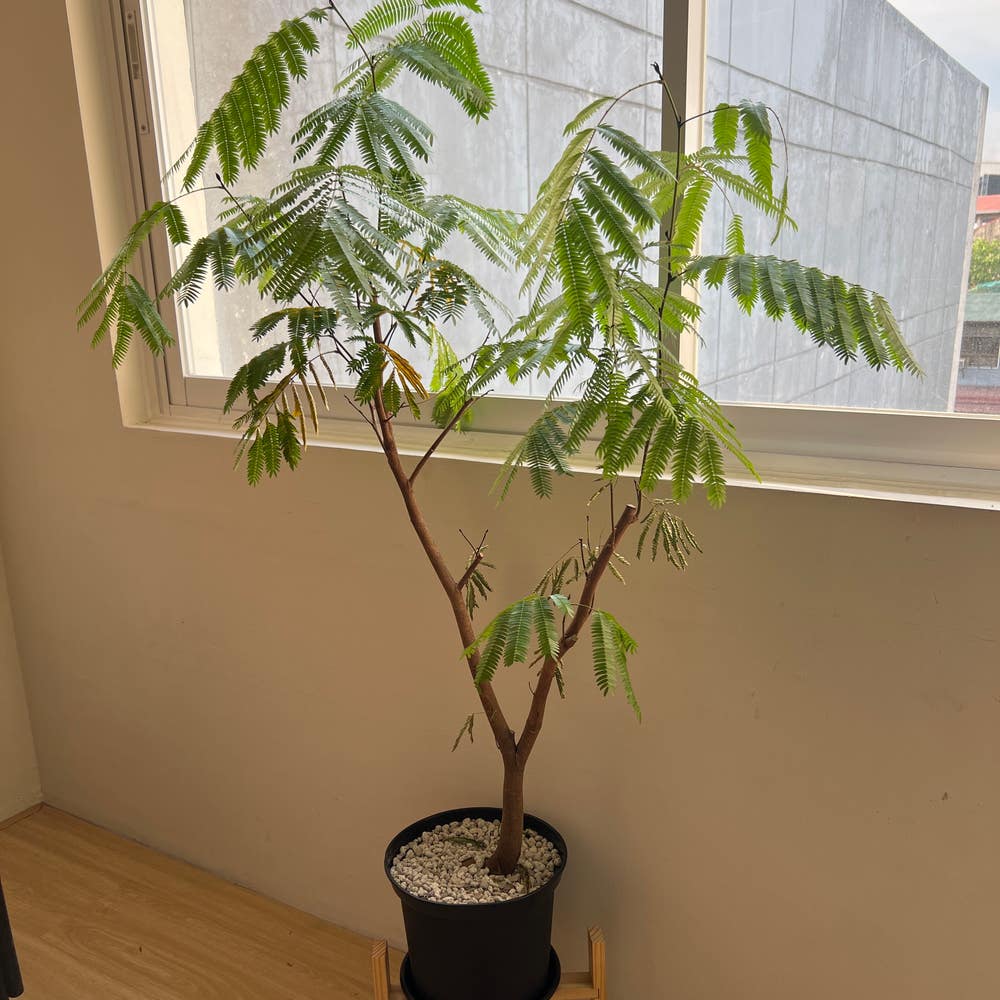
Mimosa trees are impressive, typically reaching a mature height of 20 to 40 feet (6 to 12 meters). Their spread can be equally expansive, ranging from 20 to 30 feet (6 to 9 meters), making them a striking addition to any landscape.
Factors Influencing Size 📏
Several factors can influence the size of a Mimosa tree. Environmental conditions such as soil quality, sunlight, and water availability play a crucial role in determining how tall and wide these trees can grow.
Rapid growth habits also contribute significantly to their size. Under optimal conditions, Mimosa trees can achieve remarkable dimensions in a relatively short period, making them a popular choice for gardeners looking for quick results.
Understanding these factors can help you create the ideal environment for your Mimosa tree, ensuring it reaches its full potential.
Growth Rate and Time to Reach Full Size
🌱 Growth Rate
Mimosa trees are known for their impressive growth rate, averaging between 3 to 5 feet per year when conditions are just right. This rapid growth means that you can expect your tree to reach its full size in about 10 to 15 years.
📏 Growth Stages
In the early stages, a young mimosa tree can reach an initial height of 3 to 5 feet within its first two years. By the time it hits the 10 to 15-year mark, it will have achieved its maximum height and spread, showcasing its full glory.
Understanding these growth patterns can help you plan your garden effectively. Whether you're looking to fill a space quickly or simply enjoy the beauty of a mature mimosa, knowing its growth rate is essential.
Next, let’s explore how environmental conditions can influence the size of your mimosa tree.
Size Variability Based on Environmental Conditions
🌱 Soil Type
The type of soil plays a crucial role in the growth of mimosa trees. Well-draining, fertile soil promotes optimal growth, allowing these trees to thrive and reach their full potential.
In contrast, poor soil conditions can stunt growth and reduce overall size. If your soil lacks nutrients or drainage, you might find your mimosa tree struggling to flourish.
☀️ Sunlight Requirements
Sunlight is another key factor influencing size. Mimosa trees thrive in full sun, requiring 6-8 hours of direct sunlight daily to achieve maximum height and spread.
When planted in partial shade, these trees may experience reduced size and slower growth. If you want a robust tree, ensure it gets plenty of sunlight.
💧 Watering Practices
Consistent moisture is vital for healthy growth. Regular watering supports the tree's development and helps it reach impressive dimensions.
However, be cautious of overwatering or drought conditions, as both can negatively impact size. Striking the right balance in watering will keep your mimosa tree thriving and vibrant.
Understanding these environmental factors can help you create the ideal conditions for your mimosa tree. With the right soil, sunlight, and watering practices, you can enjoy a stunning addition to your landscape.
Next, let’s explore the different varieties of mimosa trees and how their sizes can vary.
Varieties
Dwarf Varieties 🌱
Dwarf mimosa trees are perfect for those with limited space. Typically reaching heights of 10-15 feet, they fit beautifully into smaller gardens without overwhelming the landscape.
These compact trees still offer the same stunning flowers and foliage as their larger counterparts. Their manageable size makes them an excellent choice for urban settings or cozy backyards.
Giant Varieties 🌳
On the other end of the spectrum, giant mimosa trees can soar beyond 40 feet under optimal conditions. These majestic giants are ideal for larger landscapes, parks, or open spaces where they can truly shine.
Their impressive height and expansive canopy provide ample shade and a striking visual impact. If you have the room, these trees can become a stunning focal point in any outdoor setting.
In summary, whether you opt for a dwarf or a giant variety, mimosa trees can enhance your garden's aesthetic. Next, let’s explore how to control the size of these trees to suit your landscape needs.
Controlling Size
Managing the size of a mimosa tree can be essential for maintaining its beauty and fit within your landscape. Here are some effective techniques to keep your tree in check.
✂️ Pruning Techniques
Timing is crucial for effective pruning. The best period to prune your mimosa tree is in late winter or early spring, just before new growth begins.
Selective Pruning
This technique involves removing excess branches to shape the tree. By focusing on specific areas, you can enhance airflow and light penetration, promoting healthier growth.
Thinning Out Crowded Areas
If your tree has dense foliage, thinning out crowded areas can make a significant difference. This not only improves the tree's appearance but also encourages robust growth.
🌱 Other Methods
In addition to pruning, there are other methods to control the size of your mimosa tree.
Root Pruning
Limiting root spread can effectively manage overall size. By cutting back the roots, you can restrict the tree's growth potential while still allowing it to thrive.
Container Planting
Planting your mimosa tree in a pot is another smart strategy. This method restricts root growth, making it easier to control the tree's height and spread.
By employing these techniques, you can enjoy the beauty of your mimosa tree without it overwhelming your space. Next, let’s explore the various varieties of mimosa trees and how their sizes can differ significantly.
⚠️ Safety First
This content is for general information and may contain errors, omissions, or outdated details. It is not medical, veterinary advice, or an endorsement of therapeutic claims.
Always consult a qualified healthcare professional before using any plant as food, medicine, or supplement.
Never eat any plant (or feed one to pets) without confirming its identity with at least two trusted sources.
If you suspect poisoning, call Poison Control (800) 222-1222, the Pet Poison Helpline (800) 213-6680, or your local emergency service immediately.
Spotted an error? Please report it here.
Unlock the full beauty of your Mimosa tree 🌳 by using Greg's tailored care reminders to meet its growth needs and watch it thrive in your garden!