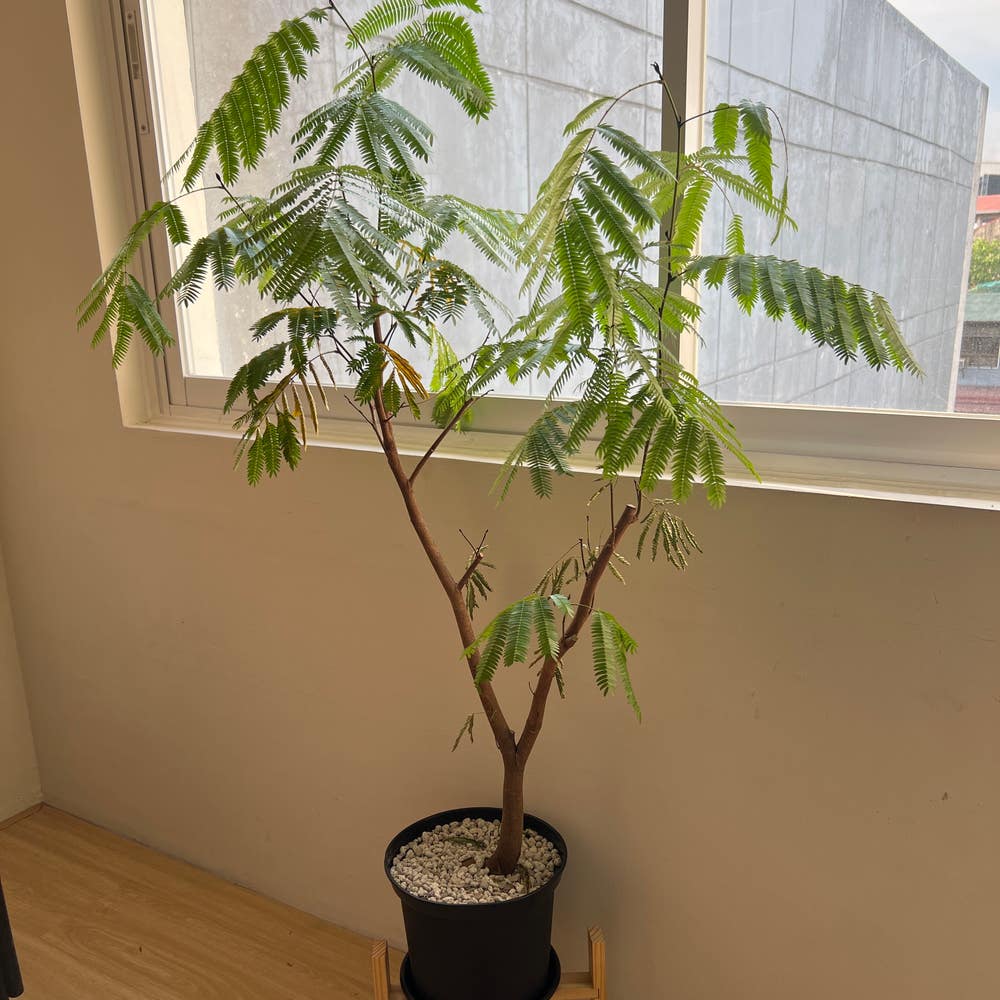
🌳 How to Fix Curling Leaves on Your Formosa Tree
Albizia julibrissin
By the Greg Editorial Team
Nov 25, 2024•6 min read
This article was created with the help of AI so we can cover more plants for you. May contain errors. See one? Report it here.
Revive your Formosa tree's vitality 🌱 by learning how to prevent and treat curling leaves effectively!
- 🌱 Curling leaves indicate stress from pests, watering, or nutrient issues—identify the cause!
- 🌡️ Ideal temperature for Formosa trees is 60°F to 75°F (15°C to 24°C) for health.
- 💧 Maintain humidity between 40%-60% to prevent leaf curling and promote growth.
Causes of Curling Leaves
🌡️ Environmental Stress Factors
Temperature fluctuations can significantly impact your Formosa tree's health. The ideal temperature range is between 60°F to 75°F (15°C to 24°C); anything outside this can lead to symptoms like leaf curling and browning edges.
Humidity levels also play a crucial role. An optimal humidity range of 40% to 60% helps keep leaves healthy, while low humidity can dry them out, resulting in curling.
🐜 Pests Affecting Leaf Health
Common pests that threaten your tree include aphids and spider mites. Aphids are small, green insects that cluster on new growth, while spider mites are tiny, web-spinning pests that cause stippling on leaves.
Identifying signs of infestation is essential. Look for yellowing leaves, sticky residue, or webbing, as these indicate pest problems that can lead to nutrient depletion and curling leaves.
🥦 Nutrient Deficiencies
Nutrient deficiencies can also cause curling leaves. A nitrogen deficiency often results in yellowing leaves and stunted growth, while magnesium deficiency leads to interveinal chlorosis and curling.
To prevent these issues, balanced fertilization is crucial. Regularly providing the right nutrients keeps your Formosa tree thriving and reduces the risk of curling leaves.
💧 Watering Issues
Watering practices can make or break your tree's health. Overwatering leads to symptoms like root rot, yellowing leaves, and curling, while underwatering results in wilting and dry leaf edges.
To maintain proper moisture levels, water your tree when the top inch of soil is dry. Ensure good drainage to prevent waterlogging, which can exacerbate curling leaves.
🌱 Soil Quality and Its Effect on Leaf Health
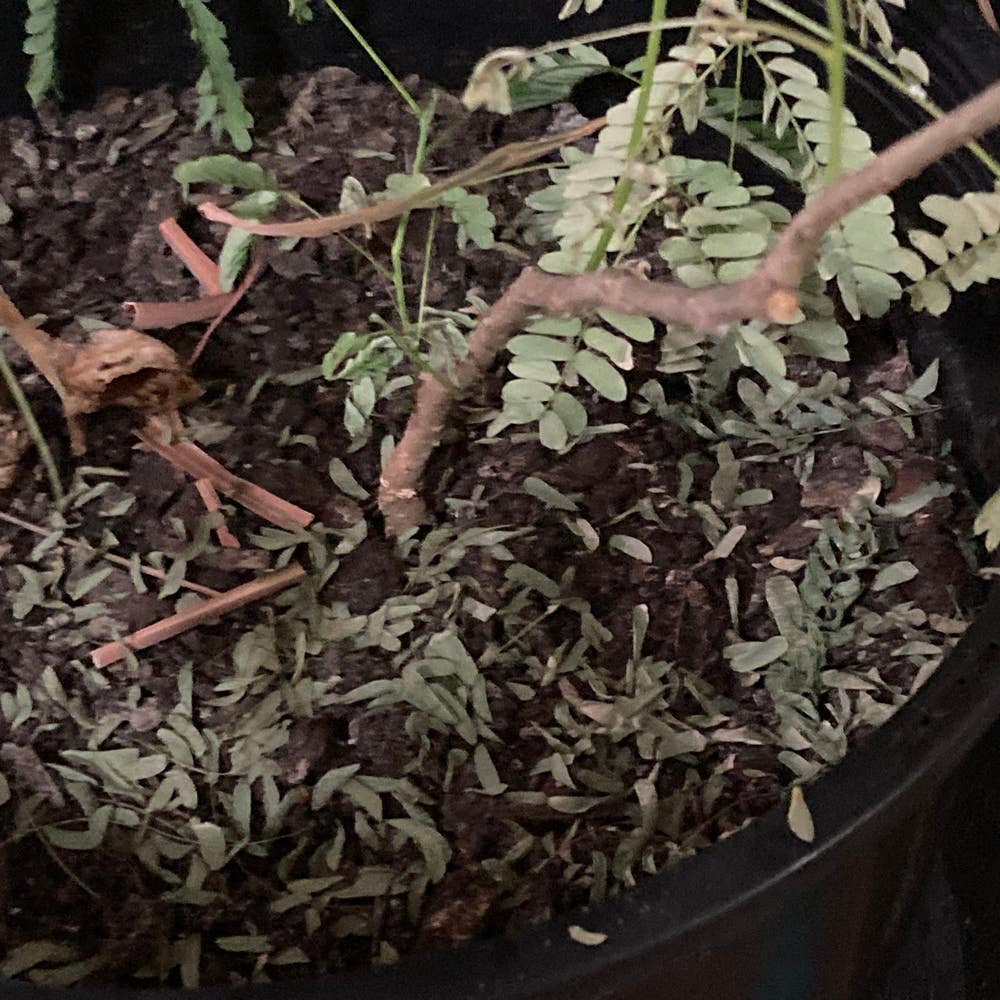
Soil quality is vital for your Formosa tree's overall health. Well-draining soil, ideally loamy or sandy with organic matter, supports healthy root systems.
Poor soil quality can lead to compacted soil, causing root issues and leaf curl. Regularly assessing and improving your soil can help maintain your tree's vitality and prevent curling leaves.
Understanding these causes is the first step in addressing curling leaves on your Formosa tree. Next, we'll explore how to diagnose these issues effectively.
Diagnosing Curling Leaves
👀 Visual Symptoms to Look For
Curling leaves can signal various issues with your Formosa tree.
- Downward curling often indicates underwatering or pest problems.
- Upward curling may suggest overwatering or environmental stress.
🐛 Differentiating Between Pest Damage and Environmental Stress
Identifying the root cause of leaf curling is crucial for effective treatment.
- Presence of pests: Check for visible insects or webbing on the leaves.
- Environmental stress signs: Monitor temperature and humidity levels to spot potential issues.
🔍 Importance of Leaf Inspection and Plant Health Assessment
Regular inspections are key to maintaining your tree's health.
- Frequency: Aim for weekly checks to catch problems early.
- Tools: A magnifying glass can help you spot tiny pests that might otherwise go unnoticed.
By staying vigilant and observant, you can ensure your Formosa tree thrives and avoids the common pitfalls that lead to curling leaves. Next, let’s explore effective treatment options for those curling leaves.
Treating Curling Leaves
🐛 Step-by-Step Treatment for Pest Infestations
Identifying pests is the first step in treating curling leaves on your Formosa tree. Look closely at the leaves for signs of aphids or spider mites.
Once you've identified the pest, you can choose your treatment options. Insecticidal soap is effective; just apply it according to the package instructions. Alternatively, neem oil can be sprayed on affected areas, and remember to repeat this every 7-14 days for the best results.
🌱 Nutrient Supplementation Methods
Nutrient deficiencies can also lead to curling leaves, so proper fertilization is key. Use a balanced NPK fertilizer, such as a 10-10-10 mix, to provide essential nutrients.
For optimal growth, apply this fertilizer every 4-6 weeks during the growing season. This regular feeding will help keep your Formosa tree healthy and vibrant.
💧 Adjusting Watering Practices
Watering practices play a crucial role in leaf health. Start by monitoring soil moisture; using a moisture meter can help you gauge when it's time to water.
Adjust your watering frequency based on seasonal changes. During hot months, your tree may need more water, while in cooler months, you can reduce the frequency.
🌍 Soil Amendment Techniques
Improving soil quality is another vital step in treating curling leaves. Adding organic matter, like compost or well-rotted manure, can significantly enhance soil health.
Additionally, testing your soil pH is essential. Aim for a pH level between 6.0 and 7.0 to ensure optimal nutrient uptake for your Formosa tree.
By addressing these key areas—pest control, nutrient supplementation, watering adjustments, and soil quality—you can effectively treat and prevent curling leaves on your Formosa tree. Next, let’s explore how to prevent these issues from arising in the first place.
Preventing Curling Leaves
🌱 Best Practices for Care
Regular maintenance is key to keeping your Formosa tree healthy. Start with pruning; removing dead or damaged leaves not only enhances appearance but also promotes better airflow around the plant.
Fertilization is another essential practice. Stick to a consistent feeding schedule to ensure your tree receives the nutrients it needs to thrive.
🌦️ Seasonal Adjustments to Care Routine
Adjusting your care routine with the seasons can make a significant difference. In summer, increase your watering frequency to combat the heat and keep the soil moist.
During winter, it's crucial to reduce watering and protect your tree from cold drafts. This helps prevent stress and curling leaves during the colder months.
🔍 Regular Monitoring and Maintenance Tips
Establishing a routine for monitoring your tree can catch issues early. Conduct weekly checks for pests and environmental conditions to ensure everything is in balance.
Additionally, perform monthly soil testing for nutrient levels. This proactive approach helps you address deficiencies before they lead to curling leaves.
🌳 Creating an Optimal Growing Environment
Creating the right environment is vital for your Formosa tree's health. Aim for a location with bright, indirect sunlight, and ensure it’s shielded from harsh winds.
Humidity plays a significant role too. Consider using a humidifier or placing pebble trays filled with water near your tree to maintain the moisture levels it craves.
By implementing these preventive measures, you can help your Formosa tree flourish and avoid the frustration of curling leaves. Next, let’s dive into diagnosing the specific causes of leaf curling to tackle any issues head-on.
⚠️ Safety First
This content is for general information and may contain errors, omissions, or outdated details. It is not medical, veterinary advice, or an endorsement of therapeutic claims.
Always consult a qualified healthcare professional before using any plant as food, medicine, or supplement.
Never eat any plant (or feed one to pets) without confirming its identity with at least two trusted sources.
If you suspect poisoning, call Poison Control (800) 222-1222, the Pet Poison Helpline (800) 213-6680, or your local emergency service immediately.
Spotted an error? Please report it here.
Keep your Formosa tree thriving 🌳 by using Greg's personalized care reminders and moisture monitoring to prevent curling leaves and ensure it gets the love it needs!