Determining What Might Be Eating Your Formosa Tree 🐞
Albizia julibrissin
By the Greg Editorial Team
Nov 25, 2024•7 min read
This article was created with the help of AI so we can cover more plants for you. May contain errors. See one? Report it here.
Ensure your Formosa Tree thrives 🌳 by mastering effective strategies to fend off hungry herbivores and protect its beauty!
- 🌳 Formosa Trees attract various herbivores, including deer, rabbits, and squirrels.
- 🦌 Signs of herbivore damage include hoof prints, chewed bark, and stripped leaves.
- 🚫 Effective deterrents like repellents and fencing can protect your Formosa Tree.
Description and Appeal
Appearance 🌳
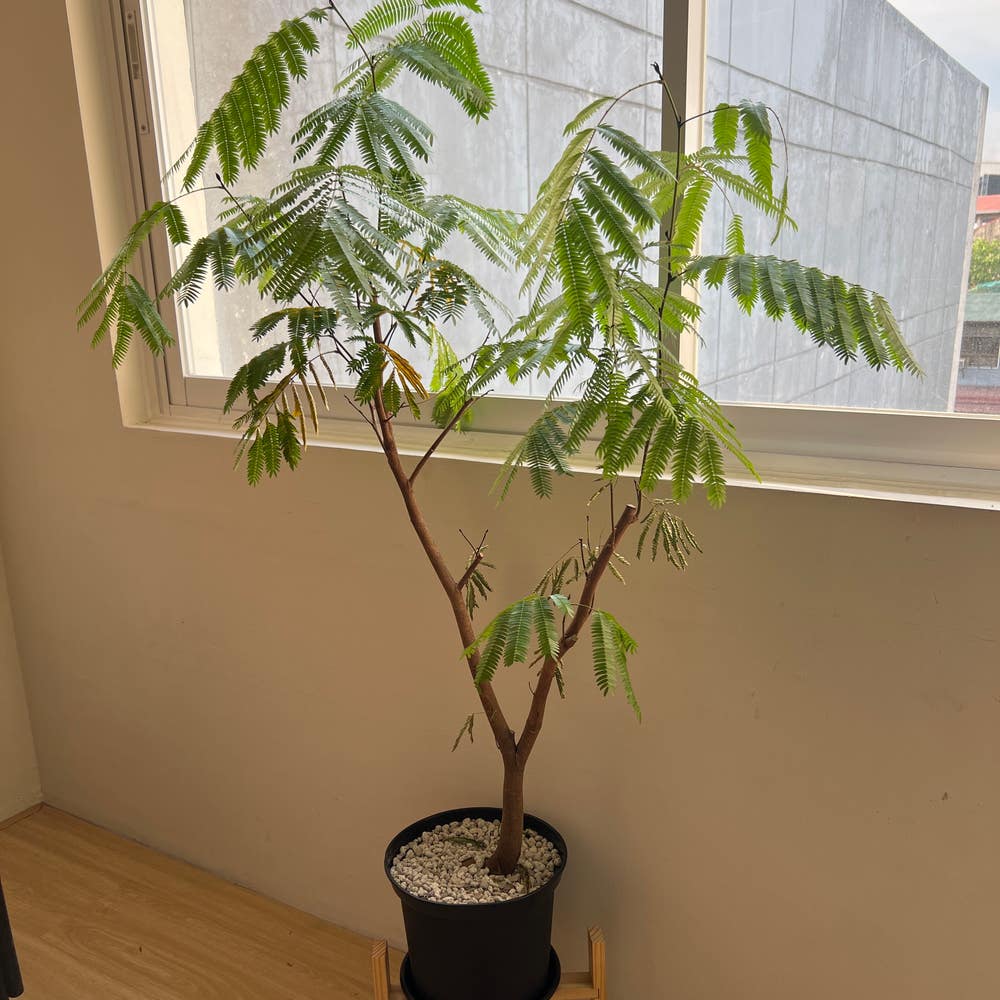
The Formosa Tree is a striking addition to any landscape, typically reaching heights of 30 to 50 feet. Its attractive compound leaves boast a glossy finish, making it a visual delight throughout the growing season.
Flowers and Pods 🌼
In spring, the tree showcases fragrant blooms that range from white to yellow, attracting a variety of pollinators. After flowering, long, flat seed pods develop, adding to the tree's unique charm.
Most Appealing Parts to Animals 🐦
The Formosa Tree's fruits, particularly its seed pods, are a magnet for birds and small mammals. Additionally, its fragrant flowers draw in not only pollinators but also herbivores eager to feast on its tender offerings.
Young Shoots 🌱
Young shoots are especially appealing to herbivores due to their tenderness. This makes them a prime target for various animals looking for a nutritious snack.
In summary, the Formosa Tree's combination of height, attractive foliage, fragrant flowers, and appealing fruits makes it a standout in any garden. Understanding its allure can help in managing the interactions with the herbivores that are drawn to it.
Next, we will explore the common herbivores that affect the Formosa Tree and the signs of their presence.
Common Herbivores Affecting Formosa Tree
🦌 Deer
Signs of presence and damage caused
Look for hoof prints near the base of your Formosa tree; these are clear signs of deer activity. You may also notice irregularly shaped leaf edges and stripped bark, indicating that deer have been browsing.
Beneficial vs. harmful interaction
Deer interactions are generally harmful, especially for young trees and saplings. Their feeding can severely stunt growth and even kill young plants.
Deterrent methods
To keep deer at bay, consider using commercial repellents that contain putrescent egg solids. Alternatively, you can plant deer-resistant species nearby or use human hair and soap shavings as organic deterrents.
🐇 Rabbits
Signs of presence and damage caused
Rabbits leave small, round droppings and distinctive footprints around your tree. You might also find cleanly cut stems and leaves, often at ground level, which indicates their nibbling habits.
Beneficial vs. harmful interaction
Rabbits are generally harmful to Formosa trees, as they can stunt growth and damage young shoots. Their feeding can hinder the tree's overall health.
Deterrent methods
For an easy solution, apply bitter-tasting sprays to deter rabbits. You can also erect fencing that stands 2-3 feet high or use repellents like cayenne pepper to keep them away.
🐿️ Squirrels
Signs of presence and damage caused
Squirrels can be identified by chewed bark and missing fruits or flowers. Their bark stripping and fruit theft can lead to significant damage.
Beneficial vs. harmful interaction
Interactions with squirrels are generally harmful. They can weaken trees and reduce fruit yield, impacting your tree's productivity.
Deterrent methods
To deter squirrels, try using repellents that contain capsaicin. Installing squirrel baffles on tree trunks can also help keep these critters from climbing up.
🐦 Birds
Signs of presence and damage caused
Birds leave droppings on the ground and peck marks on fruits. While they may consume seeds and fruits, they can also nest in the branches of your tree.
Beneficial vs. harmful interaction
Birds can be both beneficial and harmful. They contribute to pollination and seed dispersal but can also damage fruits, creating a complex relationship.
Deterrent methods
To manage birds, consider using non-toxic bird repellents. Scare tactics like reflective tape or decoy predators can also effectively keep them at bay.
🐭 Rodents (mice, voles, etc.)
Signs of presence and damage caused
Look for tunnels and burrows near the base of the tree, which indicate rodent activity. Gnawed roots and bark, especially during winter, are signs of their feeding.
Beneficial vs. harmful interaction
Rodents are generally harmful, as they can cause significant root damage. Their activity can compromise the tree's stability and health.
Deterrent methods
To combat rodents, use bait stations with chemical deterrents. Alternatively, trapping and applying peppermint oil as a repellent can be effective organic solutions.
🦡 Groundhogs/Woodchucks
Signs of presence and damage caused
Groundhogs leave large burrows and chewed foliage around your tree. Their feeding can lead to extensive damage to lower branches and roots.
Beneficial vs. harmful interaction
These animals are generally harmful, often decimating young trees and saplings. Their presence can be particularly detrimental to the tree's growth.
Deterrent methods
For a more challenging deterrent, consider using commercial repellents containing predator urine. Fencing that stands 3-4 feet high and planting deterrent plants like marigolds can also help keep groundhogs away.
Understanding the various herbivores that may affect your Formosa tree is crucial for its protection. By implementing effective deterrent methods, you can help ensure your tree thrives despite the challenges posed by these animals. Next, let’s explore general strategies for protecting your Formosa tree from these herbivores.
General Strategies for Protection
Protecting your Formosa Tree from herbivores requires a proactive approach. Here are some effective strategies to ensure your tree thrives.
🛡️ Preventive Measures
Regular monitoring is key. Keep an eye out for signs of herbivore activity, such as tracks or chewed leaves.
Implementing physical barriers can also be highly effective. Consider using fencing or netting to shield your tree from hungry animals.
⚠️ Reactive Solutions
When damage occurs, act quickly. Remove any damaged parts immediately to promote recovery and prevent further harm.
Utilize repellents and deterrents as needed. These can help keep unwanted visitors at bay and protect your tree's health.
🌱 Balancing Ecosystem Health
It's important to strike a balance between protecting your plants and maintaining ecosystem health. Encourage beneficial species while managing harmful ones.
Understanding the role of herbivores in the ecosystem is crucial. Some animals play a part in pollination and seed dispersal, so consider their impact on your garden.
By implementing these strategies, you can safeguard your Formosa Tree while fostering a healthy environment. Next, let’s explore the seasonal considerations that affect animal interactions with your tree.
Seasonal Considerations
Understanding the seasonal patterns of animal attraction to the Formosa Tree is crucial for effective management.
🌸 Spring Activity
In spring, expect a surge in activity from rabbits and deer. These herbivores are drawn to the tender shoots, making young foliage particularly vulnerable.
🍂 Fall Attraction
As the seasons change, fall brings birds flocking to the tree. They are especially attracted to the ripening seed pods, which serve as a food source.
⏰ Timing of Vulnerability
Young shoots are at their most vulnerable during early spring. This is when they are tender and easily accessible to hungry herbivores.
🌳 Mature Trees
Mature trees face different challenges during the fruiting season. While they may withstand some browsing, the ripening fruits can attract various animals, leading to potential damage.
By being aware of these seasonal dynamics, you can better protect your Formosa Tree and ensure its health throughout the year. This knowledge allows for proactive measures, helping to balance the ecosystem while safeguarding your plants.
Toxicity and Animal Interaction
The Formosa tree, while beautiful, can pose potential risks to animals. Its leaves and seeds may be toxic if consumed in large quantities, which can deter some herbivores from feasting on it.
🐾 Animal Behavior and Plant Health
Interestingly, the toxicity of the Formosa tree can influence animal behavior significantly. Some herbivores instinctively avoid the tree due to its toxic properties, while others may not be affected at all.
Understanding these dynamics is crucial for managing plant health and animal interactions. By recognizing which animals are deterred and which are not, you can better protect your Formosa tree from potential damage while maintaining a balanced ecosystem.
This knowledge can empower you to implement effective strategies for safeguarding your tree, ensuring its health and longevity.
⚠️ Safety First
This content is for general information and may contain errors, omissions, or outdated details. It is not medical, veterinary advice, or an endorsement of therapeutic claims.
Always consult a qualified healthcare professional before using any plant as food, medicine, or supplement.
Never eat any plant (or feed one to pets) without confirming its identity with at least two trusted sources.
If you suspect poisoning, call Poison Control (800) 222-1222, the Pet Poison Helpline (800) 213-6680, or your local emergency service immediately.
Spotted an error? Please report it here.
Safeguard your Formosa Tree's health and beauty 🌳 by using Greg's personalized monitoring and deterrent tips to keep herbivores away and ensure it thrives!