

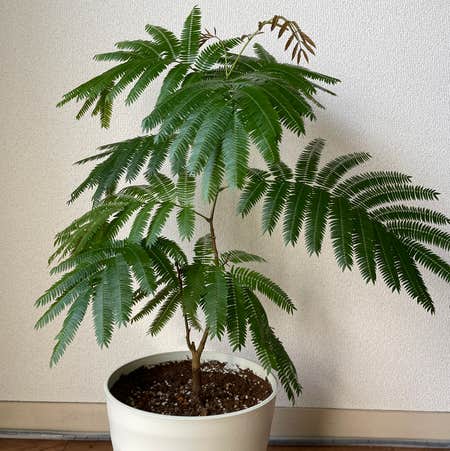


Silk Tree
About Silk Tree
Silk Tree is a popular houseplant 🌿 that is a fun challenge to grow and needs regular watering to thrive. They do best in long-lasting, direct light ☀️ and should be less than 1 foot from a window.
Silk Tree likes soil that is well draining. You may want to supplement with a gentle, organic fertilizer throughout the peak growing season.
Silk Tree belongs to the Albizia genus, and is native to Iran, India, China, and Japan.
Taxonomy

Albizia julibrissin
Albizia
Fabaceae
Fabales
Also known as
Mimosa tree, Persian silk tree and Pink silk tree

How to care for Silk Tree
How often to water your Silk Tree

every 9
Silk Tree needs 0.5 cups of water every 9 when it doesn’t get direct sunlight and is potted in a 5" pot.
Use our water calculator to personalize watering recommendations to your environment or download Greg for more advanced recommendations for all of your plants.

Water 0.5 cups every
9
Finding light for Silk Tree in your home

a window
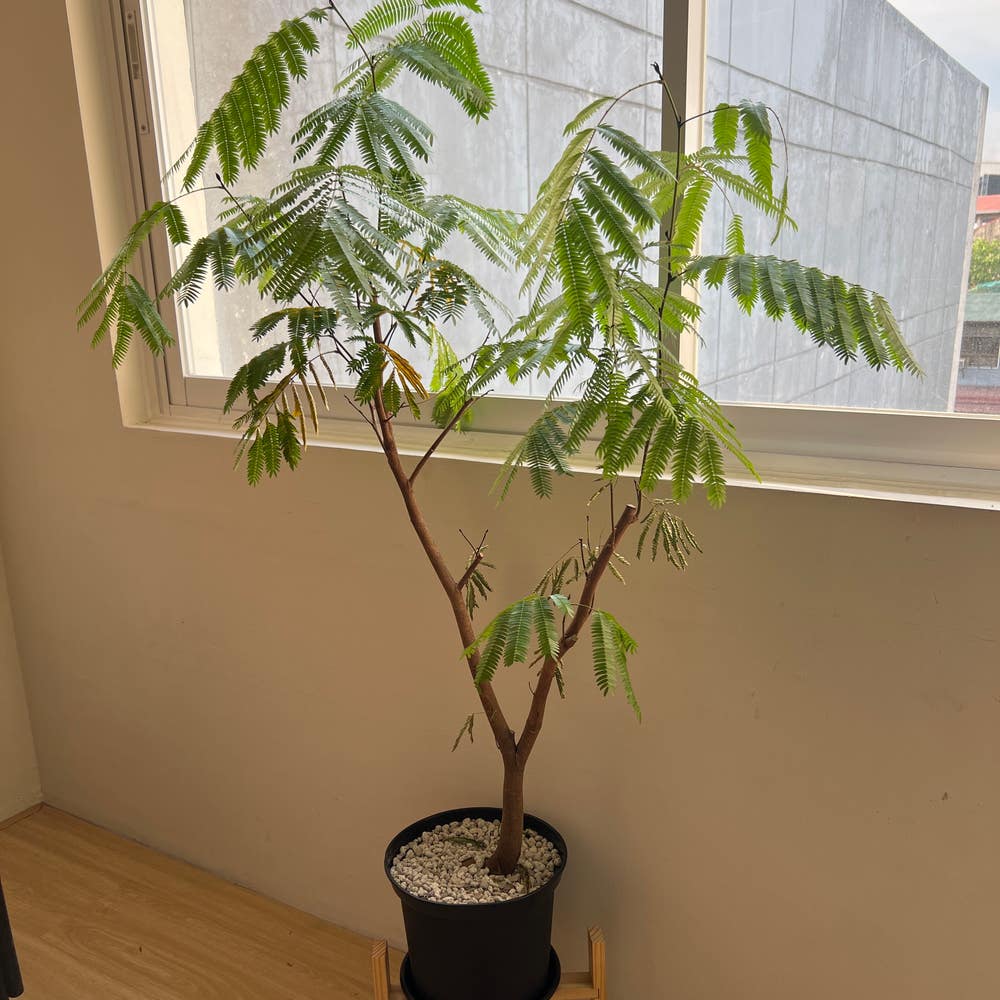
Silk Tree love being close to bright, sunny windows 😎.
Place it less than 1ft from a south-facing window to maximize the potential for growth.
Silk Tree does not tolerate low-light 🚫.
Select your region to see how the current weather in your area affects the placement of Silk Tree in your home 🏡.
How to fertilize Silk Tree

Most potting soils come with ample nutrients which plants use to produce new growth.
By the time your plant has depleted the nutrients in its soil it’s likely grown enough to need a larger pot anyway.
To replenish this plant's nutrients, repot your Silk Tree after it doubles in size or once a year—whichever comes first.
-
My everfresh plant is droopy all of a sudden I had this plant for over a year already. It has been growing well for the longest time. Then all of a sudden it’s all droopy and sad. Historically I have been watering it every alternate day, since it’s located indoors, right beside the window, and there are no issues. I’m not sure what’s wrong now. #silktree #everfresh #EverfreshTree #tree
-
Hi! I just noticed these white fuzzy things on the stems, and my plant’s leaves have closed, curled up and started to fall off. I’ve no clue what’s wrong so any advice is much appreciated!! #SilkTree
-
This Everfresh Tree cries for help This beautiful #EverfreshTree was a gift from my friend for my birthday. Received it December 22, 2023 with wet soil and has only watered it last January 5, 2024. It has been turning its leaves yellow, dropping some, and causing the new leaves to become crispy. I first noticed it last January 4. I believe this is because I was late in watering it, and it hasn't been receiving enough sunlight until today when I placed it near the window. What should I do, and how can I get it to produce new leaves in the shortest possible time? Would really appreciate the suggestions.
-
I live outside Philadelphia Pa. Been trying to remove an outside SilkTree from the side of our house for years. It lives in all type of weather and snow amounts. Nothing kills it. My question is what does? #SilkTree
-
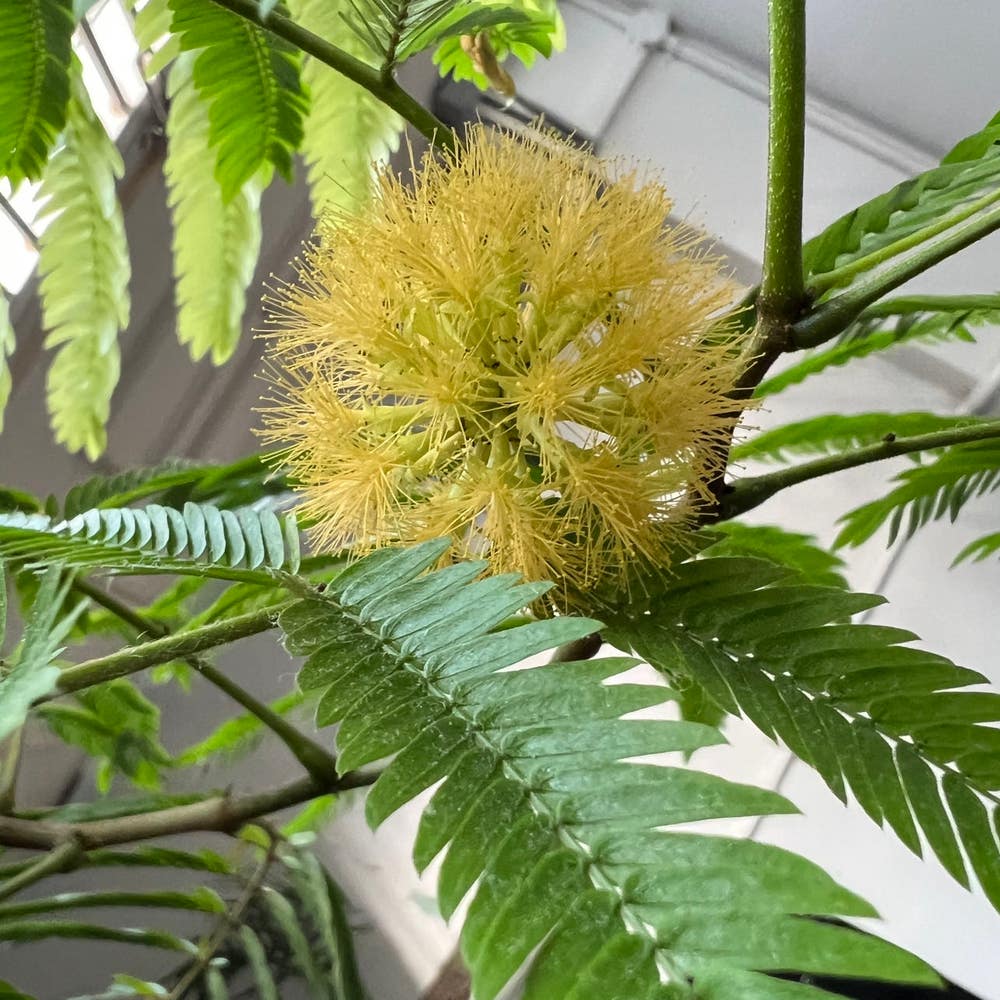
Blooms for 2022 #HappyPlants #PlantsMakePeopleHappy #PlantAddict #NewGrowth #PlantTherapy #PlantShelfie #PLANTMAFIA #GregGang
-
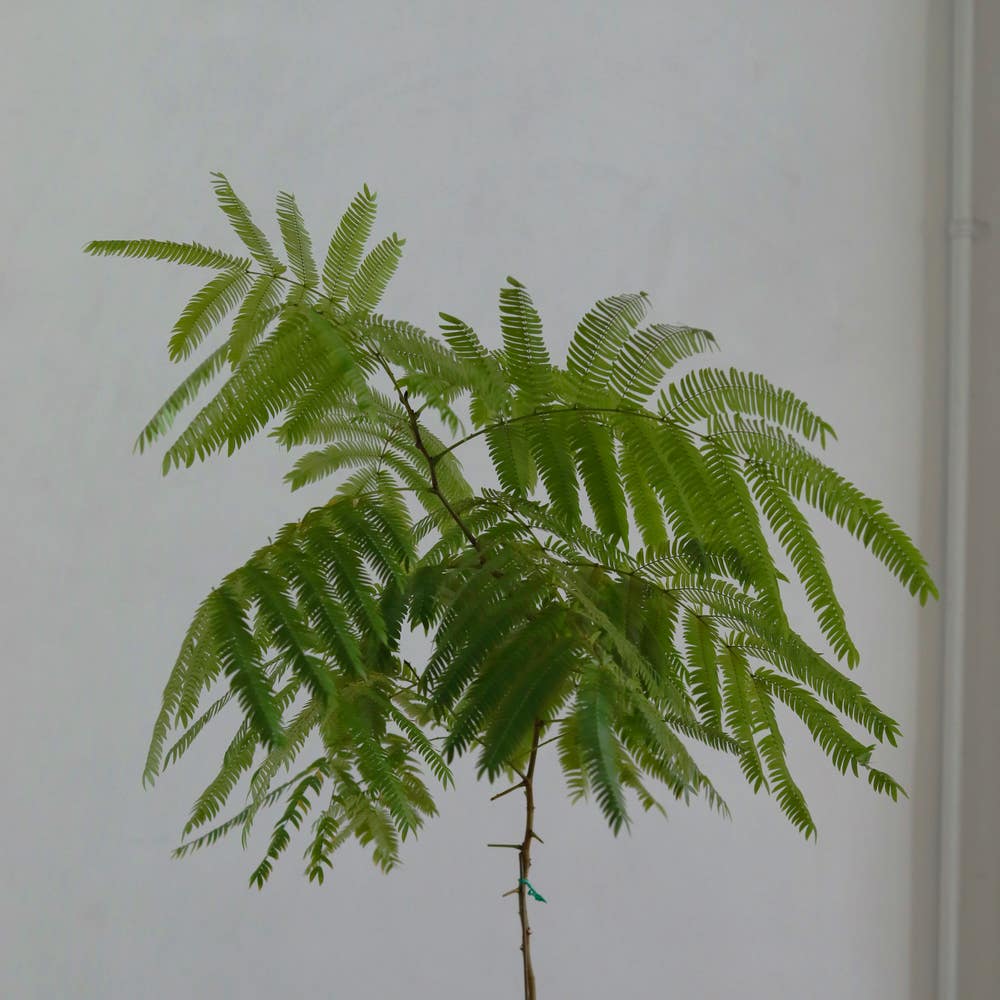
Little tree trimmed bottom😂 #HappyPlants #PlantsMakePeopleHappy #PlantAddict #NewGrowth #PropagationStation #PlantTherapy #PlantShelfie #GregGang #PLANTMAFIA #tree
-
Fall?
-
Hey #SilkTree I know winter months are coming up. I was wondering if I can go ahead and plant this little tree out side or do I need to wait til it gets a little bigger. I got it off a tree in my mother laws back yard. It’s a big beautiful tree so I’m assuming out side won’t hurt it.
-
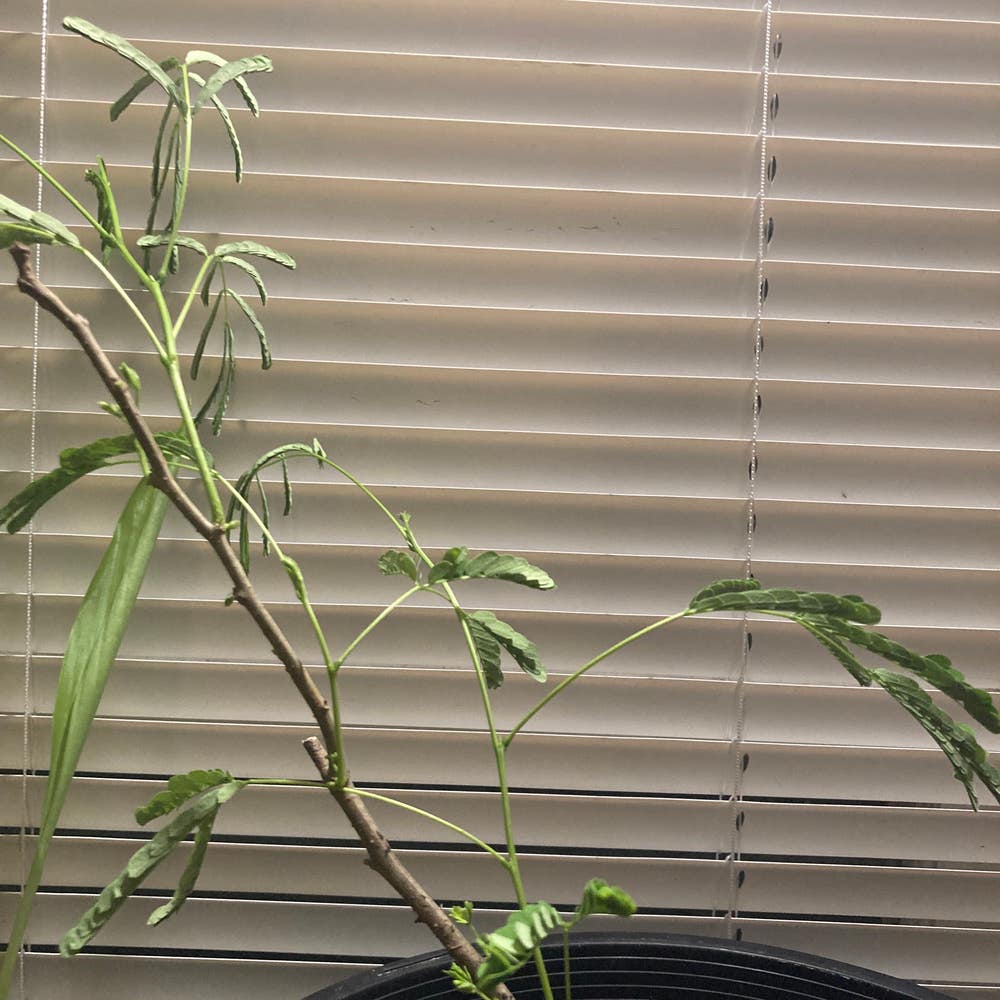
Silk tree (leaves closed)
-
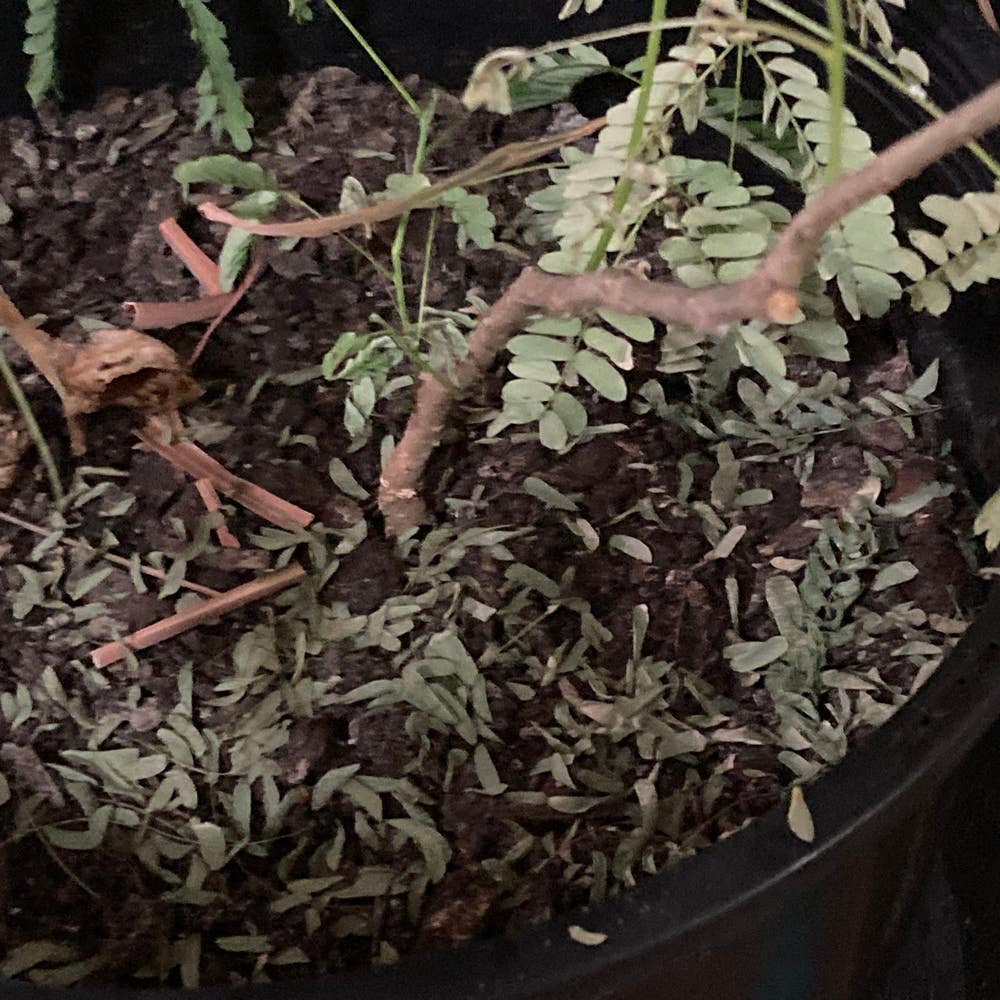
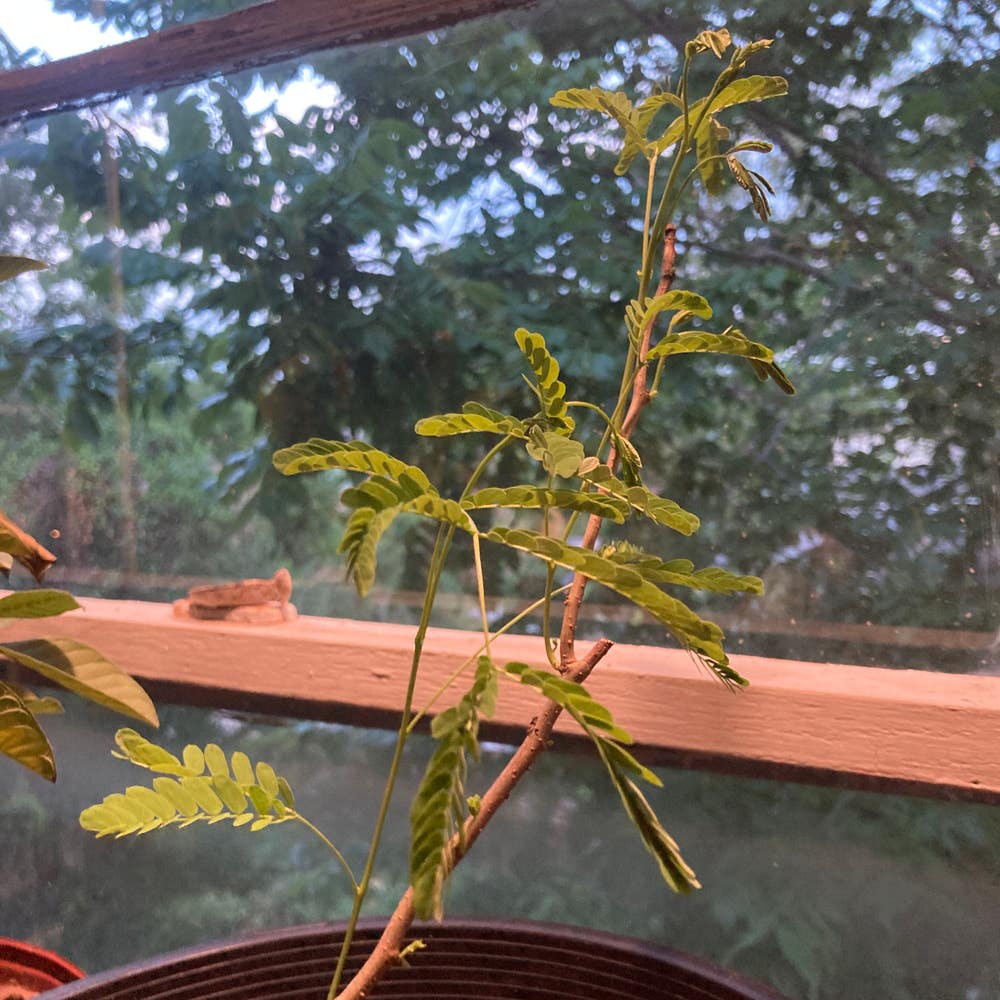
Came back after a week’s vacation and my silk tree did this.


Care Summary for Silk Tree

Silk Tree
 Greg recommends:
 Water
Water
0.5 cups every 9 days
 Placement
< 1ft from a window
 Nutrients
Repot after 2x growth
Based on the 4” pot your plant is in, and that it doesn’t get direct sunlight.
 Trending in your area









 Similar to Silk Tree

✨ Discover rare plants

Large Leaf Elephant B…

Echeveria Esther

Christmas Candle

Tuber Fleeceflower
Skeleton Key Pothos
Anthurium papillilami…

Philodendron 'Glorius'

Scindapsus pictus 'Si…

Anthurium Fingers

Stomatium acutifolium

Pine Cone Plant

Ruby Ball
Hoya 'Memoria'
Ace of Spades

Scotch Moss

Aglaonema 'Green Bowl'

Euphorbia baioensis
