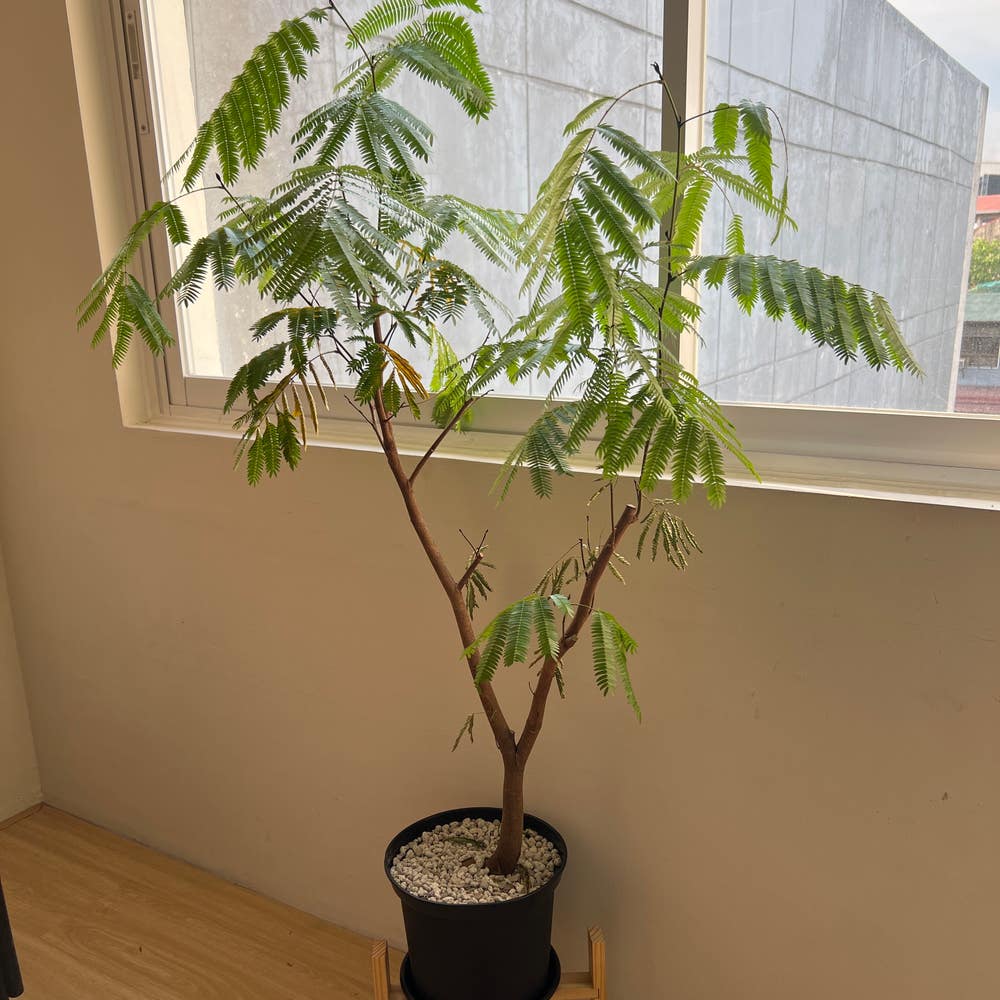
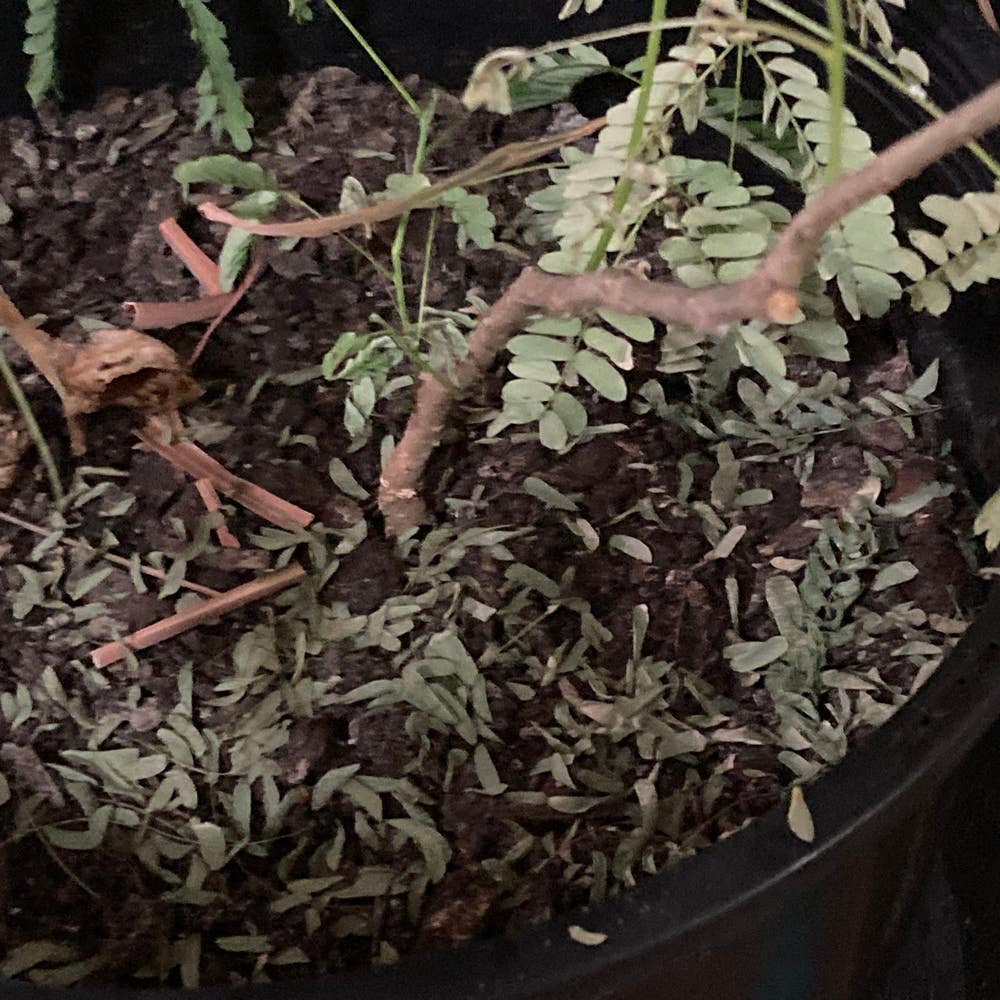
🌳 What to Do About Leaves Falling Over on Your Silk Tree
Albizia julibrissin
By the Greg Editorial Team
Oct 11, 2024•5 min read
This article was created with the help of AI so we can cover more plants for you. May contain errors. See one? Report it here.
Revive your silk tree's drooping leaves 🌿 with essential care tips for vibrant, healthy growth!
- 🌬️ Environmental stress from temperature and humidity can cause drooping leaves.
- 💧 Balance watering—both over and underwatering lead to leaf droop.
- 🌱 Nutrient deficiencies affect growth; ensure proper fertilization for healthy leaves.
Causes of Leaves Falling Over
🌪️ Environmental Stress Factors
Temperature fluctuations can be a significant stressor for your silk tree. Extreme heat or cold can lead to drooping leaves, signaling that your tree is struggling.
Humidity levels also play a crucial role. Low humidity can cause leaves to droop, making it essential to maintain a balanced environment.
Wind exposure is another factor to consider. Strong winds can physically damage leaves, leading to unsightly drooping and stress.
💧 Overwatering and Underwatering
Overwatering is a common issue that manifests through yellowing leaves and soggy soil. If you notice root rot, it’s a clear sign that your tree is getting too much water.
On the flip side, underwatering can also cause problems. Look for dry, crispy leaves and soil that pulls away from the pot, indicating your tree needs more hydration.
🥦 Nutrient Deficiencies
Nutrient deficiencies can significantly affect your silk tree's health. Common deficiencies include nitrogen, potassium, and magnesium, which are vital for robust growth.
Symptoms of these deficiencies often include yellowing leaves, stunted growth, and poor flowering. Addressing these issues promptly can help restore your tree's vitality.
🐜 Pest Infestations
Pest infestations can wreak havoc on your silk tree. Common culprits include aphids and spider mites, which can cause significant damage if left unchecked.
Signs of infestation include sticky residue on leaves, webbing, and distorted foliage. Regular inspections can help catch these pests early.
🦠 Disease-Related Issues
Fungal infections pose a serious threat to your silk tree's health. Conditions like root rot and leaf spot diseases can lead to severe damage if not addressed.
Symptoms to watch for include wilting, discoloration, and visible fungal growth on leaves. Early intervention is key to preventing further spread and damage.
Understanding these causes is essential for maintaining a healthy silk tree. With this knowledge, you can take proactive steps to ensure your tree thrives. Next, we’ll explore how to diagnose these issues effectively.
Diagnosis and Treatment
🕵️♂️ Diagnosing the Problem
Assessing Watering Habits
To start diagnosing your silk tree's issues, check the soil moisture. A moisture meter or a simple finger test can help you determine if the soil is too dry or too wet.
Aim for an ideal watering frequency of once a week, allowing the soil to dry out between waterings. This balance is crucial for maintaining healthy leaves.
Checking Soil Drainage
Next, assess the drainage of your soil. Signs of poor drainage include water pooling on the surface and soggy roots, which can lead to root rot.
For optimal health, use well-draining loamy soil. This type of soil allows excess water to escape while retaining enough moisture for your tree.
Inspecting for Pests
A visual inspection is essential for identifying pests. Look closely at the undersides of leaves, where pests like aphids and spider mites often hide.
Using a magnifying glass can help you spot smaller pests that might otherwise go unnoticed. Early detection is key to preventing infestations.
Evaluating Sunlight Exposure
Evaluate your silk tree's sunlight exposure next. Ideally, it needs full sun to partial shade, around 6-8 hours daily.
If you notice leggy growth or pale leaves, it may be a sign of inadequate light. Adjusting its location can make a significant difference.
💊 Treatment Options
Adjusting Watering Practices
If overwatering is the issue, reduce the frequency and improve drainage. This can help revive your silk tree and prevent further leaf droop.
For underwatering, gradually increase watering to restore moisture levels. Monitor the tree closely to find the right balance.
Soil Amendment Recommendations
Consider adding perlite or sand to improve drainage in heavy soils. This simple amendment can make a world of difference for your tree's health.
Fertilizing with a balanced NPK formula can also help address any nutrient deficiencies. Regular feeding during the growing season promotes robust growth.
Pest Control Methods
For pest control, start with organic options like neem oil or insecticidal soap. These methods are effective and less harmful to the environment.
If the infestation persists, chemical treatments can be used as a last resort. Always follow label instructions to ensure safety.
Disease Management Strategies
To manage diseases, promptly remove affected leaves. This helps prevent the spread of fungal infections and keeps your tree looking its best.
Improving air circulation around the plant can also reduce humidity levels, making it less hospitable for diseases. Simple adjustments can lead to healthier foliage.
With these diagnostic and treatment strategies, you can effectively address the issues causing leaves to fall over on your silk tree. Next, let’s explore some prevention strategies to keep your tree thriving year-round.
Prevention Strategies
🌱 Best Practices for Silk Tree Care
Ideal Watering Schedule
Water your silk tree once a week, adjusting based on weather conditions. The soil should remain moist but not soggy, indicating proper hydration.
Soil Composition and Amendments
Use a mix of 50% potting soil, 30% perlite, and 20% compost for optimal growth. Regular soil testing is essential to check pH and nutrient levels.
🌿 Fertilization Tips
Fertilize during the growing season every 4-6 weeks with a balanced fertilizer. Be cautious with the amount; over-fertilization can lead to nutrient burn and leaf drop.
Proper Sunlight Exposure
Monitor light conditions and adjust the tree's location if necessary. Using shade cloth can help protect it from intense afternoon sun.
❄️ Seasonal Care Considerations
Preparing for Winter
Mulching is crucial as it insulates roots and retains moisture during colder months. Prune any dead or damaged branches before winter to promote healthy growth.
Summer Care Tips
Increase watering during hot months, as your silk tree will need more hydration. Regular pest inspections can prevent infestations during growth phases.
Monitoring During Growth Phases
Keep an eye on leaf health and regularly check for signs of stress. Adjust care as needed based on seasonal changes to ensure your tree thrives.
These preventive measures will help keep your silk tree healthy and vibrant throughout the year. By staying proactive, you can enjoy its beauty and resilience, setting the stage for a flourishing plant.
⚠️ Safety First
This content is for general information and may contain errors, omissions, or outdated details. It is not medical, veterinary advice, or an endorsement of therapeutic claims.
Always consult a qualified healthcare professional before using any plant as food, medicine, or supplement.
Never eat any plant (or feed one to pets) without confirming its identity with at least two trusted sources.
If you suspect poisoning, call Poison Control (800) 222-1222, the Pet Poison Helpline (800) 213-6680, or your local emergency service immediately.
Spotted an error? Please report it here.
Keep your silk tree thriving 🌳 by using Greg's tailored watering reminders and nutrient tips to prevent drooping leaves and ensure vibrant growth all year round!