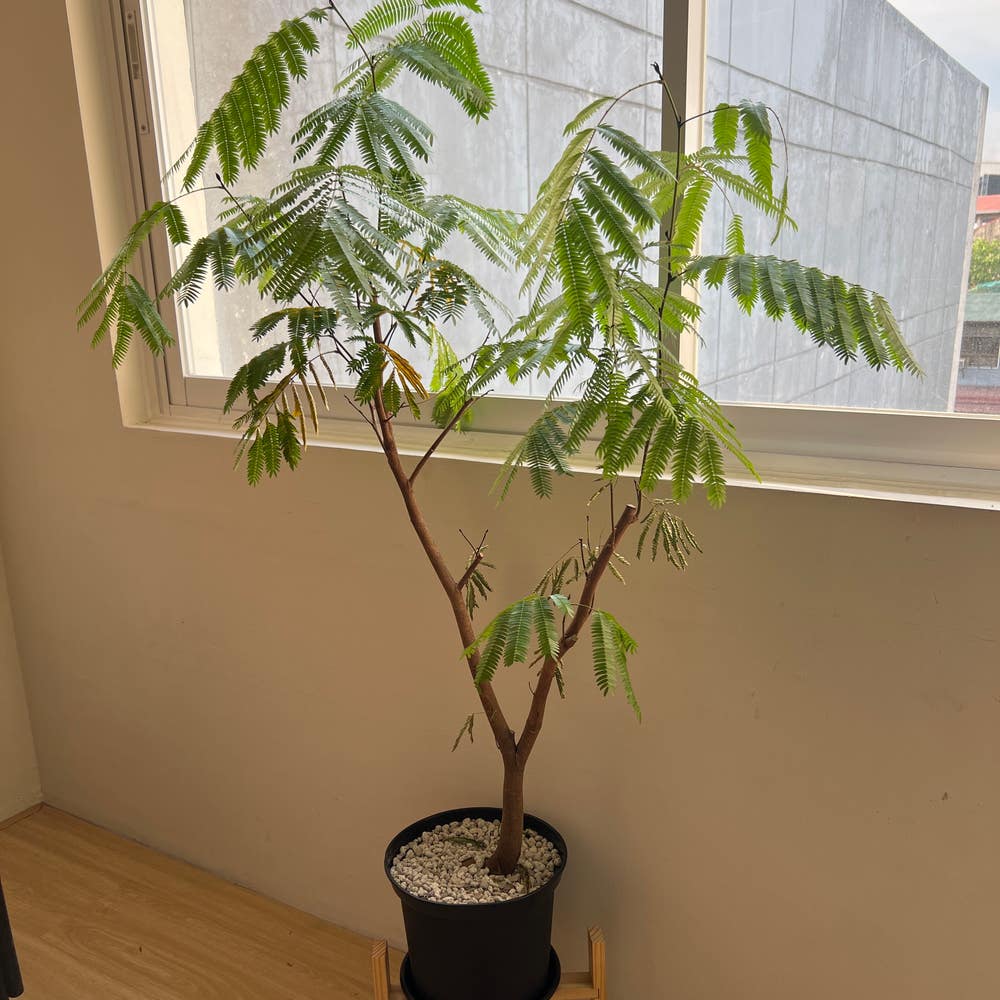
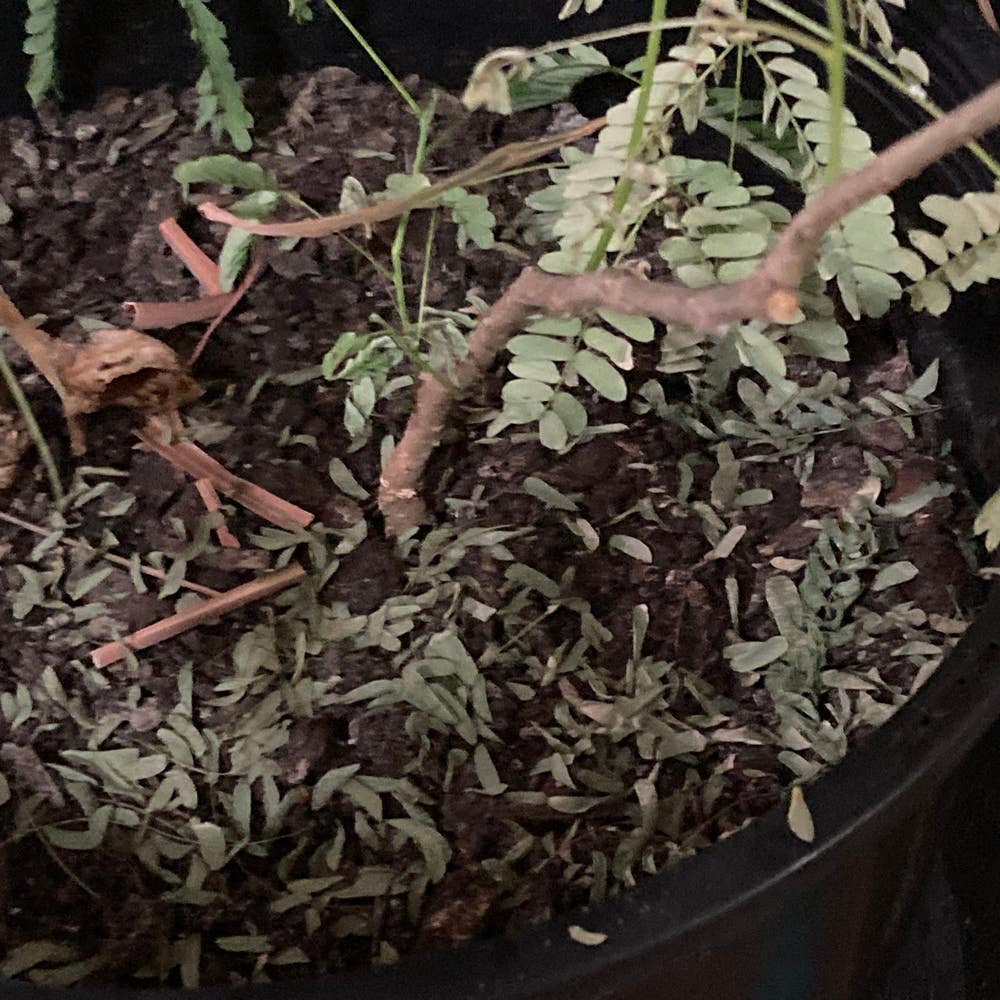
Dealing with Droopy Leaves on Your Formosa Tree 🌧️
Albizia julibrissin
By the Greg Editorial Team
Nov 25, 2024•6 min read
This article was created with the help of AI so we can cover more plants for you. May contain errors. See one? Report it here.
Transform your droopy Formosa tree leaves 🌱 into vibrant foliage with these essential care tips for thriving growth!
- 🌱 Droopy leaves indicate watering issues, temperature, humidity, or pests.
- 💧 Overwatering causes yellow leaves; underwatering leads to wilting.
- 🌡️ Maintain 60°F to 75°F for healthy Formosa tree growth.
Causes of Droopy Leaves
💧 Overwatering and Underwatering
Droopy leaves can often signal issues with watering. Overwatering manifests through yellowing leaves, soggy soil, and root rot, while underwatering presents as crispy leaf edges, dry soil, and wilting.
Maintaining balanced watering is crucial. Consistent moisture without waterlogging ensures your Formosa tree thrives.
🌡️ Environmental Stress Factors
Temperature
Your Formosa tree prefers a cozy temperature range of 60°F to 75°F (15°C to 24°C). Extreme temperatures can lead to leaf droop, whether from heat stress or cold shock.
Humidity
Humidity plays a significant role in leaf health. Aim for humidity levels between 40% to 60%; low humidity can cause leaf curling and drooping due to moisture loss.
🌱 Nutrient Deficiencies
Nitrogen Deficiency
A lack of nitrogen can lead to pale leaves and stunted growth. Nitrogen is essential for vibrant leaf health, so keep an eye on your tree's nutrient intake.
Potassium Deficiency
Potassium deficiency often shows up as leaf tip burn and drooping leaves. This nutrient is vital for overall plant vigor, so ensure your tree gets enough.
🐛 Pest Infestations
Common Pests
Pests can wreak havoc on your Formosa tree. Aphids leave sticky residue and curled leaves, while spider mites create fine webbing and stippled leaves.
Both pests can significantly impact leaf health, leading to droopiness if not addressed promptly.
🌊 Soil Drainage Issues
Well-draining soil is essential for your tree's health. Signs of poor drainage include water pooling and symptoms of root rot.
Opt for loamy or sandy soils with good aeration to promote healthy growth. Proper soil conditions can prevent many droopy leaf issues.
Diagnosing Droopy Leaves
👀 Visual Signs to Look For
When diagnosing droopy leaves on your Formosa tree, start by observing the leaf color. Yellowing, browning, or wilting can indicate various issues, from watering problems to nutrient deficiencies.
Next, examine the leaf texture. Softness may suggest overwatering, while crispy edges often point to underwatering. These visual cues are essential for pinpointing the underlying cause of droopiness.
💧 Assessing Soil Moisture Levels
Checking soil moisture is crucial for maintaining your tree's health. Use the finger test by inserting your finger into the soil; if it feels dry an inch down, it’s time to water.
Alternatively, a moisture meter can provide a more precise reading. Ideally, the soil should be slightly moist but not soggy, ensuring your tree receives the right amount of hydration.
🐛 Checking for Pests and Diseases
Regular inspections for pests can save your Formosa tree from significant damage. Look closely at the leaves and stems for any signs of infestation, such as sticky residue or webbing.
Additionally, keep an eye out for signs of disease, like fungal growth or unusual leaf spots. Early detection is key to preventing further issues and maintaining leaf health.
🌡️ Evaluating Environmental Conditions
Environmental factors play a significant role in your tree's well-being. Monitor temperature and humidity levels to ensure they fall within the ideal ranges.
If your tree is struggling, consider adjusting its placement. Move it away from drafts or direct sunlight to create a more stable environment, promoting healthier leaves and overall growth.
By diagnosing these aspects, you can take proactive steps to alleviate droopy leaves and foster a thriving Formosa tree. Next, let’s explore effective methods for alleviating droopy leaves and restoring your tree’s vitality.
Alleviating Droopy Leaves
🌊 Adjusting Watering Practices
To revive your Formosa tree, start by determining the correct watering frequency. Aim for every 1-2 weeks, adjusting based on the tree's specific needs.
Before watering, use the finger test to check soil moisture. Insert your finger into the soil; if it feels dry an inch down, it's time to water.
Ensure your pots have drainage holes to prevent waterlogging. This simple step can save your tree from the detrimental effects of overwatering.
🕳️ Improving Soil Drainage
Next, focus on improving soil drainage. Repot your tree using a well-draining soil mix by combining potting soil with perlite or sand.
Consider adding drainage layers at the bottom of pots. Using gravel or clay balls can significantly enhance drainage and promote healthy root growth.
🌱 Fertilizing Appropriately
Fertilizing your Formosa tree is essential for its vitality. Use a balanced NPK fertilizer during the growing season to provide necessary nutrients.
Apply fertilizer every 4-6 weeks during active growth. This regular feeding will support robust leaf development and overall plant health.
💧 Increasing Humidity Levels
Humidity plays a crucial role in your tree's well-being. To increase humidity, try misting the leaves, using a pebble tray, or setting up a humidifier.
Regularly monitor and adjust humidity levels to maintain the ideal range. Your Formosa tree will thrive in a more humid environment.
🐞 Treating Pest Infestations
Pests can be a significant threat to your tree's health. Start by identifying pests through regular inspections for early detection.
For treatment, consider using neem oil or insecticidal soap. You can also introduce beneficial insects to help manage pest populations effectively.
By implementing these strategies, you can alleviate droopy leaves and restore your Formosa tree's vitality. Next, let’s explore how to prevent future leaf droop and keep your tree thriving.
Preventing Future Leaf Droop
🌊 Best Practices for Watering
Establishing a consistent watering schedule is key to keeping your Formosa tree healthy. Adjust your routine based on seasonal changes to ensure your tree gets the right amount of moisture.
Using the Greg plant care app can help you stay on track. This handy tool sends reminders and allows you to track your watering habits effortlessly.
🌱 Ideal Soil Conditions
Maintaining well-draining soil is crucial for preventing droopy leaves. Avoid compacted soil, as it can lead to root issues and hinder water absorption.
Regularly check your soil pH, aiming for an ideal range of 6.0 to 7.0. This ensures your tree can effectively absorb nutrients.
🐛 Regular Monitoring for Pests
Set a routine for pest inspections every 1-2 weeks. Early detection is vital for managing infestations before they impact your tree's health.
Keep a journal of pest activity and treatment effectiveness. This practice helps you identify patterns and adjust your care strategies accordingly.
🌦️ Seasonal Care Adjustments
Adjust your care based on seasonal changes. Water less in winter when the tree's growth slows and increase watering in summer during active growth.
Acclimatizing your tree to indoor and outdoor transitions is also important. Gradually introduce it to new environments to minimize stress.
🌞 Importance of Proper Placement
Optimal light conditions are essential for your Formosa tree's growth. Aim for bright, indirect light to promote healthy foliage.
Avoid placing your tree near drafts or extreme temperature changes. Keeping it away from heating and cooling vents helps maintain a stable environment.
By implementing these best practices, you can prevent future leaf droop and ensure your Formosa tree thrives. Next, let’s explore how to diagnose droopy leaves effectively.
⚠️ Safety First
This content is for general information and may contain errors, omissions, or outdated details. It is not medical, veterinary advice, or an endorsement of therapeutic claims.
Always consult a qualified healthcare professional before using any plant as food, medicine, or supplement.
Never eat any plant (or feed one to pets) without confirming its identity with at least two trusted sources.
If you suspect poisoning, call Poison Control (800) 222-1222, the Pet Poison Helpline (800) 213-6680, or your local emergency service immediately.
Spotted an error? Please report it here.
Keep your Formosa tree perky and vibrant 🌿 by using Greg's tailored watering reminders and pest alerts to ensure it thrives without droopy leaves!