5 Key Phases of Formosa Tree Development
Albizia julibrissin
By the Greg Editorial Team
Nov 25, 2024•7 min read
This article was created with the help of AI so we can cover more plants for you. May contain errors. See one? Report it here.
Discover how to nurture a thriving Formosa tree 🌳 through its captivating life stages from seed to maturity! 🌱
- 🌱 Germination takes 2-4 weeks, needing warmth, moisture, and nutrient-rich soil.
- 🌞 Optimal growth requires full sun and regular watering during the vegetative stage.
- 🌳 Formosa trees mature in 10-15 years, evolving care needs as they grow.
Germination Stage
🌱 Duration of Germination
The germination period for Formosa trees typically spans 2 to 4 weeks. This timeframe can vary based on several factors, including temperature, moisture levels, and the viability of the seeds.
🌧️ Conditions for Successful Germination
To ensure successful germination, specific conditions must be met.
Optimal Temperature Range
Aim for a temperature between 20°C to 25°C (68°F to 77°F), as this range promotes healthy seed sprouting.
Soil Requirements
Use well-draining, nutrient-rich soil to provide the necessary nutrients and prevent waterlogging, which can harm the seeds.
Moisture Needs
Maintain consistent moisture in the soil without allowing it to become waterlogged. This balance is crucial for the seeds to absorb the water they need to sprout.
Light Exposure
Provide indirect sunlight to prevent seed desiccation. Too much direct light can dry out the seeds before they have a chance to germinate.
By ensuring these conditions are met, you can set the stage for a successful germination process. This foundational phase is critical for the future growth of the Formosa tree, leading seamlessly into the next stage of development.
Seedling Stage
🌱 Characteristics of Seedlings
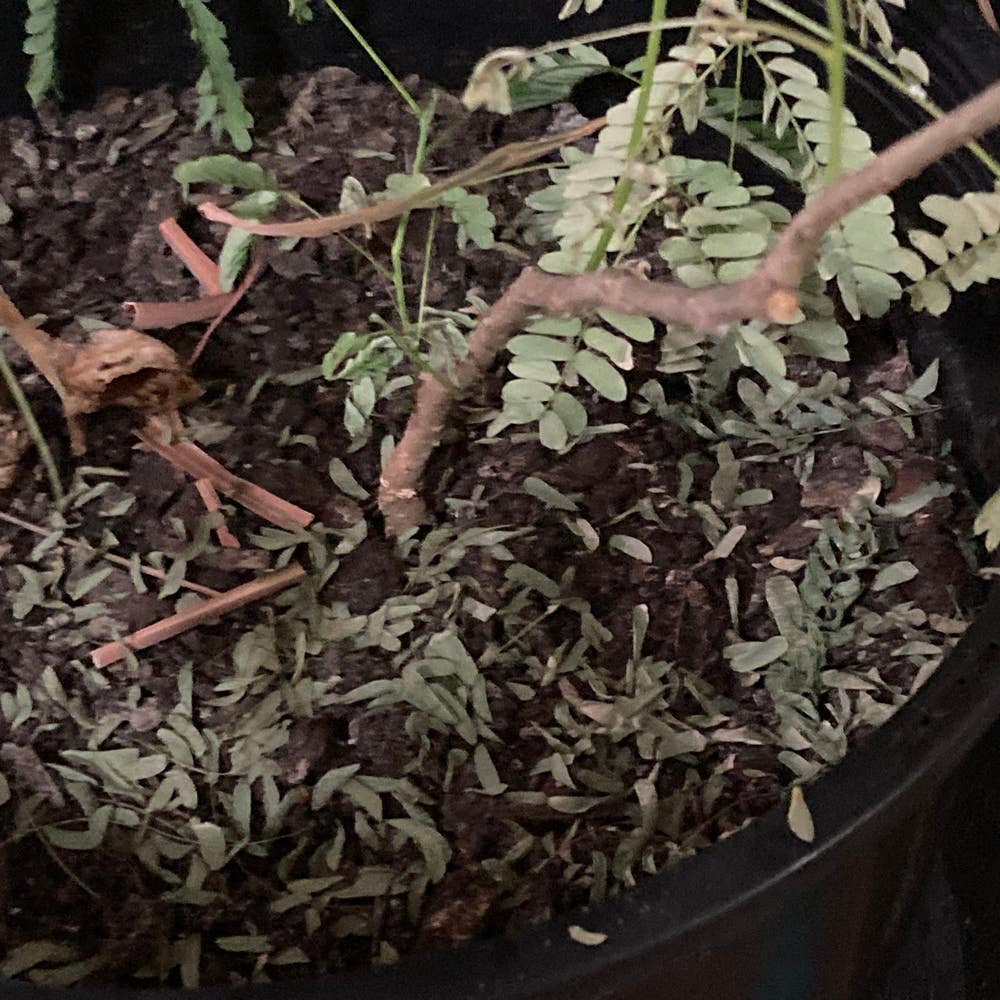
During the seedling stage, Formosa trees exhibit small, tender leaves that are a light green color. This initial growth is crucial as it sets the foundation for the tree's future development.
Root development is equally important, as seedlings work to establish a strong root system that provides stability. A robust root system not only anchors the tree but also enhances its ability to absorb nutrients and water from the soil.
⏳ Duration of Seedling Stage
The typical duration of the seedling stage ranges from 6 months to 1 year. This period is essential for the tree to gain strength and resilience.
Indicators that a seedling is ready for transplanting include the development of 3-4 true leaves and a robust root system. These signs indicate that the seedling has matured enough to thrive in a new environment.
As we move forward, understanding the vegetative growth stage will reveal how these seedlings transition into more substantial forms.
Vegetative Growth Stage
🌱 Description of Vegetative Growth
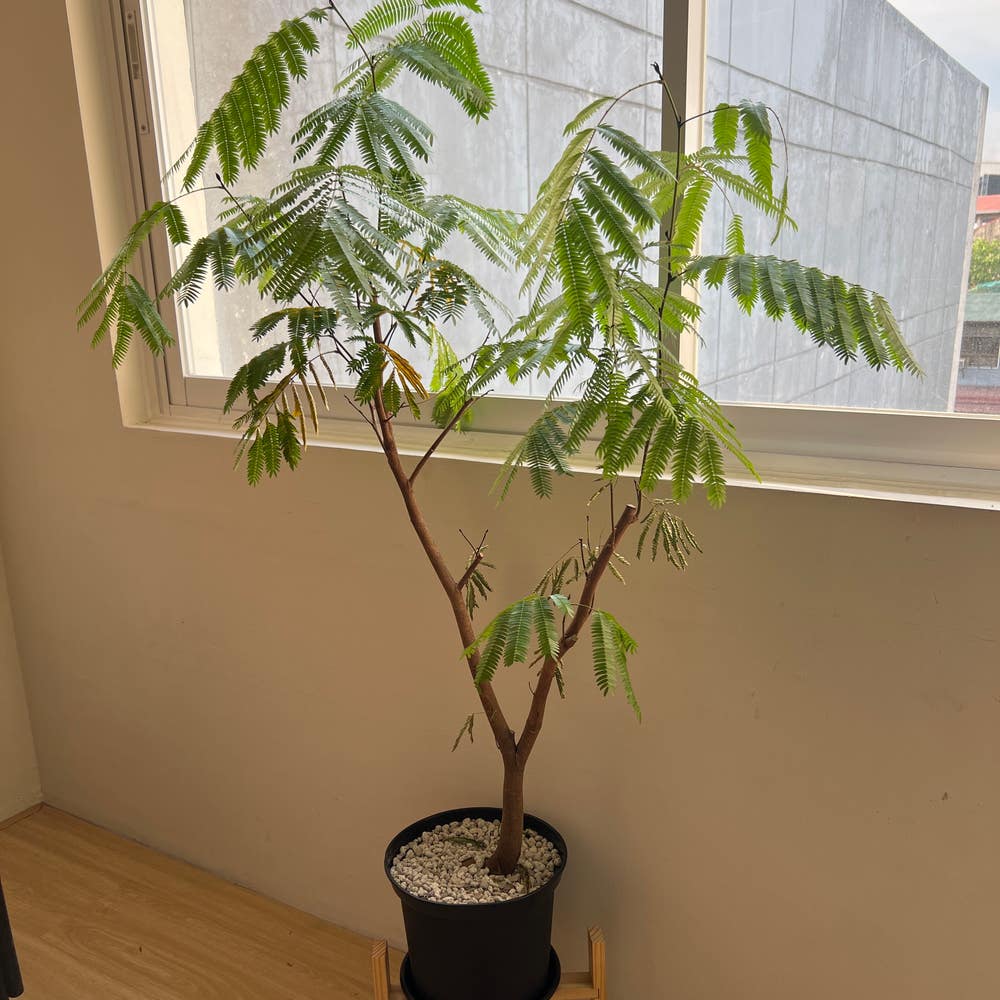
During the vegetative growth stage, the Formosa tree experiences rapid vertical growth. This phase is characterized by a broadening canopy that creates a lush, green silhouette.
As the tree matures, you'll notice an increase in leaf size and a diversity of shapes. This transformation not only enhances the tree's aesthetic appeal but also improves its ability to photosynthesize effectively.
⏳ Duration and Conditions for Optimal Growth
This significant growth phase typically lasts between 3 to 5 years. To ensure the tree thrives, it requires full sun exposure, which fuels its rapid development.
Regular watering is crucial during this stage, as it helps maintain the moisture levels necessary for healthy growth. Additionally, planting in nutrient-rich soil provides the essential elements for robust development.
Pruning plays a vital role in this stage, encouraging bushier growth and enhancing air circulation. This practice not only shapes the tree but also promotes overall health and vitality.
As the Formosa tree progresses through its vegetative growth, it sets the foundation for the next stages of its life cycle. Understanding these conditions will help you nurture a thriving tree that flourishes for years to come.
Flowering Stage
Timing of Flowering 🌸
The flowering stage of the Formosa tree typically occurs from late spring to early summer. This timing can vary based on climate conditions and the overall health of the tree.
Characteristics of Flowers 🌼
During this stage, the Formosa tree showcases large, showy blooms that are not just beautiful but also attract pollinators. These flowers come in vibrant hues, adding a striking aesthetic appeal to any landscape.
As the tree matures, the flowering stage becomes a highlight of its life cycle, marking a period of beauty and ecological importance. Understanding this phase is crucial for anyone looking to cultivate these stunning trees.
Next, we'll explore the seed production stage, where the magic of pollination leads to new life.
Seed Production Stage
Process of Seed Production 🌼
The seed production stage is a fascinating phase in the life of the Formosa tree. Pollination primarily occurs through insects, although some self-pollination can take place.
Once pollination happens, the tree begins developing pods that will eventually contain seeds. This process is crucial for the continuation of the species and showcases the intricate relationships between plants and pollinators.
Duration and Conditions for Seed Maturation ⏳
After pollination, it typically takes about 2-3 months for seeds to mature fully. During this time, warm temperatures and adequate moisture are essential for healthy seed development.
These conditions ensure that the seeds are robust and ready for the next phase of their life cycle. Understanding this stage is vital for anyone interested in cultivating Formosa trees or enhancing their growth in a garden setting.
As we move forward, we'll explore how long it takes for these trees to reach their full height and the factors that influence their growth rate.
Growth Rate and Maturation
How Long Until Fully Grown? 🌳
The Formosa tree typically takes about 10 to 15 years to reach its full height. This maturation period can vary based on several factors, including soil quality, water availability, and sunlight exposure.
Factors Affecting Growth Rate 🌱
Soil fertility plays a crucial role in the growth rate of the Formosa tree. Nutrient-rich soils can significantly promote faster growth.
Consistent watering is essential, especially during the early stages of development. Without adequate moisture, the tree may struggle to establish itself.
Climate conditions also impact growth. Warm, humid environments are particularly favorable, allowing the tree to thrive and grow more rapidly.
Average Growth Rate 📈
Under optimal conditions, the Formosa tree can grow up to 1 meter (3.3 feet) per year. This impressive growth rate highlights the importance of providing the right environment and care for the tree's development.
As we explore the next phase of the Formosa tree's life cycle, we will delve into the notable changes that occur throughout its growth stages.
Notable Changes Throughout Life
🌱 Physical Changes During Each Growth Stage
The life of a Formosa tree is marked by distinct physical transformations.
Germination kicks off the journey, where the seed transitions into a seedling, showcasing its first tender leaves.
As it enters the seedling stage, the tree develops a sturdy trunk and broader leaves, establishing a foundation for future growth.
During the vegetative growth stage, the tree expands its canopy, and leaf size increases, signaling robust health and vitality.
Finally, in the flowering stage, large, vibrant flowers emerge, followed by the formation of seed pods, completing the cycle of life.
🌳 Changes in Environmental Needs as the Tree Matures
As the Formosa tree matures, its environmental needs evolve significantly.
Initially, watering requirements are high, but these decrease as the tree establishes a deep root system, allowing it to access moisture more efficiently.
Nutrient needs also shift over time, transitioning from a focus on high nitrogen to a more balanced fertilization approach, ensuring sustained health and growth.
🧬 Impact of Age on Reproductive Capabilities
Age plays a crucial role in the reproductive capabilities of the Formosa tree.
Typically, the tree reaches early reproductive maturity around 5 to 7 years, beginning its contribution to the ecosystem.
However, as the tree ages, particularly after 50 years, a decline in reproductive output may occur, influenced by overall health and environmental conditions.
Understanding these changes not only highlights the resilience of the Formosa tree but also emphasizes the importance of nurturing it throughout its life stages.
With this knowledge, we can better appreciate the journey of this magnificent tree and the care it requires to thrive.
⚠️ Safety First
This content is for general information and may contain errors, omissions, or outdated details. It is not medical, veterinary advice, or an endorsement of therapeutic claims.
Always consult a qualified healthcare professional before using any plant as food, medicine, or supplement.
Never eat any plant (or feed one to pets) without confirming its identity with at least two trusted sources.
If you suspect poisoning, call Poison Control (800) 222-1222, the Pet Poison Helpline (800) 213-6680, or your local emergency service immediately.
Spotted an error? Please report it here.
Master the growth stages of your Formosa tree 🌱 with Greg's tailored care tips that ensure optimal conditions for every phase, from germination to blooming!