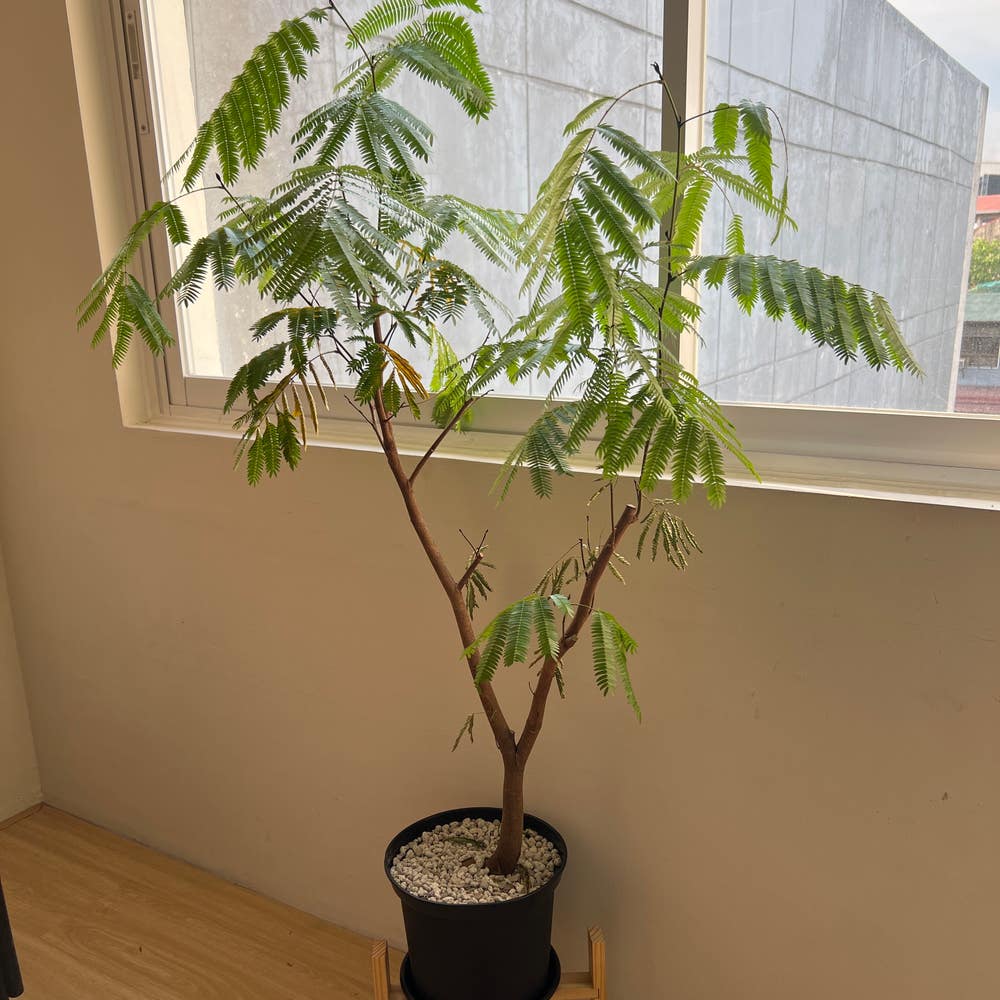
🌳 Formosa Tree Hardiness Zones: 6a-9b
Albizia julibrissin
By the Greg Editorial Team
Nov 25, 2024•6 min read
This article was created with the help of AI so we can cover more plants for you. May contain errors. See one? Report it here.
Master temperature tolerance 🌡️ to ensure your Formosa trees thrive in any climate!
- 🌳 Formosa trees thrive in zones 6a-9b, tolerating temperatures from 0°F to 100°F.
- ❄️ Frost damage signs include blackened leaves and stunted growth; monitor closely.
- ☀️ Full sun and well-drained soil are essential for healthy Formosa tree growth.
Temperature Tolerance
❄️ Cold Tolerance Specifics
Understanding cold tolerance is crucial for selecting the right Formosa trees for your garden. In USDA hardiness zones 6a to 9b, the minimum temperatures range from 0°F to 20°F, which can significantly impact tree health.
Frost can hinder growth and flowering, leading to reduced yields. Signs of frost damage include blackened leaves, stunted growth, and premature leaf drop, all of which can be detrimental to your trees.
🔥 Heat Tolerance Specifics
On the flip side, heat tolerance is equally important. The maximum temperatures for zones 6a to 9b can reach up to 100°F, which poses challenges for tree vitality.
Prolonged heat can stress trees, making them more susceptible to pests and diseases. Ensuring adequate moisture availability during these hot spells is vital for maintaining tree health and resilience.
🌱 Ideal Temperature Ranges for Growth
For optimal growth, Formosa trees thrive in temperatures between 60°F and 80°F. Seasonal temperature variations can influence growth cycles, with warmer springs promoting earlier blooming and fruiting.
Understanding these temperature dynamics helps you create the best environment for your trees, ensuring they flourish throughout the year. As we explore ideal growing regions next, consider how these temperature tolerances play a role in selecting the right location for your trees.
Ideal Growing Regions
🌍 Examples of US States in Zones 6a-9b
Several states in the U.S. fall within the hardiness zones 6a to 9b, making them ideal for cultivating Formosa trees. Notable states include:
- North Carolina: Particularly in the coastal and southern regions.
- Texas: The eastern and central parts offer favorable conditions.
- California: Coastal areas and the southern regions are prime spots.
- Florida: Almost the entire state is suitable due to its warm climate.
- Georgia: The northern and central areas provide excellent growth opportunities.
These states not only support growth but also have specific regions that enhance the thriving potential of Formosa trees.
🌱 Factors Contributing to Ideal Conditions
To flourish, Formosa trees require specific environmental conditions.
Soil Type Preferences
Well-drained soils are crucial for healthy growth. They prevent waterlogging, which can lead to root rot and other issues.
Sunlight Requirements
Full sun exposure is essential for optimal growth. It encourages robust flowering and overall vitality.
Rainfall Patterns
Consistent rainfall patterns significantly influence growth. Adequate moisture supports healthy development, while drought conditions can hinder tree health.
📊 Comparison of Regions Within Suitable Zones
Climate conditions can vary widely across states in zones 6a-9b.
Some regions may experience milder winters, while others face harsher conditions.
Local climate factors, such as elevation and proximity to bodies of water, can also impact growth potential.
Understanding these variations helps gardeners select the best locations for planting Formosa trees, ensuring they thrive in their chosen environment.
As we explore the next section, we'll delve into the fascinating world of microclimates and their significant impact on tree growth.
Microclimates and Their Impact
🌦️ Definition and Importance
Microclimates are localized climate variations that differ from the general climate of a larger area. They can be influenced by various factors, such as elevation, proximity to bodies of water, and urban development.
🌍 Factors Creating Microclimates
- Elevation: Higher altitudes often experience cooler temperatures, which can protect plants from heat stress.
- Proximity to Water: Areas near lakes or rivers tend to have milder temperatures and increased humidity, benefiting plant growth.
- Urban Heat Islands: Cities can create warmer microclimates due to concrete and asphalt absorbing heat, which can extend growing seasons.
🌱 Extending Growing Range
Microclimates can enable successful growth of plants outside their typical hardiness zones. By taking advantage of these localized conditions, gardeners can cultivate species that might otherwise struggle in their broader climate zone.
🌿 Benefits of Planting in Microclimates
- Frost Tolerance: Microclimates can provide shelter from frost, allowing for earlier planting and extended harvests.
- Temperature Moderation: They help maintain more stable temperatures, reducing stress on plants during extreme weather events.
🗺️ Examples of Beneficial Microclimates
In the United States, several regions showcase advantageous microclimates that enhance growth potential.
- California's Coastal Areas: The proximity to the Pacific Ocean creates a temperate climate, perfect for a variety of trees.
- Appalachian Mountains: Elevation changes lead to diverse microclimates, allowing for unique plant species to thrive.
📊 Case Studies of Successful Cultivation
One notable example is the cultivation of fruit trees in urban gardens. Cities like San Francisco utilize their coastal microclimate to grow citrus trees, which thrive in the mild temperatures and humidity.
Another example is the use of terraced gardens in mountainous regions, where elevation differences create distinct microclimates that support diverse plant life.
Understanding microclimates opens up exciting possibilities for gardeners and tree enthusiasts alike. By recognizing and utilizing these localized conditions, you can maximize your planting success and create a thriving landscape.
Next, we will explore state-level suitability analysis, diving deeper into which states are best suited for growing Formosa trees.
State-Level Suitability Analysis
🌳 Suitable States
Several states fall within USDA hardiness zones 6a to 9b, making them ideal for growing Formosa trees. These states include:
- North Carolina: Known for its mild winters and warm summers, it offers a favorable climate for tree growth.
- Virginia: With a temperate climate, Virginia experiences moderate temperatures that support healthy tree development.
- Tennessee: This state boasts a mix of warm summers and mild winters, creating an excellent environment for Formosa trees.
- Georgia: The warm climate and ample rainfall in Georgia provide ideal conditions for thriving trees.
- California: Particularly in the southern regions, California's warm temperatures and diverse microclimates support various tree species.
These states generally experience a balance of warm summers and mild winters, which are crucial for the growth of Formosa trees.
❌ Unsuitable States
On the flip side, some states fall outside the suitable hardiness zones for Formosa trees. These include:
- North Dakota: Characterized by harsh winters and extreme cold, making it unsuitable for growth.
- Montana: The cold temperatures and short growing season hinder the viability of Formosa trees.
- Maine: With its long, frigid winters, Maine does not provide the necessary warmth for these trees to thrive.
- Alaska: The extreme cold and limited growing season make it a challenging environment for Formosa trees.
The climate in these states is marked by severe temperature extremes and prolonged frost periods, which are detrimental to tree health.
📊 Reasons for Suitability or Unsuitability
The suitability of states for growing Formosa trees hinges on several climate factors.
- Temperature Extremes: States within zones 6a to 9b typically experience milder winters and warmer summers, allowing trees to flourish.
- Frost Dates: Early spring frosts can damage young growth, so states with later frost dates are more favorable.
- Growing Conditions: Well-drained soils and adequate sunlight are essential for healthy growth, which many suitable states provide.
In contrast, unsuitable states often face harsh winters, early frosts, and poor soil conditions, making it difficult for Formosa trees to survive. Understanding these factors can help gardeners select the best locations for planting and nurturing their trees.
As we explore further, let's delve into the concept of microclimates and how they can significantly impact tree growth potential.
⚠️ Safety First
This content is for general information and may contain errors, omissions, or outdated details. It is not medical, veterinary advice, or an endorsement of therapeutic claims.
Always consult a qualified healthcare professional before using any plant as food, medicine, or supplement.
Never eat any plant (or feed one to pets) without confirming its identity with at least two trusted sources.
If you suspect poisoning, call Poison Control (800) 222-1222, the Pet Poison Helpline (800) 213-6680, or your local emergency service immediately.
Spotted an error? Please report it here.
Cultivating thriving Formosa trees 🌳 is easy when you understand their hardiness zones, and with Greg's tailored care reminders, you'll keep them flourishing in their ideal conditions!