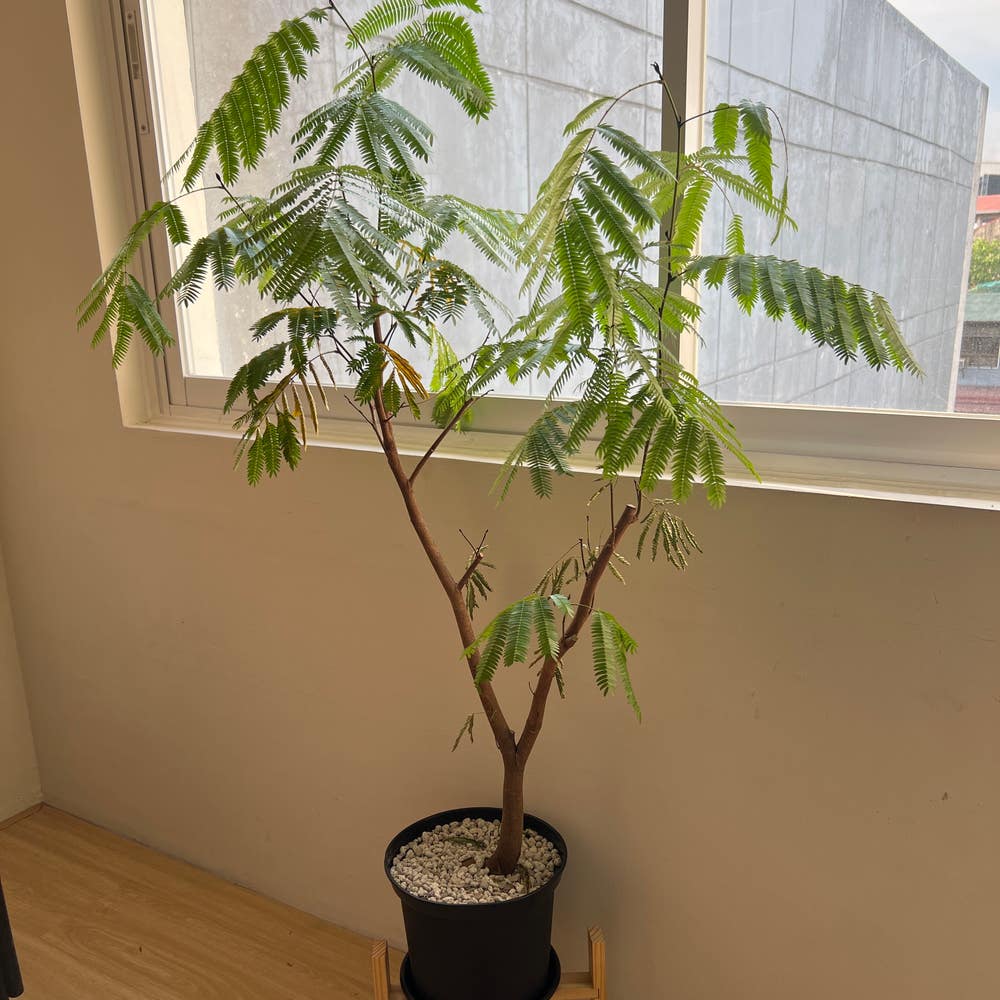
Formosa Tree: A Perennial Plant
Albizia julibrissin
By the Greg Editorial Team
Nov 25, 2024•6 min read
This article was created with the help of AI so we can cover more plants for you. May contain errors. See one? Report it here.
Unleash the beauty and resilience of the Formosa Tree 🌳, a perennial that transforms your garden year after year! 🌸
- 🌳 Formosa Tree thrives for decades, regrowing from its strong root system each year.
- 🌼 Blooms attract pollinators in late spring, enhancing garden aesthetics and biodiversity.
- 🌱 Adaptable to various climates, it requires minimal maintenance once established.
Characteristics of Formosa Tree as a Perennial
🌱 Multi-Year Lifecycle
The Formosa Tree is remarkable for its ability to regrow from the same root system each year. This resilience is a defining characteristic of perennials, allowing them to thrive season after season.
🔄 Lifecycle Stages
The lifecycle of the Formosa Tree can be broken down into several key stages:
- Germination and Establishment: This initial phase is crucial as the seeds sprout and establish their roots in the soil.
- Growth Phases: The tree progresses through vegetative growth, where it develops leaves and stems, followed by flowering, and eventually dormancy.
Each stage plays a vital role in the overall health and sustainability of the plant.
🌳 Importance of Root Regeneration
Root regeneration is essential for the Formosa Tree's longevity. A robust root system not only supports the tree's growth but also enhances its ability to absorb nutrients and withstand environmental stresses. This regenerative capability ensures that the tree can bounce back each year, making it a reliable choice for gardeners.
In summary, understanding the multi-year lifecycle of the Formosa Tree highlights its resilience and adaptability. This knowledge sets the stage for exploring its flowering cycles and expected lifespan, which are crucial for maximizing its beauty and benefits in your garden.
Flowering and Lifespan
🌸 Flowering Cycles
The Formosa Tree showcases a captivating display of flowers that typically bloom in the warmer months. Peak bloom periods often occur in late spring to early summer, creating a vibrant spectacle that attracts a variety of pollinators.
These flowers are not just beautiful; they come in an array of colors and sizes, making them a visual delight. Their bright hues and fragrant scents play a crucial role in luring bees, butterflies, and other beneficial insects, ensuring the tree's reproductive success.
⏳ Expected Lifespan
In optimal conditions, the Formosa Tree can live for several decades, providing long-lasting beauty and ecological benefits. However, its lifespan can be influenced by several factors.
Soil quality and drainage are critical; well-drained, nutrient-rich soil promotes healthier growth. Additionally, water availability and local climate conditions can significantly impact its longevity, as too much or too little water can stress the plant.
Lastly, pest and disease resistance are vital for sustaining the Formosa Tree's life. Regular monitoring and care can help mitigate these risks, ensuring that your tree thrives for years to come.
As we explore the next section, we'll delve into the dormancy and seasonal changes that affect the Formosa Tree, highlighting its remarkable adaptability.
Dormancy and Seasonal Changes
Dormancy Periods 🌙
Dormancy is a crucial phase for perennial plants like the Formosa Tree. It allows the plant to conserve energy and resources during unfavorable conditions, ensuring its survival through harsh seasons.
Typically, dormancy is triggered by seasonal changes, particularly as temperatures drop in late fall. This period can last several months, depending on the climate, allowing the tree to rest and rejuvenate.
Seasonal Changes 🌼
The Formosa Tree experiences significant changes with the seasons. In winter, growth comes to a halt, and the tree conserves energy, preparing for the next cycle of life.
As spring arrives, the Formosa Tree resumes growth, bursting forth with new leaves and blossoms. This remarkable adaptation ensures that the tree thrives, even in fluctuating weather conditions.
Understanding these dormancy and seasonal changes helps gardeners appreciate the resilience of the Formosa Tree. By recognizing its natural rhythms, you can better support its growth and health throughout the year.
Next, let’s explore the advantages this perennial plant offers to gardeners, highlighting its long-term benefits and sustainability.
Advantages for Gardeners
Benefits of Reduced Replanting 🌱
Planting Formosa Trees is a smart long-term investment. Once established, these perennials thrive year after year, saving you the hassle and cost of replanting.
This sustainability not only benefits your wallet but also the environment. Established plants contribute to soil health and provide habitats for local wildlife, creating a thriving ecosystem in your garden.
Importance of Established Root Systems 🌳
The root system of the Formosa Tree plays a crucial role in nutrient and water absorption. A robust root network allows the tree to access essential resources, ensuring healthy growth even in challenging conditions.
Moreover, these established roots provide stability and resilience. They help the Formosa Tree withstand varying weather patterns, making it a reliable choice for gardeners looking for low-maintenance beauty.
With these advantages, the Formosa Tree stands out as a perennial that not only enhances your garden but also supports sustainable practices. As we explore the next section, we'll delve into how climate zones influence the growth and flowering of this remarkable plant.
Climate Zone Variations
🌍 Variations in Behavior Across Climates
Climate zones play a crucial role in the growth patterns and flowering of the Formosa Tree. Variations in temperature, rainfall, and sunlight exposure can significantly influence how this perennial plant thrives.
In warmer climates, the Formosa Tree may experience extended growth periods and more frequent flowering. Conversely, in cooler regions, its growth may slow down, leading to shorter blooming seasons.
🌱 Adaptability of Formosa Tree to Different Environments
One of the remarkable traits of the Formosa Tree is its adaptability. This plant can adjust to various environmental conditions, making it a versatile choice for gardeners.
Whether in a humid tropical climate or a drier, temperate zone, the Formosa Tree can flourish with the right care. Its resilience allows it to withstand fluctuations in weather, ensuring a vibrant display year after year.
🌟 Tips for Maximizing Benefits
To get the most out of your Formosa Tree, consider these best practices for planting and care across different climates.
Soil Amendments for Improved Drainage
Enhancing soil drainage is vital for the health of the Formosa Tree. Adding organic matter, like compost, can help create a well-draining environment that prevents root rot.
Mulching Techniques to Retain Moisture
Mulching is an effective way to retain moisture during dry spells. A layer of organic mulch around the base of the tree can help regulate soil temperature and reduce evaporation.
Timing of Planting to Align with Local Climate Conditions
Timing is everything when it comes to planting. Align your planting schedule with local climate conditions to ensure your Formosa Tree establishes itself effectively.
By following these tips, you can help your Formosa Tree thrive, no matter where you live. As we explore the next section, we’ll delve into the advantages this perennial plant offers for gardeners.
⚠️ Safety First
This content is for general information and may contain errors, omissions, or outdated details. It is not medical, veterinary advice, or an endorsement of therapeutic claims.
Always consult a qualified healthcare professional before using any plant as food, medicine, or supplement.
Never eat any plant (or feed one to pets) without confirming its identity with at least two trusted sources.
If you suspect poisoning, call Poison Control (800) 222-1222, the Pet Poison Helpline (800) 213-6680, or your local emergency service immediately.
Spotted an error? Please report it here.
The Formosa Tree is a resilient perennial that can thrive for decades, and with Greg's customized care tips 🌱, you'll keep it blooming beautifully year after year!