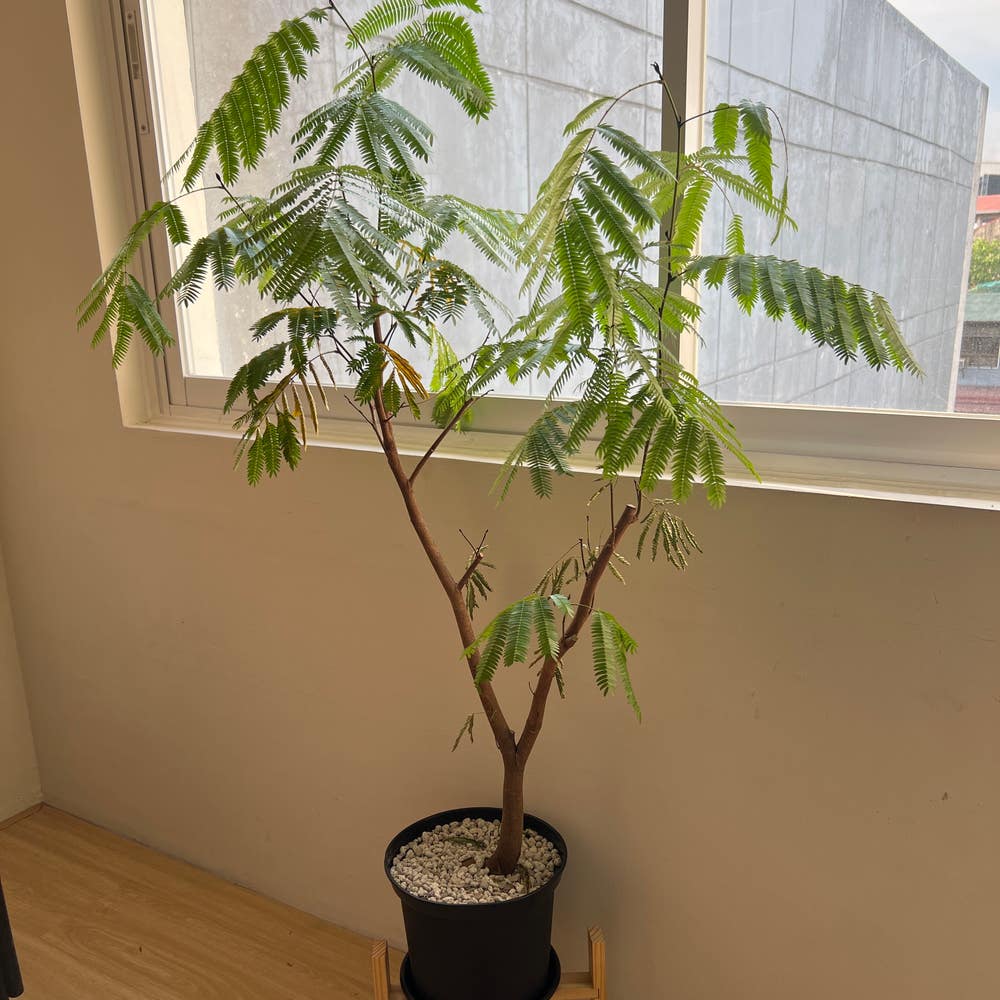
How to Cure Dropping Leaves on Your Formosa Tree
Albizia julibrissin
By the Greg Editorial Team
Nov 25, 2024•5 min read
This article was created with the help of AI so we can cover more plants for you. May contain errors. See one? Report it here.
Transform your Formosa tree's health and prevent leaf drop with these expert care tips! 🌿
- 🌿 Identify leaf drop symptoms: look for yellowing, browning, and unexpected leaf fall.
- 💧 Overwatering and underwatering both cause leaf drop; maintain consistent moisture levels.
- 🐛 Check for pests regularly; spider mites and aphids weaken your Formosa tree.
Diagnosing Leaf Drop Issues
🌿 Identifying Symptoms of Leaf Drop
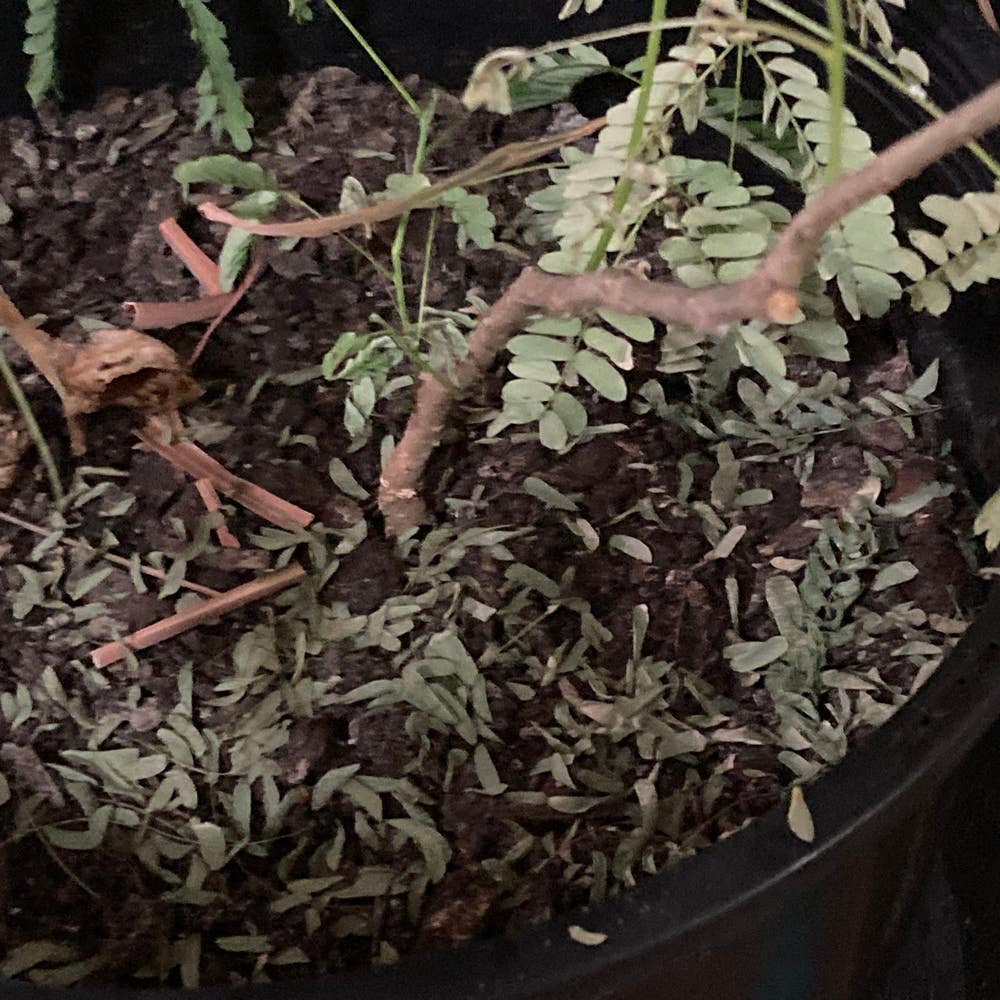
When your Formosa tree starts dropping leaves, the first step is to identify the symptoms. Look for visual signs such as yellowing, browning, or leaves falling off unexpectedly.
Additionally, pay attention to the leaf texture. Changes in texture can indicate stress, signaling that your plant needs immediate care.
🌍 Assessing Environmental Conditions
Next, assess the environmental conditions surrounding your tree. Start by checking the soil moisture levels; soggy soil can lead to root rot, while overly dry soil can cause stress.
Temperature and humidity also play crucial roles in your plant's health. Use a hygrometer and thermometer to ensure your Formosa tree is in an optimal environment.
🐛 Checking for Pests and Diseases
Pests can be a significant factor in leaf drop. Common culprits include spider mites and aphids, which can weaken your plant if left untreated.
Look for disease symptoms as well. Signs of fungal infections or root rot can be detrimental, so early detection is key to saving your tree.
By carefully diagnosing these issues, you can take the necessary steps to restore your Formosa tree's health. Next, let’s explore how to prevent leaf drop from occurring in the first place.
Preventing Leaf Drop
Proper Watering Techniques 🌊
Maintaining a consistent watering schedule is crucial for your Formosa tree. Adjust the frequency based on the season and the size of your plant to ensure it receives the right amount of moisture.
Soil drainage plays a vital role in preventing root rot. Always use well-draining soil to allow excess water to escape, keeping your tree healthy and thriving.
Nutrient Management and Fertilization 🌱
A monthly fertilization schedule during the growing season can significantly enhance your tree's health. This regular feeding provides essential nutrients that support robust growth.
Opt for balanced NPK fertilizers to ensure your Formosa tree receives a well-rounded diet. These fertilizers contain nitrogen, phosphorus, and potassium, which are key to promoting vibrant foliage.
Ideal Light and Humidity Conditions ☀️
Finding the right light placement is essential for your indoor Formosa tree. Position it in a spot that receives bright, indirect sunlight for optimal growth.
Humidity is another critical factor. Consider using humidifiers or pebble trays to maintain adequate moisture levels in the air, creating a comfortable environment for your tree.
By implementing these preventive measures, you can significantly reduce the chances of leaf drop and keep your Formosa tree flourishing. Next, we’ll explore effective methods for treating leaf drop when it occurs.
Treating Leaf Drop
🌱 Step-by-Step Guide to Remedying Leaf Drop
To effectively treat leaf drop on your Formosa tree, start by assessing your watering practices. Adjust your watering frequency based on the soil moisture levels to ensure your plant receives just the right amount of hydration.
Next, inspect for pests. Use a magnifying glass for a detailed inspection, focusing on the undersides of leaves where spider mites and aphids often hide.
Finally, adjust light exposure. If your plant isn’t thriving, consider moving it to a location with better light conditions.
🔍 Adjusting Care Based on Diagnosis
Understanding the cause of leaf drop is crucial for effective treatment.
- Overwatering: If the soil feels soggy, reduce your watering frequency and improve drainage to prevent root rot.
- Underwatering: If the soil is dry, gradually increase your watering to rehydrate the plant without shocking it.
- Nutrient Deficiency: If you suspect a lack of nutrients, apply an appropriate fertilizer to support healthy growth.
🛠️ Recommended Products for Treatment
Using the right products can make a significant difference in your plant's recovery.
- Pest Control: Consider using neem oil or insecticidal soap for effective pest management. These options are gentle yet effective against common pests.
- Soil Amendments: To improve drainage, incorporate perlite or sand into your soil mix. This will help prevent future issues related to water retention.
By following these steps and recommendations, you can help your Formosa tree bounce back from leaf drop and thrive once again. Next, let’s explore long-term care strategies to maintain healthy foliage and prevent future problems.
Long-term Care for Formosa Tree
Best Practices for Maintaining Healthy Foliage 🌿
Regular pruning is essential for your Formosa tree. By removing dead or damaged leaves, you encourage new growth and keep your plant looking vibrant.
Monitoring soil health is equally important. Regularly check the pH and nutrient levels to ensure your tree has the right conditions for thriving.
Seasonal Care Adjustments 🌦️
As seasons change, so should your care routine. In winter, reduce watering and adjust light exposure to prevent stress on the plant.
Conversely, during summer, increase humidity and watering frequency. This helps your Formosa tree cope with the heat and maintain its lush appearance.
Monitoring Plant Health Regularly 🔍
Conduct weekly inspections to catch any signs of stress or pests early. This proactive approach can save your tree from serious issues down the line.
Additionally, keep a record of changes in care and the plant's response. Documenting this information helps you refine your care strategy over time.
By following these long-term care practices, your Formosa tree will flourish, bringing beauty and life to your space. Next, let’s explore how to treat leaf drop effectively.
⚠️ Safety First
This content is for general information and may contain errors, omissions, or outdated details. It is not medical, veterinary advice, or an endorsement of therapeutic claims.
Always consult a qualified healthcare professional before using any plant as food, medicine, or supplement.
Never eat any plant (or feed one to pets) without confirming its identity with at least two trusted sources.
If you suspect poisoning, call Poison Control (800) 222-1222, the Pet Poison Helpline (800) 213-6680, or your local emergency service immediately.
Spotted an error? Please report it here.
Revitalize your Formosa tree and prevent leaf drop 🌱 with Greg's tailored care reminders and expert tips for thriving foliage!