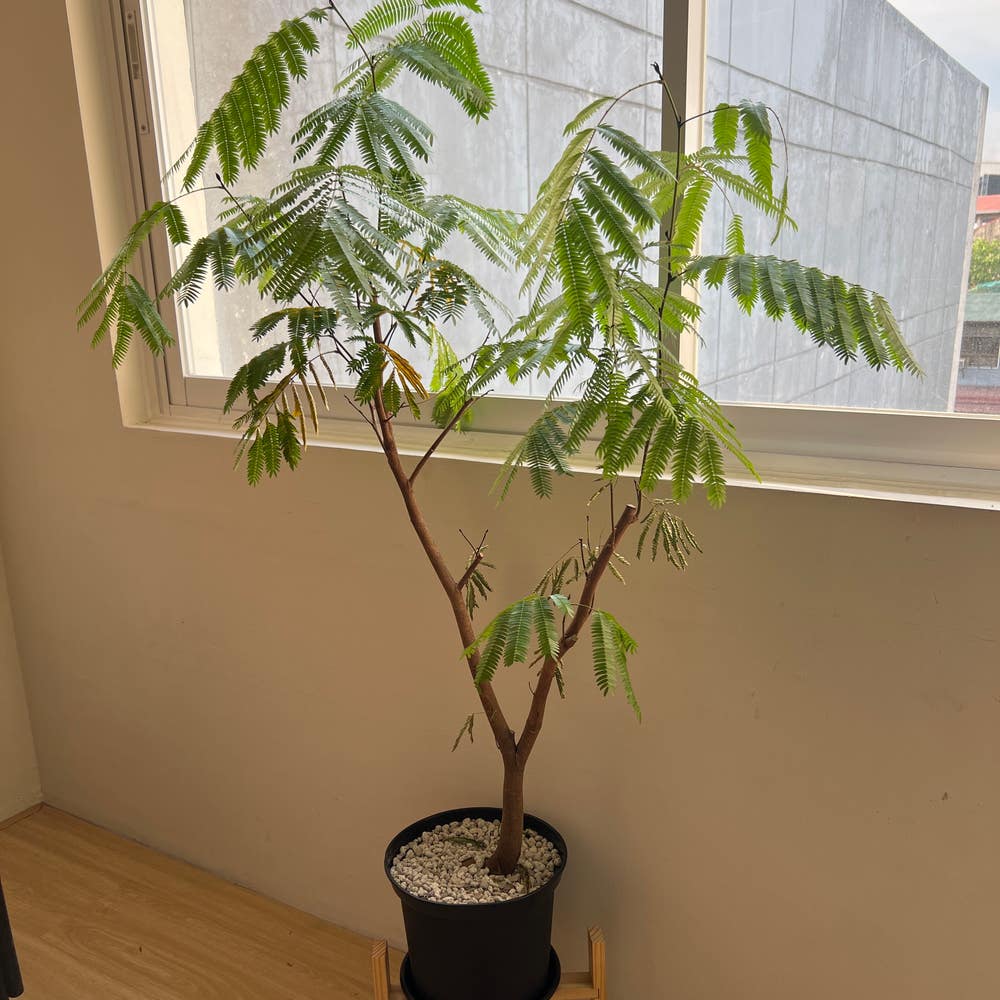
🌳 Silk Tree: A Perennial Plant
Albizia julibrissin
By the Greg Editorial Team
Oct 11, 2024•5 min read
This article was created with the help of AI so we can cover more plants for you. May contain errors. See one? Report it here.
Unlock your garden's potential with the resilient Silk Tree, a stunning and eco-friendly perennial! 🌳✨
- 🌳 Silk Trees are perennials, regrowing from roots annually for decades of beauty.
- 🌸 They bloom stunning pink flowers in summer, attracting pollinators and enhancing biodiversity.
- 🌱 Deep roots ensure survival in various conditions, reducing replanting needs for gardeners.
Characteristics of Silk Tree as a Perennial
🌱 Multi-Year Lifecycle
The Silk Tree is a perennial marvel, regrowing from the same roots each year. Unlike annuals that complete their lifecycle in one season or biennials that take two, the Silk Tree showcases impressive longevity, thriving for decades.
📈 Growth Patterns
In spring, the Silk Tree bursts into rapid growth, quickly filling out with lush foliage by summer. As winter approaches, it enters a dormant phase, showcasing its resilience and adaptability to various environmental conditions.
This adaptability allows the Silk Tree to flourish in different settings, making it a favorite among gardeners. Whether in a sunny backyard or a more shaded area, it finds a way to thrive, proving its worth as a perennial plant.
With its unique lifecycle and growth patterns, the Silk Tree not only beautifies gardens but also stands as a testament to nature's enduring strength. As we explore its flowering cycles next, we'll uncover how this tree continues to captivate with its stunning blooms.
Flowering and Lifespan
🌸 Flowering Cycles
Silk Trees typically bloom from late spring to summer, showcasing their stunning feathery pink flowers. These blooms not only add beauty to your garden but also attract a variety of pollinators, making them a favorite among gardeners.
⏳ Expected Lifespan and Influencing Factors
On average, Silk Trees can live between 30 to 50 years, depending largely on their environmental conditions. Factors such as soil quality, climate, and care practices play a significant role in determining their longevity.
Understanding these elements can help you cultivate a thriving Silk Tree that enhances your garden for decades. With the right conditions, you can enjoy the vibrant blooms and lush foliage year after year.
As we explore the dormancy and seasonal changes of the Silk Tree, we'll see how these factors further influence its growth and resilience.
Dormancy and Seasonal Changes
🌱 Dormancy Periods
Dormancy is a natural phase for the Silk Tree, allowing it to conserve energy during the colder months. During this time, the tree sheds its leaves and significantly reduces its activity.
Signs of dormancy are easy to spot. You’ll notice the tree’s branches become bare, and its vibrant energy fades as it prepares for the chill ahead.
🍂 Seasonal Changes and Growth Impact
Seasonal changes play a crucial role in the growth of the Silk Tree. Temperature and light fluctuations directly influence its regrowth, determining when it will burst back to life in spring.
To survive winter, the Silk Tree employs several smart strategies. It relies on its deep root system to access moisture and nutrients, ensuring it can thrive even in less-than-ideal conditions.
Understanding these dormancy and seasonal changes is key to appreciating the resilience of the Silk Tree. As we move forward, let’s explore the advantages of its perennial nature and how it benefits gardeners.
Advantages of Perennial Nature
🌱 Benefits for Gardeners
One of the standout advantages of the Silk Tree is its perennial nature, which significantly reduces the need for replanting. This not only saves you money but also cuts down on labor, allowing you to enjoy your garden without the hassle of starting over each year.
Additionally, Silk Trees develop established root systems that enhance stability and nutrient uptake. This means they can thrive in various conditions, making them a reliable choice for any garden.
🌳 Long-Term Benefits
Beyond immediate gardening benefits, Silk Trees contribute to biodiversity, supporting local ecosystems. By planting these trees, you're helping create a habitat for various wildlife, which is essential for a balanced environment.
Moreover, the aesthetic appeal of Silk Trees is undeniable. With their feathery pink blooms and lush foliage, they provide year-round interest, ensuring your garden remains vibrant through the seasons.
Incorporating Silk Trees into your landscape not only beautifies your space but also fosters a thriving ecosystem. As you plan your garden, consider the lasting impact these perennials can have, both visually and environmentally.
Variations Across Climate Zones
🌳 Silk Tree Behavior in Different Climates
Silk Trees are remarkably adaptable, thriving in both warm temperate and tropical regions. In these climates, they exhibit varied growth habits and flowering times, responding dynamically to local environmental conditions.
In warm temperate areas, Silk Trees may bloom earlier in the season, while in tropical climates, they often enjoy a longer flowering period. This adaptability allows them to flourish, showcasing their vibrant feathery pink blooms in response to the unique climate of each region.
🌦️ Adaptations to Varying Conditions
Silk Trees demonstrate impressive resilience across different soil types and moisture levels. Whether in sandy, loamy, or clay-rich soils, they find a way to establish themselves and thrive.
To survive in less-than-ideal conditions, Silk Trees employ several strategies. They develop deep root systems that help them access water and nutrients, ensuring their longevity even when faced with drought or poor soil quality. This adaptability makes them a valuable addition to diverse gardens, regardless of the climate.
As we explore the advantages of Silk Trees in garden planning, understanding their behavior across various climates can help you make informed decisions for your own garden.
Maximizing Benefits in Garden Planning
🌱 Tips for Long-Term Cultivation
To successfully cultivate Silk Tree as a perennial, start with proper planting techniques. Choose a location with well-drained soil and ample sunlight to encourage robust growth.
Soil preparation is crucial. Enrich the soil with organic matter to enhance fertility and drainage. Regularly check moisture levels, as Silk Trees thrive with consistent watering, especially during dry spells.
🌼 Strategies for Garden Integration
Companion planting can significantly enhance your garden's ecosystem. Pair Silk Tree with native plants that attract beneficial insects, creating a vibrant habitat.
Designing for seasonal interest is key. Plan your garden layout to ensure that Silk Tree's feathery blooms are complemented by other flowering plants, providing visual appeal throughout the year. This thoughtful integration not only beautifies your space but also supports local biodiversity.
By implementing these strategies, you can maximize the benefits of Silk Tree in your garden, ensuring it thrives for years to come. Next, let’s explore how Silk Tree behaves across different climate zones.
⚠️ Safety First
This content is for general information and may contain errors, omissions, or outdated details. It is not medical, veterinary advice, or an endorsement of therapeutic claims.
Always consult a qualified healthcare professional before using any plant as food, medicine, or supplement.
Never eat any plant (or feed one to pets) without confirming its identity with at least two trusted sources.
If you suspect poisoning, call Poison Control (800) 222-1222, the Pet Poison Helpline (800) 213-6680, or your local emergency service immediately.
Spotted an error? Please report it here.
Ensure your Silk Tree thrives for decades with Greg's personalized care tips 🌳, making your garden a vibrant haven of beauty and biodiversity!