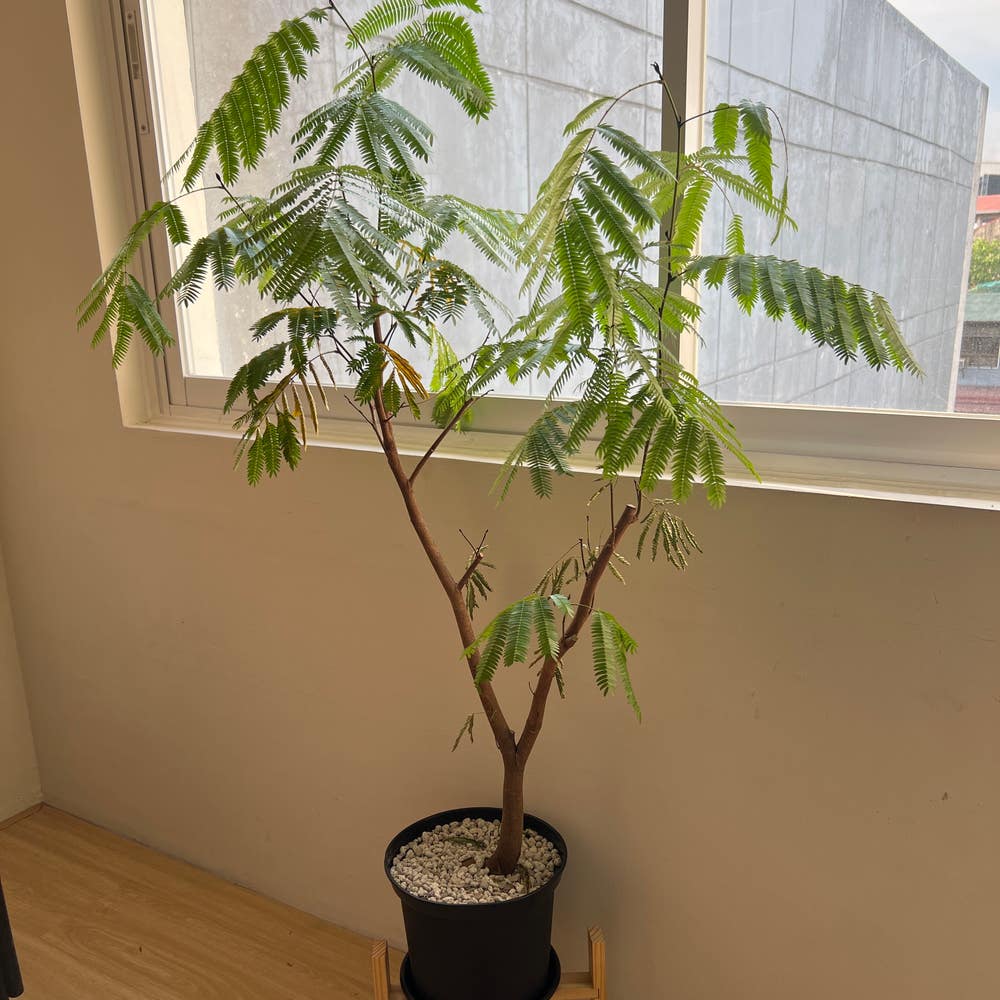
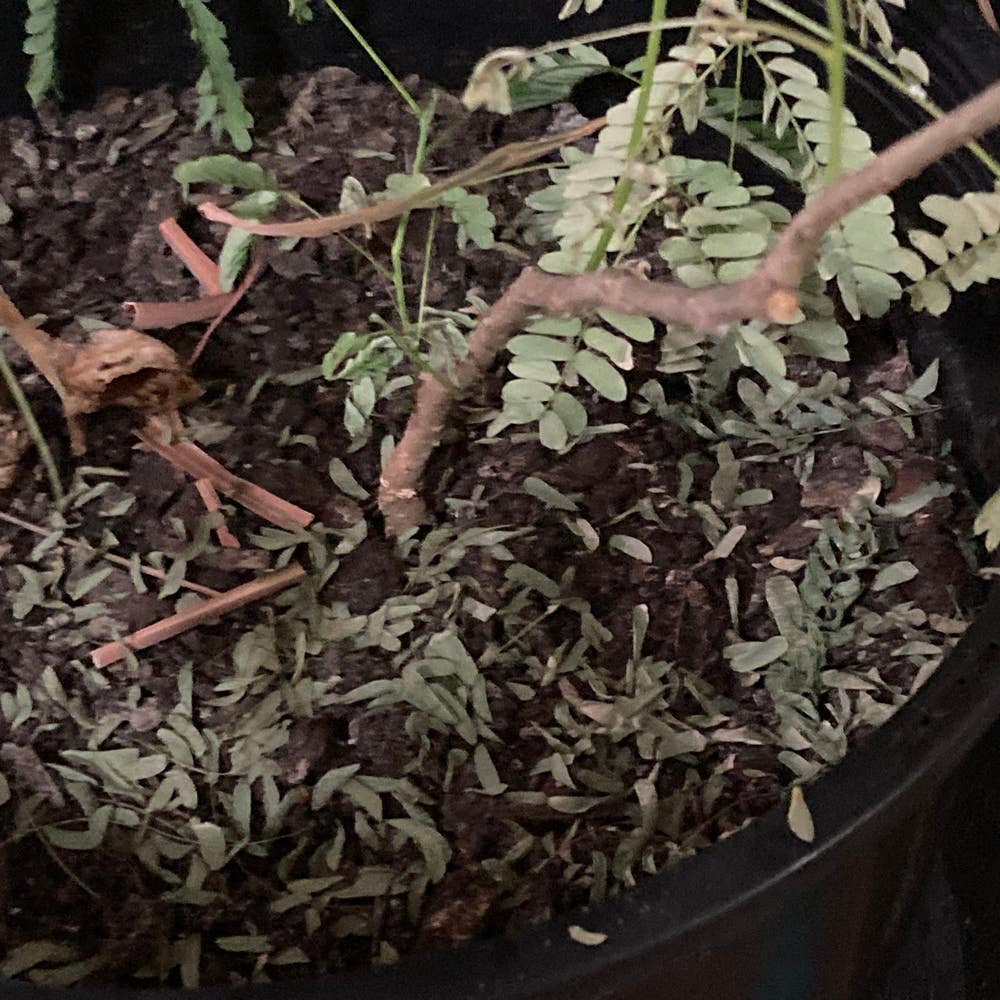
Reasons Your Silk Tree Leaves Are Turning Yellow ☀️
Albizia julibrissin
By the Greg Editorial Team
Oct 11, 2024•4 min read
This article was created with the help of AI so we can cover more plants for you. May contain errors. See one? Report it here.
Revive your silk tree's health 🌳 with essential tips to prevent yellowing leaves and ensure vibrant growth!
- 🌱 Yellow leaves indicate watering, nutrient, pest, or drainage issues.
- 💧 Check soil moisture regularly to avoid over-saturation and root rot.
- 🌿 Fertilize every 4-6 weeks to prevent nutrient deficiencies and promote growth.
Solutions for Yellowing Leaves
🌊 Adjusting Watering Practices
Proper watering is crucial for the health of your silk tree. Start by checking the soil moisture before watering to avoid over-saturation.
- Check Soil Moisture: Stick your finger about an inch into the soil. If it feels dry, it's time to water.
- Water Deeply but Infrequently: When you do water, ensure it penetrates deep into the soil. This encourages root growth.
- Adjust Frequency: Tailor your watering schedule based on the season and weather conditions. Hotter months may require more frequent watering.
🌱 Fertilizing for Nutrient Deficiencies
Nutrient deficiencies can lead to yellowing leaves. A regular fertilization schedule can help maintain vibrant foliage.
- Schedule: Fertilize every 4-6 weeks during the growing season for optimal results.
- Types of Fertilizers: Consider both organic and synthetic options. Organic fertilizers can improve soil health, while synthetic ones often provide quicker results.
🐛 Pest Control Methods
Pests can wreak havoc on your silk tree, leading to yellowing leaves. Implementing integrated pest management strategies is key.
- Strategies: Focus on monitoring, prevention, and control. Regularly inspect your plant for signs of pests.
- Recommended Products: Use neem oil, insecticidal soap, or horticultural oils to manage infestations effectively.
🌧️ Improving Soil Drainage
Good drainage is essential for preventing root rot and yellowing leaves. Here are some techniques to enhance drainage.
- Techniques: Mix perlite or sand into your soil to improve aeration and drainage.
- Proper Potting: Always ensure your pots have drainage holes. This prevents water from accumulating at the bottom.
By addressing these key areas, you can effectively combat yellowing leaves and promote a healthier silk tree. Next, let’s explore preventative measures to keep your plant thriving year-round.
Preventative Measures
Regular Monitoring of Plant Health 🌱
Routine checks are crucial for early detection of issues. By inspecting your silk tree weekly during the growing season, you can catch problems before they escalate.
Seasonal Care Tips 🌦️
Adjusting care based on the seasons is essential. Watering and fertilizing needs change, so stay attuned to your plant's requirements as the weather shifts.
Proper Planting Techniques 🌍
When planting, ensure you place your silk tree at the same depth as it was in the nursery pot. Proper spacing is also vital; it allows for air circulation and healthy growth.
Pruning and Maintenance ✂️
Regularly remove dead or yellowing leaves to promote overall plant health. The best time for pruning is late winter to early spring, setting the stage for optimal growth.
By implementing these preventative measures, you can maintain a vibrant silk tree and reduce the likelihood of yellowing leaves. Next, let’s explore when it might be necessary to seek professional help for your plant.
When to Seek Professional Help
🚨 Signs That Require Expert Intervention
If your silk tree is showing persistent yellowing or wilting despite your best care efforts, it may be time to consult a professional. These symptoms can indicate severe underlying issues that require expert diagnosis.
Ignoring these signs can lead to further decline, so don’t hesitate to seek help if you notice these troubling changes. A professional can pinpoint the exact problem and recommend effective solutions tailored to your plant's needs.
📚 Resources for Plant Care Professionals
Local extension services are a fantastic resource for accessing horticultural experts who can provide personalized advice. They often offer workshops, consultations, and valuable information on plant care.
Additionally, online plant care forums can connect you with a community of fellow plant enthusiasts. Sharing experiences and solutions can be incredibly helpful in troubleshooting your silk tree's issues.
By leveraging these resources, you can ensure your silk tree receives the best care possible. This proactive approach can make all the difference in maintaining a healthy, vibrant plant.
As you consider these options, remember that timely intervention is key to preserving your silk tree's health. Now, let's explore some preventative measures to keep your plant thriving.
⚠️ Safety First
This content is for general information and may contain errors, omissions, or outdated details. It is not medical, veterinary advice, or an endorsement of therapeutic claims.
Always consult a qualified healthcare professional before using any plant as food, medicine, or supplement.
Never eat any plant (or feed one to pets) without confirming its identity with at least two trusted sources.
If you suspect poisoning, call Poison Control (800) 222-1222, the Pet Poison Helpline (800) 213-6680, or your local emergency service immediately.
Spotted an error? Please report it here.
Keep your silk tree vibrant and healthy 🌿 by using Greg's tailored care reminders to tackle watering, nutrients, and pests before those leaves turn yellow!