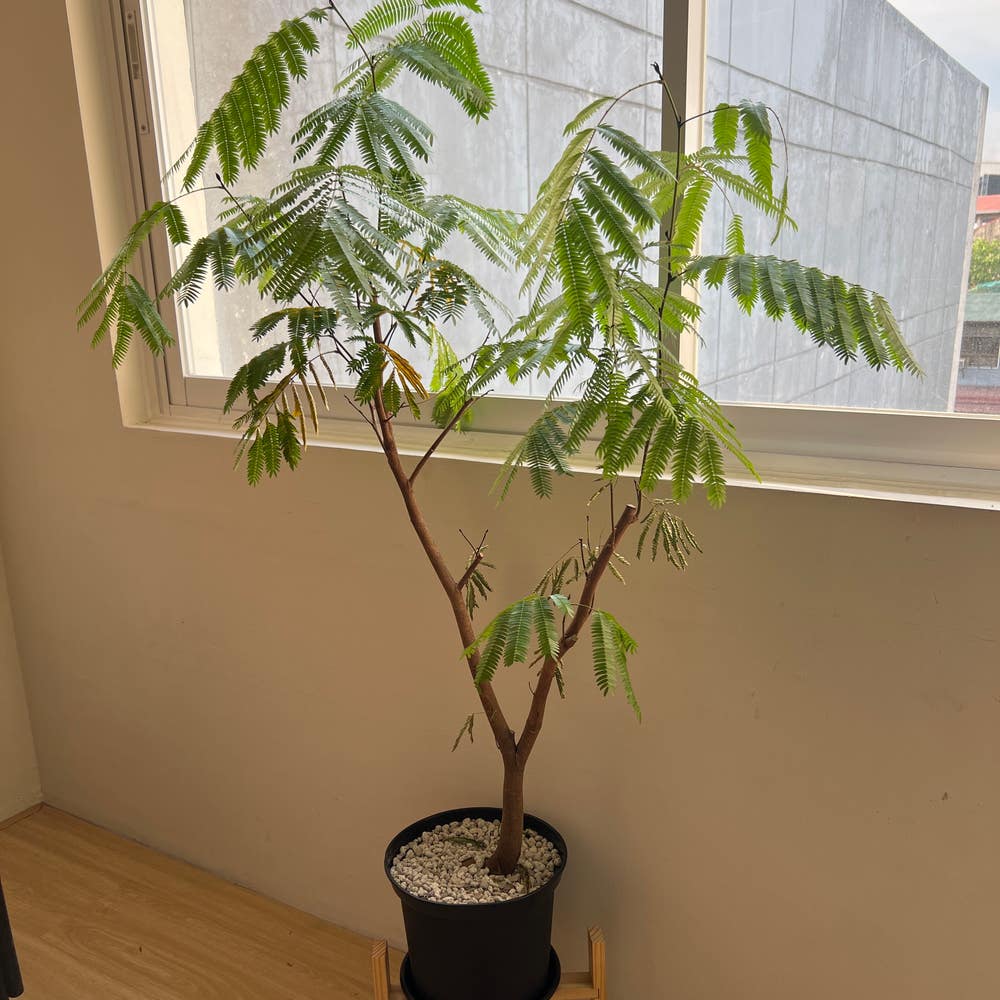
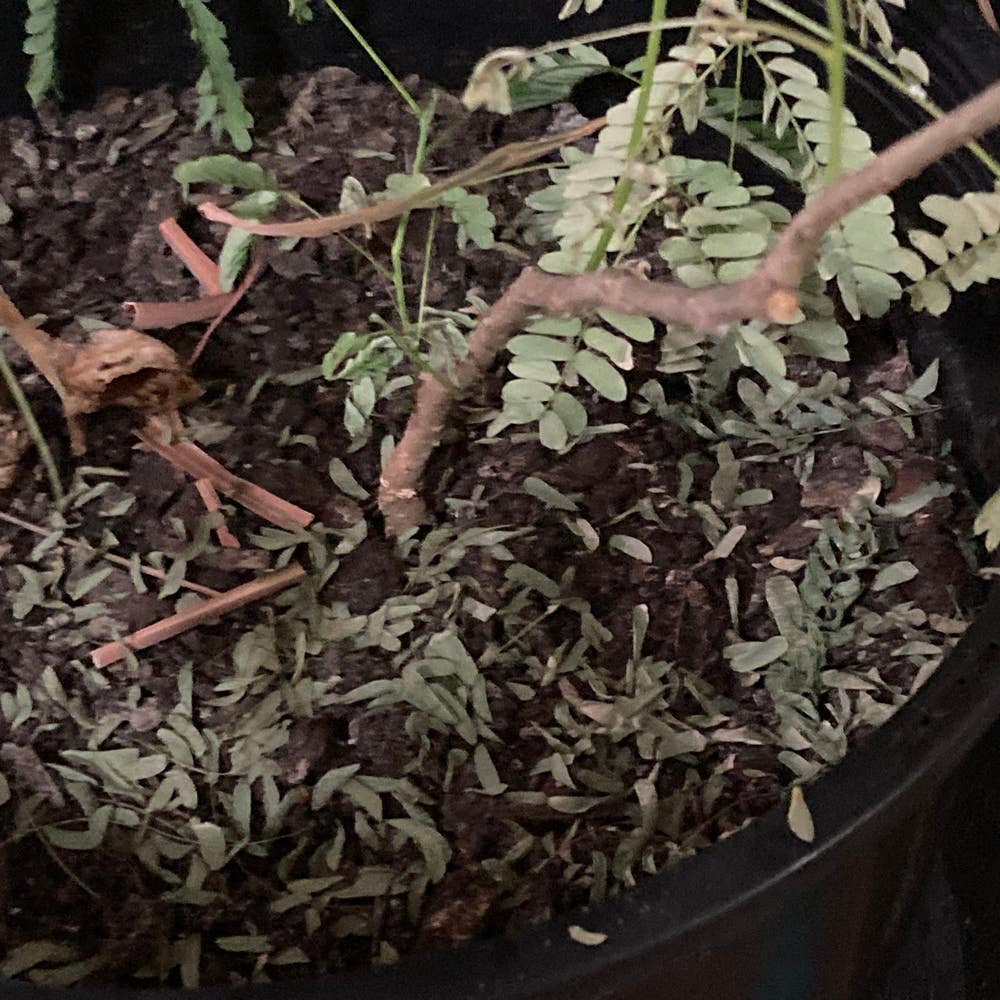
🌳 What to Do When Your Formosa Tree Leaves Turn Yellow
Albizia julibrissin
By the Greg Editorial Team
Nov 25, 2024•6 min read
This article was created with the help of AI so we can cover more plants for you. May contain errors. See one? Report it here.
Revive your Formosa tree by mastering the causes of yellowing leaves and restoring its vibrant health! 🌱
- 🌱 Yellow leaves indicate issues like nutrient deficiencies, pests, or watering problems.
- 💧 Overwatering and underwatering both cause yellowing; maintain a consistent watering schedule.
- 🌞 Environmental stress from light and humidity affects leaf health; monitor conditions regularly.
Causes of Yellowing Leaves
🥦 Nutrient Deficiencies
Nutrient deficiencies are a common culprit behind yellowing leaves on your Formosa tree. A nitrogen deficiency typically presents as pale yellow leaves, especially affecting the older foliage.
Iron deficiency, on the other hand, shows up as yellowing between the leaf veins while the veins themselves remain green. Additionally, deficiencies in potassium and magnesium can also impact leaf health, leading to further yellowing and stress.
💧 Overwatering and Root Rot
Overwatering is another significant factor that can cause yellowing leaves. Signs include wilting, yellowing foliage, and mushy roots, indicating that your tree is drowning.
Root rot can develop as a result of prolonged overwatering, leading to severe health issues for your tree. Ensuring proper soil drainage is crucial; ideal conditions allow excess water to escape, preventing root suffocation.
🌵 Underwatering and Drought Stress
Conversely, underwatering can also lead to yellowing leaves. Symptoms include crispy leaf edges and eventual leaf drop, signaling that your tree is thirsty.
If drought stress persists, it can have long-term effects on your Formosa tree's health. Addressing watering needs promptly is essential for recovery.
🐜 Pest Infestations
Pest infestations can wreak havoc on your tree, with common offenders like aphids and spider mites. These pests often cause yellowing leaves, sticky residue, and webbing on the foliage.
Regular pest monitoring and control are vital to maintaining your tree's health. Early detection can prevent significant damage and keep your Formosa thriving.
🌡️ Environmental Stress
Environmental stressors can also contribute to yellowing leaves. Temperature fluctuations can be detrimental; maintaining an ideal temperature range is crucial for your tree's well-being.
Humidity levels play a significant role too. Low humidity can lead to leaf health issues, while sudden environmental changes can shock your tree, resulting in yellowing leaves.
Understanding these causes is the first step in addressing the issue effectively. Next, we will explore how to diagnose yellow leaves and determine the best course of action.
Diagnosing Yellow Leaves
🌿 Identifying Symptoms
Yellowing leaves can signal various issues with your Formosa tree. Pay close attention to the age of the leaves affected; older leaves often show signs of nutrient deficiencies, while younger leaves may indicate environmental stress.
Inspecting your leaves regularly is crucial for early detection. Catching problems early can save your tree from further decline.
💧 Assessing Watering Practices
Evaluating your watering schedule is essential in diagnosing yellow leaves. Consider how often you water and the amount; both overwatering and underwatering can lead to yellowing.
Look for signs of overwatering, such as wilting or mushy roots, versus underwatering, which may present as crispy leaf edges. Adjusting your watering practices can make a significant difference.
🐛 Checking for Pests
Pest infestations can wreak havoc on your Formosa tree. Start by inspecting the undersides of leaves and leaf joints, where pests like aphids and spider mites tend to hide.
Look for sticky residue or webbing, which are telltale signs of pest activity. Early detection is key to effective pest management, so make this a regular part of your tree care routine.
🌱 Evaluating Soil Conditions
Soil quality plays a vital role in your tree's health. To check soil drainage, perform a simple test by digging a small hole and filling it with water; if it drains slowly, your soil may be too compacted.
Additionally, assessing soil pH and nutrient levels can provide insights into potential deficiencies. Healthy soil is the foundation for vibrant leaves.
🌤️ Observing Environmental Factors
Environmental conditions can significantly impact your tree's well-being. Regularly monitor temperature and humidity levels using simple tools like thermometers and hygrometers.
Don't overlook light exposure; ensure your tree receives adequate bright, indirect sunlight. Adjusting these factors can help prevent yellowing leaves and promote overall health.
By thoroughly diagnosing the causes of yellow leaves, you can take proactive steps to restore your Formosa tree's vitality. Next, let's explore effective treatment options to address these issues.
Treatment Options for Yellow Leaves
Adjusting Watering Schedule 🌊
Establishing a consistent watering schedule is crucial for your Formosa tree's health. Aim to water when the top inch of soil feels dry, adjusting frequency based on the season and humidity levels.
Look for signs like yellowing leaves or wilting to determine if you're over or underwatering. If leaves are drooping, it may indicate a need for more water, while crispy edges suggest too little.
Fertilization Techniques 🌱
Choosing the right fertilizer can make a significant difference in leaf color and overall vitality. Look for fertilizers with balanced NPK ratios, such as 10-10-10, and apply them according to the manufacturer's instructions.
Seasonal feeding is essential; fertilize in spring and summer when the tree is actively growing. This ensures your tree receives the nutrients it needs to thrive.
Pest Management Strategies 🐞
Pest infestations can wreak havoc on your Formosa tree, leading to yellowing leaves and other issues. Start by identifying common pests like aphids and spider mites, and choose between organic or chemical control options based on your preference.
For effective pest removal, follow these steps: inspect the leaves and stems, apply your chosen treatment, and monitor the tree closely for any signs of recurrence. Early detection is key to managing pests successfully.
Improving Soil Drainage 💧
Good drainage is vital for preventing yellow leaves caused by root rot. Enhance soil drainage by adding organic matter, such as compost, or consider using raised beds to improve water flow.
If drainage issues persist, repotting your tree into fresh, well-draining soil may be necessary. This can rejuvenate the root system and promote healthier growth.
Environmental Adjustments ☀️
Adjusting light exposure can significantly impact your tree's health. Ensure your Formosa tree receives bright, indirect sunlight, as too much direct sun can scorch the leaves.
Temperature control is also essential; keep your tree in a stable environment, ideally between 65°F and 75°F. Sudden temperature fluctuations can stress the plant and lead to yellowing leaves.
By implementing these treatment options, you can effectively address the yellowing leaves of your Formosa tree. Next, let's explore how to prevent yellow leaves from becoming a recurring issue.
Preventing Yellow Leaves
🌊 Best Practices for Watering
Proper watering is crucial for keeping your Formosa tree healthy. Aim to water deeply but infrequently, allowing the top inch of soil to dry out between waterings.
🧪 Regular Soil Testing
Conducting regular soil tests can help you understand the nutrient levels and pH of your soil. Testing every 6 to 12 months ensures your tree gets the right balance of nutrients.
🍂 Seasonal Care Tips
Adjust your care routine with the changing seasons. In spring and summer, increase watering and fertilization, while in fall and winter, reduce both to prevent overwatering.
🐛 Monitoring for Pests
Regularly inspect your tree for pests to catch any infestations early. Aim for a thorough check every couple of weeks, especially during warmer months.
☀️ Optimal Placement for Sunlight
Finding the right spot for your Formosa tree is essential. It thrives in bright, indirect sunlight, so avoid placing it in direct harsh light that can scorch the leaves.
By following these preventive measures, you can maintain the vibrant health of your Formosa tree and enjoy its beauty year-round. Next, let’s explore how to diagnose yellow leaves effectively.
⚠️ Safety First
This content is for general information and may contain errors, omissions, or outdated details. It is not medical, veterinary advice, or an endorsement of therapeutic claims.
Always consult a qualified healthcare professional before using any plant as food, medicine, or supplement.
Never eat any plant (or feed one to pets) without confirming its identity with at least two trusted sources.
If you suspect poisoning, call Poison Control (800) 222-1222, the Pet Poison Helpline (800) 213-6680, or your local emergency service immediately.
Spotted an error? Please report it here.
Keep your Formosa tree's leaves vibrant and healthy 🌿 by using Greg's tailored care reminders to tackle yellowing caused by nutrient issues, watering mistakes, or pests!