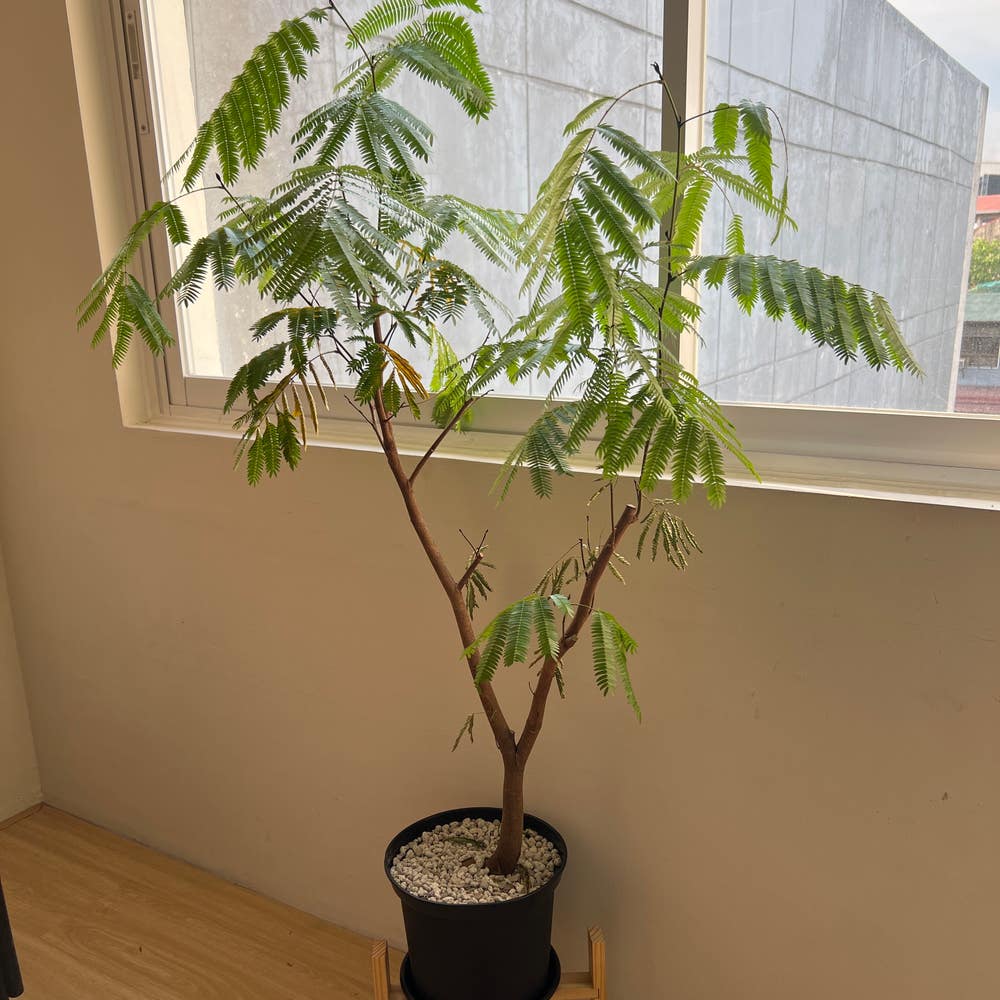
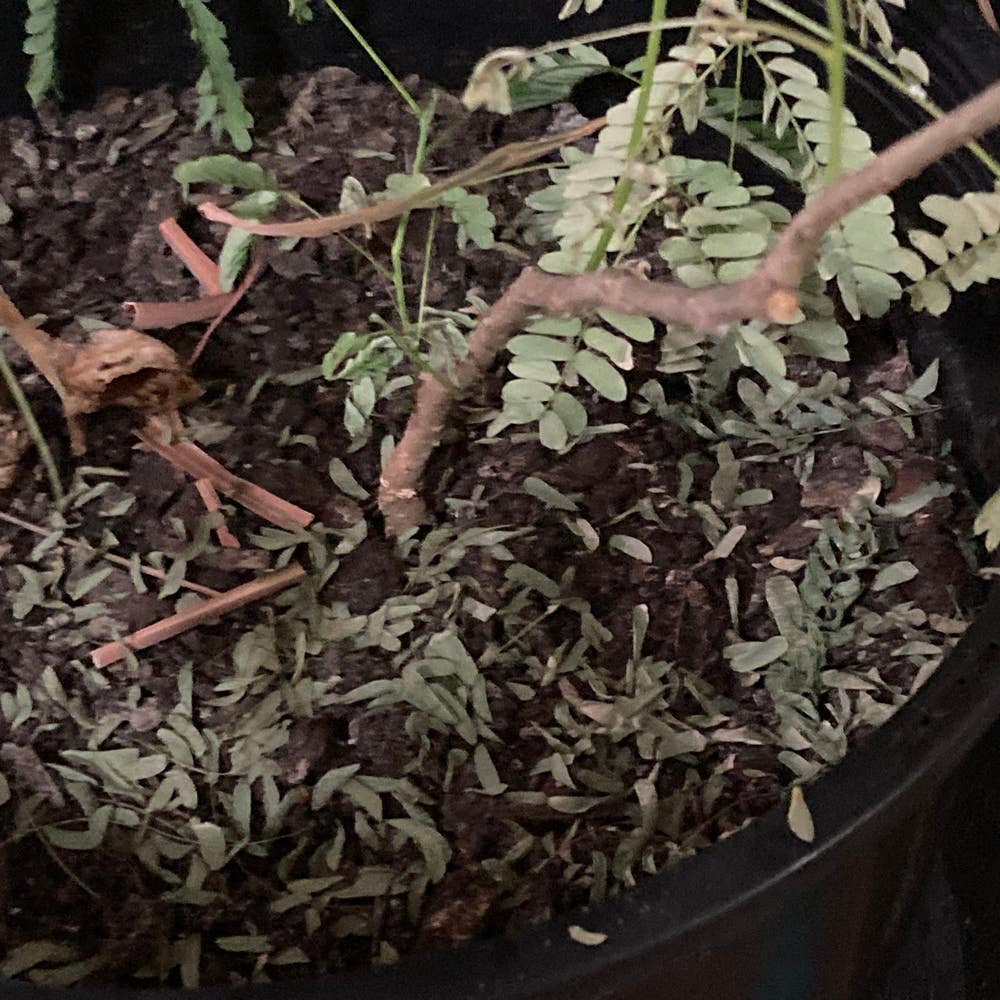
🔍 Understanding Brown Spots on Your Formosa Tree Leaves
Albizia julibrissin
By the Greg Editorial Team
Nov 25, 2024•7 min read
This article was created with the help of AI so we can cover more plants for you. May contain errors. See one? Report it here.
Revitalize your Formosa tree by mastering the art of diagnosing and treating brown spots! 🌿
- 🌱 Brown spots on Formosa tree leaves stem from infections, stress, pests, or nutrient issues.
- 💧 Proper watering and drainage are crucial to prevent browning and maintain leaf health.
- 🔍 Diagnose spots by size and shape to identify fungal or bacterial causes effectively.
Causes of Brown Spots
🦠 Fungal Infections
Fungal infections are a primary cause of brown spots on Formosa tree leaves. Common culprits include leaf spot diseases like anthracnose and powdery mildew, which thrive in humid conditions and poor air circulation.
🦠 Bacterial Infections
Bacterial leaf spot diseases can also lead to unsightly brown spots. Symptoms often include water-soaked areas that eventually turn brown, and these infections flourish in warm, wet environments.
🌪️ Environmental Stress
Drought Stress
Drought stress manifests as wilting leaves and browning edges. Insufficient watering can severely impact leaf health, leading to premature leaf drop.
Overwatering
Conversely, overwatering can cause yellowing and browning of leaves. It's crucial to ensure well-drained soil to prevent root rot and maintain leaf vitality.
🥦 Nutrient Deficiencies
Nitrogen Deficiency
A nitrogen deficiency often presents as yellowing leaves accompanied by brown spots. Nitrogen is vital for healthy leaf growth, and its absence can weaken the tree's overall health.
Potassium Deficiency
Potassium deficiency typically shows up as browning at the leaf edges and spots throughout the leaf. This nutrient plays a crucial role in the tree's vitality and resilience against stress.
🐜 Pest Infestations
Aphids
Aphids can be identified by the sticky residue they leave behind and curled leaves. These pests not only damage the leaves but can also contribute to the development of brown spots.
Spider Mites
Spider mites cause stippled leaves and may create fine webbing on the foliage. Their presence can exacerbate leaf spot diseases, leading to further deterioration of leaf health.
Understanding these causes is essential for effective management and treatment of brown spots on your Formosa tree leaves. Next, we will explore how to diagnose the specific type of brown spots you may encounter.
Diagnosis
Identifying the Type of Brown Spots 🌰
Understanding the type of brown spots on your Formosa tree leaves is crucial for effective treatment. Start by examining the size and shape of the spots.
Size and Shape of Spots
Small, pinpoint spots often indicate a different issue than larger blotches. For instance, pinpoint spots may suggest a fungal infection, while larger, irregular shapes could be linked to environmental stress or bacterial infections.
Location on the Leaf
Next, consider the location of the spots. Spots near the edges of leaves might signal different problems compared to those found in the center. This distinction can help narrow down potential causes, guiding you toward the right diagnosis.
Differentiating Between Diseases and Environmental Issues 🦠
Once you've assessed the size and location, it's time to differentiate between diseases and environmental issues.
Visual Cues for Fungal vs. Bacterial Issues
Look for visual cues that can indicate the type of problem. Fungal spots typically have fuzzy edges and may display concentric rings, while bacterial spots often appear water-soaked and may have a more irregular shape. Recognizing these characteristics can help you identify the underlying issue.
Impact of Weather Conditions on Leaf Health
Finally, consider how weather conditions affect leaf health. High humidity and warm temperatures can promote the spread of diseases, while seasonal changes may influence the prevalence of spotting. Keeping an eye on these factors can provide valuable insights into your tree's health.
By understanding these diagnostic elements, you can take informed steps toward treating your Formosa tree's brown spots effectively. Next, we will explore various treatment options to restore your tree's vitality.
Treatment Options
🚨 Immediate Actions to Take
Pruning Affected Leaves
Pruning is crucial for managing brown spots on your Formosa tree leaves. Start by using clean, sharp tools to cut away any affected leaves, which helps prevent the spread of diseases.
Make sure to dispose of the pruned leaves properly to avoid re-infection. Regularly inspect your tools and disinfect them between cuts to maintain hygiene.
Adjusting Watering Practices
Proper watering techniques can significantly impact leaf health. Aim for deep watering sessions that allow moisture to reach the roots, ensuring the soil is consistently moist but not soggy.
Establish a watering schedule based on the tree's needs and the weather conditions. This consistency helps prevent both drought and overwatering, which can lead to brown spots.
🧪 Chemical Treatments
Fungicides for Fungal Infections
When dealing with fungal infections, fungicides can be effective. Look for broad-spectrum fungicides that target common fungal diseases affecting Formosa trees.
Apply these treatments during the early morning or late afternoon to avoid direct sunlight, which can reduce effectiveness. Follow the manufacturer's instructions regarding timing and frequency for optimal results.
Bactericides for Bacterial Issues
For bacterial problems, specific bactericides are essential. Choose products that are labeled for use on trees and follow the application guidelines closely.
Always take precautions when using chemical treatments, such as wearing gloves and a mask. This ensures your safety while protecting your tree's health.
🌱 Organic Treatment Methods
Neem Oil Application
Neem oil is a fantastic organic option for treating leaf spots. It works by disrupting the life cycle of pests and diseases, making it a versatile choice for tree care.
Apply neem oil every two weeks, ensuring thorough coverage of the affected areas. This natural remedy is not only effective but also safe for the environment.
Homemade Remedies
Homemade remedies can also be effective in managing brown spots. A simple baking soda solution can be made by mixing one tablespoon of baking soda with a gallon of water.
Spray this solution on the affected leaves to help combat fungal issues. Additionally, consider other organic treatments like diluted vinegar or garlic sprays for a holistic approach to leaf health.
With these treatment options, you can effectively manage and prevent brown spots on your Formosa tree leaves. Next, let’s explore some prevention strategies to keep your tree healthy and vibrant.
Prevention Strategies
🌊 Best Practices for Watering
Soil Moisture Management
Maintaining the right soil moisture is crucial for the health of your Formosa tree. To check moisture levels, stick your finger about an inch into the soil; if it feels dry, it's time to water.
A consistent watering schedule is essential. Aim to water deeply once a week, adjusting based on rainfall and temperature to keep the soil evenly moist but not soggy.
Importance of Drainage
Proper drainage is vital to prevent root rot, which can lead to brown spots on leaves. Ensure your tree is planted in well-draining soil and consider adding organic matter to improve drainage.
If your soil retains too much water, amendments like perlite or sand can help create a better environment for your tree's roots.
🥗 Nutritional Needs
Fertilization Schedule
A balanced fertilization schedule supports your tree's overall health. Use a slow-release fertilizer with a balanced N-P-K ratio, applying it in early spring and again in mid-summer for optimal nutrient uptake.
Follow the manufacturer's recommendations for application rates to avoid over-fertilization, which can harm your tree.
Soil Testing for Nutrient Levels
Regular soil testing is essential to identify nutrient deficiencies. Testing kits are widely available and can help you understand the specific needs of your soil.
Interpreting the results will guide you in adjusting your fertilization strategy, ensuring your Formosa tree receives the nutrients it needs to thrive.
🔍 Regular Maintenance
Monitoring for Pests
Keeping an eye out for pests can save your tree from significant damage. Look for signs like sticky residue or curled leaves, which may indicate an aphid infestation.
Implementing recommended pest control measures, such as introducing beneficial insects or using insecticidal soap, can help manage these issues effectively.
Seasonal Inspections of Leaves
Regular leaf inspections are a proactive way to catch problems early. Check for discoloration, spots, or unusual growth patterns that could signal stress or disease.
During inspections, take note of any changes in leaf texture or color, as these can provide clues to your tree's health and help you address issues promptly.
By following these prevention strategies, you can keep your Formosa tree healthy and vibrant, reducing the risk of brown spots and other issues. Next, let’s explore how to diagnose the specific causes of those pesky brown spots on your tree's leaves.
⚠️ Safety First
This content is for general information and may contain errors, omissions, or outdated details. It is not medical, veterinary advice, or an endorsement of therapeutic claims.
Always consult a qualified healthcare professional before using any plant as food, medicine, or supplement.
Never eat any plant (or feed one to pets) without confirming its identity with at least two trusted sources.
If you suspect poisoning, call Poison Control (800) 222-1222, the Pet Poison Helpline (800) 213-6680, or your local emergency service immediately.
Spotted an error? Please report it here.
Combat those pesky brown spots on your Formosa tree leaves with Greg's tailored care reminders 🌳, ensuring your tree stays healthy and vibrant through personalized watering and treatment plans!