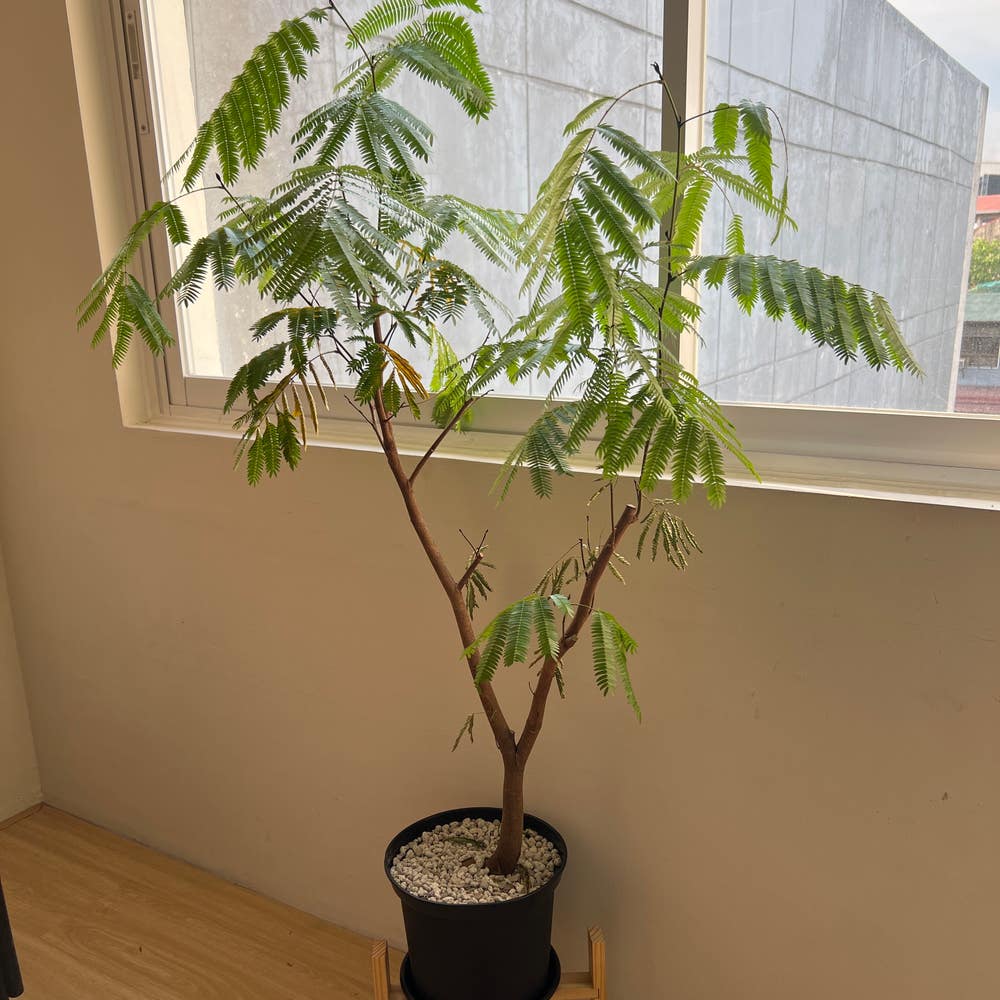
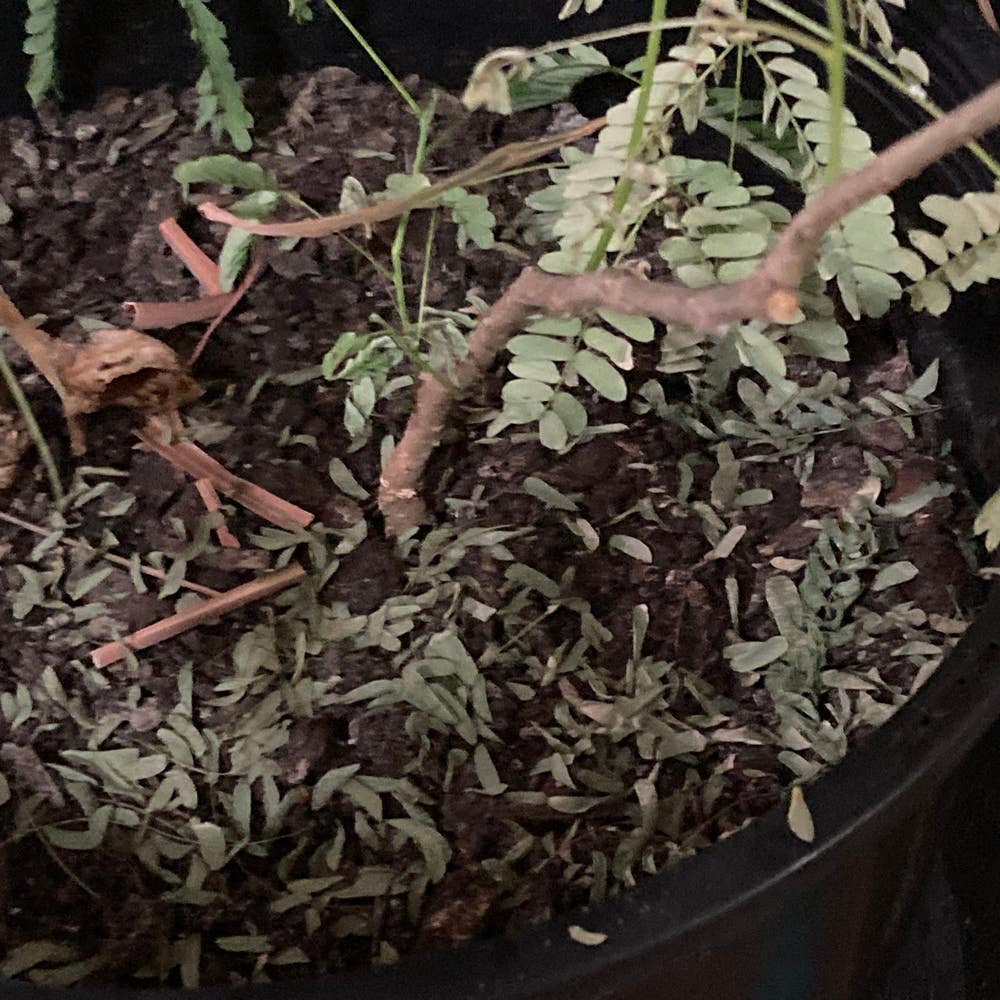
🌳 Formosa Tree Care: Preventing and Treating Root Rot
Albizia julibrissin
By the Greg Editorial Team
Nov 25, 2024•5 min read
This article was created with the help of AI so we can cover more plants for you. May contain errors. See one? Report it here.
Save your Formosa Tree from root rot with these vital diagnosis and prevention tips! 🌱💧
- 🌱 Early signs of root rot include leaf drop, stunted growth, and foul odors.
- 🧪 Inspect roots regularly; healthy ones are white and firm, while rotting ones are brown.
- 💧 Prevent overwatering by checking soil moisture; let top 2 inches dry out first.
Diagnosing Root Rot
👀 Visual signs of root rot
Detecting root rot early can save your Formosa Tree from severe damage. Look out for these key visual signs:
- Leaf drop: A sudden loss of leaves, particularly the lower ones, is often the first indicator.
- Stunted growth: If your tree shows little to no new growth, or if it appears to be declining, root rot may be the culprit.
- Foul odor: A smell of decay emanating from the soil or roots is a clear warning sign that something is wrong.
🔍 Root inspection techniques
To confirm your suspicions, a root inspection is essential. Follow these steps for a thorough examination:
- Gently remove the plant from its pot: Be careful not to damage the roots during this process.
- Examine the root system for color and texture: Healthy roots should be white and firm, while affected roots will appear brown and mushy.
- Identify healthy versus affected roots: This distinction is crucial for effective treatment.
💧 Soil testing for moisture levels
Understanding soil moisture is vital in diagnosing root rot. Here are some effective methods:
- Use a moisture meter: This tool provides an accurate reading of soil moisture content.
- Finger test: Insert your finger into the soil up to 2 inches to check for dampness. If it feels wet, hold off on watering.
- Timing of tests: Always conduct moisture tests before watering to prevent overwatering, which can exacerbate root rot.
By recognizing these signs and employing these techniques, you can effectively diagnose root rot and take the necessary steps to protect your Formosa Tree. Next, we’ll explore how to prevent root rot from occurring in the first place.
Preventing Root Rot
🌊 Proper watering techniques
Watering your Formosa Tree correctly is crucial to prevent root rot. Start by allowing the top 2 inches of soil to dry out before watering again.
When you do water, make sure to do it thoroughly. Water until you see it draining from the bottom of the pot, ensuring the roots get the moisture they need without sitting in excess water.
🕳️ Importance of soil drainage
Soil drainage plays a vital role in root health. Always choose pots with drainage holes to prevent water accumulation, which can lead to rot.
Additionally, consider adding drainage materials like perlite or gravel to your potting mix. These materials improve soil aeration and help excess water escape, keeping your roots happy.
🌱 Choosing the right potting mix
Selecting the right potting mix is essential for your Formosa Tree's health. Opt for a well-draining soil mix specifically designed for tropical trees.
A recommended blend includes peat, perlite, and compost. This combination provides optimal drainage while ensuring your tree receives the nutrients it needs to thrive.
By implementing these preventive measures, you can significantly reduce the risk of root rot and promote a healthy, vibrant Formosa Tree. Next, we’ll explore how to treat root rot if it does occur.
Treating Root Rot
Step-by-step treatment process 🛠️
Treating root rot effectively requires a careful approach. Start by gently removing the plant from its pot and inspecting the roots for any signs of decay.
Next, trim away the affected roots using sterilized scissors. This step is crucial to prevent the spread of rot.
After that, discard the contaminated soil and thoroughly clean the pot. This ensures that any lingering pathogens are eliminated.
How to prune affected roots ✂️
When pruning the affected roots, focus on identifying healthy tissue. Make sure your cuts are clean and angled to promote healing.
Be cautious not to over-prune; only remove severely affected roots. This helps maintain the plant's overall health and stability.
Recommended fungicides and treatments 💊
To combat root rot, consider using systemic fungicides. Always follow the package instructions for safe and effective application.
For a more natural approach, neem oil or cinnamon can serve as antifungal agents. These options are less harsh and can be effective in treating mild cases.
Re-potting techniques for recovery 🌱
Once you've treated the roots, it's time to re-pot the plant. Select a clean pot that has drainage holes to prevent future water accumulation.
Use a fresh, well-draining potting mix to provide the best environment for recovery. Position the plant at the same depth as before and water it lightly to avoid overwhelming the roots.
With these steps, your Formosa Tree can bounce back from root rot and thrive once again. Next, we’ll explore how to monitor recovery signs to ensure your plant is on the right track.
Post-Treatment Care
Monitoring Recovery Signs 🌱
After treating root rot, keep an eye out for new growth. Fresh leaves or shoots are excellent indicators that your Formosa Tree is on the mend.
Additionally, check the root health during future inspections. Firm, white roots signal recovery, while brown or mushy roots may indicate ongoing issues.
Adjusting Care Routine After Treatment 💧
It's crucial to modify your watering schedule post-treatment. Allow the soil to dry out more between waterings to prevent reoccurrence of root rot.
Also, reduce fertilization during this recovery phase. Hold off on feeding your plant until you see clear signs of new growth.
Long-Term Prevention Strategies 🛡️
To keep root rot at bay, conduct regular root inspections every few months. This proactive approach helps catch early signs of rot before they escalate.
Maintaining optimal environmental conditions is equally important. Consistently monitor humidity, temperature, and light levels to create a healthy habitat for your Formosa Tree.
Lastly, stay informed about plant care tips. Educating yourself on best practices will empower you to prevent future issues and ensure your tree thrives.
With these strategies in place, your Formosa Tree can flourish, free from the threat of root rot. Next, let’s explore how to effectively treat root rot when it strikes.
⚠️ Safety First
This content is for general information and may contain errors, omissions, or outdated details. It is not medical, veterinary advice, or an endorsement of therapeutic claims.
Always consult a qualified healthcare professional before using any plant as food, medicine, or supplement.
Never eat any plant (or feed one to pets) without confirming its identity with at least two trusted sources.
If you suspect poisoning, call Poison Control (800) 222-1222, the Pet Poison Helpline (800) 213-6680, or your local emergency service immediately.
Spotted an error? Please report it here.
Keep your Formosa Tree thriving 🌳 by using Greg's tailored moisture alerts and care tips to prevent root rot and ensure healthy growth!