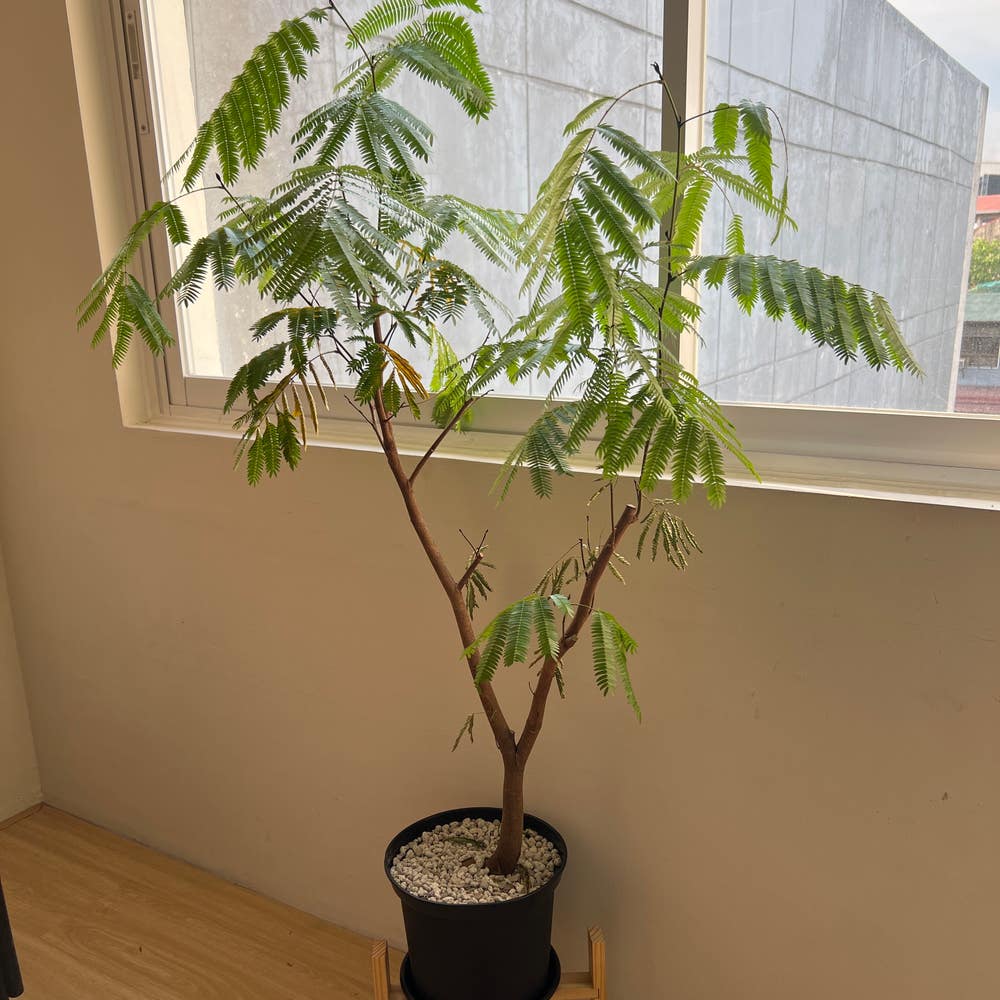
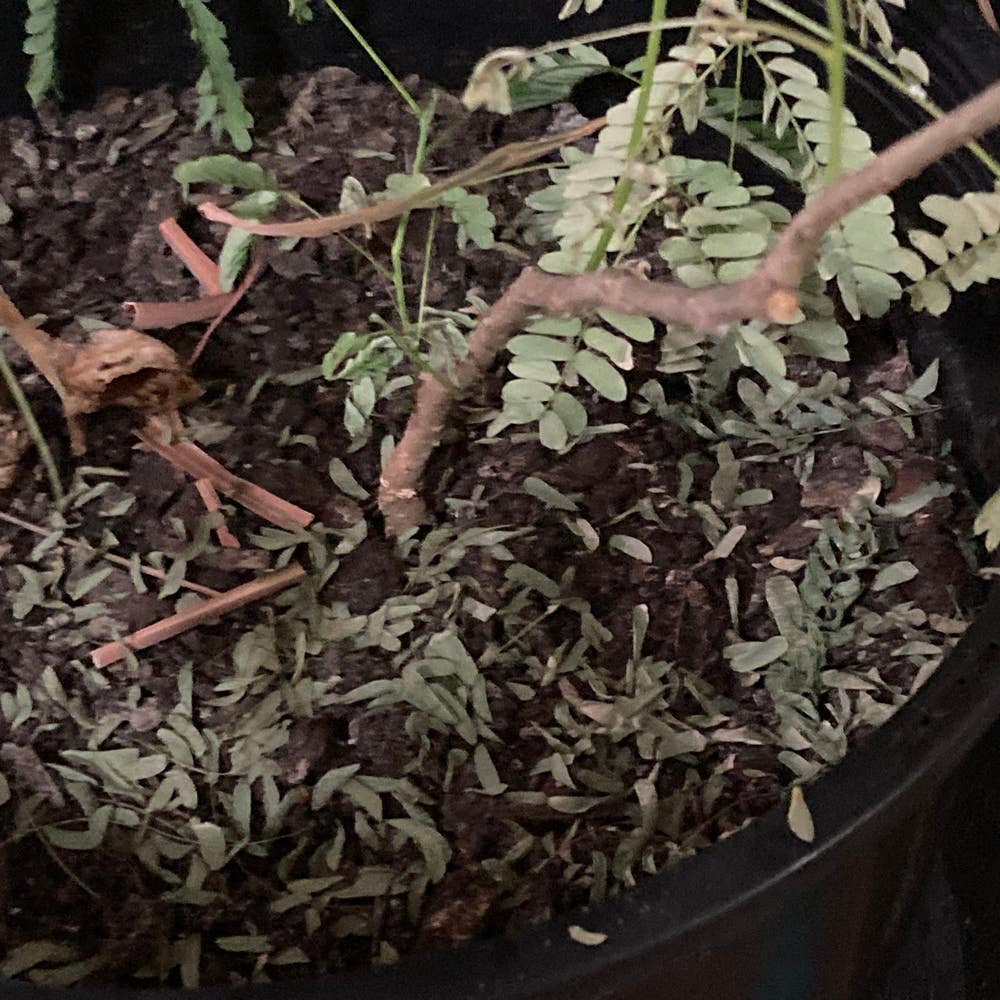
Best Tips for Droopy Leaves on Silk Tree 🌳
Albizia julibrissin
By the Greg Editorial Team
Oct 11, 2024•6 min read
This article was created with the help of AI so we can cover more plants for you. May contain errors. See one? Report it here.
Transform your droopy Silk Tree into a thriving beauty 🌿 with essential tips on watering, soil, and pest control!
- 💧 Overwatering and underwatering both cause droopy leaves; balance is key!
- 🌱 Well-draining soil and proper pH (6.0-7.5) are essential for Silk Tree health.
- 🌞 Optimal conditions: 60°F-80°F temperature and 40%-60% humidity promote vibrant leaves.
Causes of Droopy Leaves
💧 Overwatering and Its Effects
Overwatering is a common culprit behind droopy leaves. Symptoms include wilting leaves despite moist soil and yellowing foliage, often accompanied by root rot.
Waterlogged conditions can suffocate the roots, leading to a decline in overall Silk Tree health. Additionally, excess moisture increases susceptibility to fungal diseases, which can further harm your plant.
🚰 Underwatering and Its Symptoms
On the flip side, underwatering can also lead to droopy leaves. Signs include dry, crispy leaf edges and leaves that curl or droop.
Long-term effects of underwatering can be severe, resulting in stunted growth and reduced flowering. It's crucial to find a balance in your watering routine.
🌱 Soil Quality and Drainage Issues
Soil quality plays a significant role in the health of your Silk Tree. Well-draining soil is essential, with sandy loam or loamy soil being the preferred types.
The ideal soil pH for optimal growth ranges from 6.0 to 7.5. If you notice water pooling around the base or slow absorption rates during watering, these are clear indicators of drainage problems.
🌡️ Environmental Stress Factors
Environmental conditions can also stress your Silk Tree. The optimal temperature range is between 60°F to 80°F (15°C to 27°C), and extreme temperatures can negatively affect leaf health.
Humidity is another critical factor; ideal levels range from 40% to 60%. Low humidity can lead to droopy leaves, making it essential to monitor your plant's environment.
🐛 Pest Infestations and Their Impact
Pest infestations can wreak havoc on your Silk Tree. Common pests include aphids, which leave a sticky residue and cause curled leaves, and spider mites, identifiable by fine webbing and stippled leaves.
The consequences of pest damage can be severe, leading to nutrient depletion and, ultimately, droopy leaves. Regular inspections can help catch these issues early.
Understanding these causes is the first step in addressing droopy leaves on your Silk Tree. Next, we'll explore how to diagnose the specific issues affecting your plant.
Diagnosing Droopy Leaves
🌊 Identifying Signs of Overwatering
Overwatering can be a sneaky culprit behind droopy leaves. Look for dark, mushy roots when you inspect the soil; this is a clear sign that your Silk Tree is drowning.
Another indicator is leaf yellowing and dropping. If you notice these symptoms, it’s time to reassess your watering habits.
💧 Recognizing Signs of Underwatering
On the flip side, underwatering presents its own set of challenges. Keep an eye out for leaves curling inward and becoming brittle, as this indicates your tree is thirsty.
Additionally, if the soil is pulling away from the pot edges, it’s a strong signal that your Silk Tree needs a drink.
🌱 Assessing Soil Moisture Levels
To determine the moisture level in your soil, employ a couple of simple techniques. The finger test is straightforward: insert your finger 1-2 inches into the soil to check for dampness.
For a more precise reading, consider using a soil moisture meter. This tool can help you avoid the guesswork and ensure your tree gets just the right amount of water.
🐛 Checking for Pests and Diseases
Pests and diseases can also lead to droopy leaves, so regular inspections are crucial. Start by examining the undersides of the leaves for any signs of pests.
Look for discoloration or spots on the leaves, which may indicate disease. Catching these issues early can save your Silk Tree from further distress.
With these diagnostic tips, you can effectively identify the root cause of droopy leaves. Next, let’s explore practical solutions to revive your Silk Tree and restore its vibrant health.
Solutions for Droopy Leaves
🌊 Adjusting Watering Practices
To revive your Silk Tree, start with a consistent watering schedule. Water when the top 1-2 inches of soil feel dry to the touch, ensuring the roots get the moisture they need without drowning.
Consider using the Greg plant care app for reminders. This handy tool helps you stay on track, preventing both overwatering and underwatering.
🕳️ Improving Soil Drainage
Next, focus on enhancing soil drainage. Amend your soil with perlite or sand to create a well-draining mix that allows excess water to escape.
Also, ensure your pots have drainage holes. This simple step can make a world of difference in preventing waterlogged conditions.
🐛 Treating Pest Infestations
If pests are the culprit behind droopy leaves, act quickly. Use neem oil or insecticidal soap to combat aphids effectively.
For spider mites, increasing humidity can deter these pests. A little extra moisture in the air can go a long way in keeping your Silk Tree healthy.
🌤️ Environmental Adjustments
Finally, consider environmental factors that affect your tree's health. Ensure your Silk Tree receives 6-8 hours of filtered sunlight daily for optimal growth.
Temperature and humidity control are also crucial. Use humidifiers or pebble trays to maintain ideal humidity levels, creating a comfortable environment for your plant.
By implementing these solutions, you can help your Silk Tree thrive and prevent droopy leaves in the future. Next, let's explore preventative measures to keep your tree healthy year-round.
Preventative Measures
Best Practices for Silk Tree Care 🌱
Establishing a regular watering schedule is crucial for maintaining the health of your Silk Tree. Adjust your watering frequency based on seasonal changes to ensure your tree receives the right amount of moisture.
Monitoring soil quality is equally important. Regularly check for drainage issues and adjust your soil mix as needed to promote healthy growth.
Seasonal Care Tips to Prevent Droop 🌸
In spring, focus on fertilizing and pruning your Silk Tree to encourage robust growth. This is the perfect time to give your tree a fresh start.
During the summer months, increase your watering frequency to combat the heat. Your tree will appreciate the extra hydration as temperatures rise.
As fall approaches, it's time to reduce watering. Lower temperatures mean your Silk Tree needs less moisture, so adjust accordingly.
Regular Maintenance Routines ✂️
Pruning your Silk Tree is best done in late winter or early spring. This helps remove dead or crossing branches, promoting better air circulation and growth.
When it comes to fertilizing, opt for a balanced NPK formula. Apply it every 4-6 weeks during the growing season to provide essential nutrients.
By following these preventative measures, you can keep your Silk Tree thriving and vibrant. Next, let’s explore how to diagnose droopy leaves effectively.
⚠️ Safety First
This content is for general information and may contain errors, omissions, or outdated details. It is not medical, veterinary advice, or an endorsement of therapeutic claims.
Always consult a qualified healthcare professional before using any plant as food, medicine, or supplement.
Never eat any plant (or feed one to pets) without confirming its identity with at least two trusted sources.
If you suspect poisoning, call Poison Control (800) 222-1222, the Pet Poison Helpline (800) 213-6680, or your local emergency service immediately.
Spotted an error? Please report it here.
Revive your Silk Tree's droopy leaves with consistent care 🌿—let Greg guide you with tailored watering reminders and expert tips for a thriving plant!