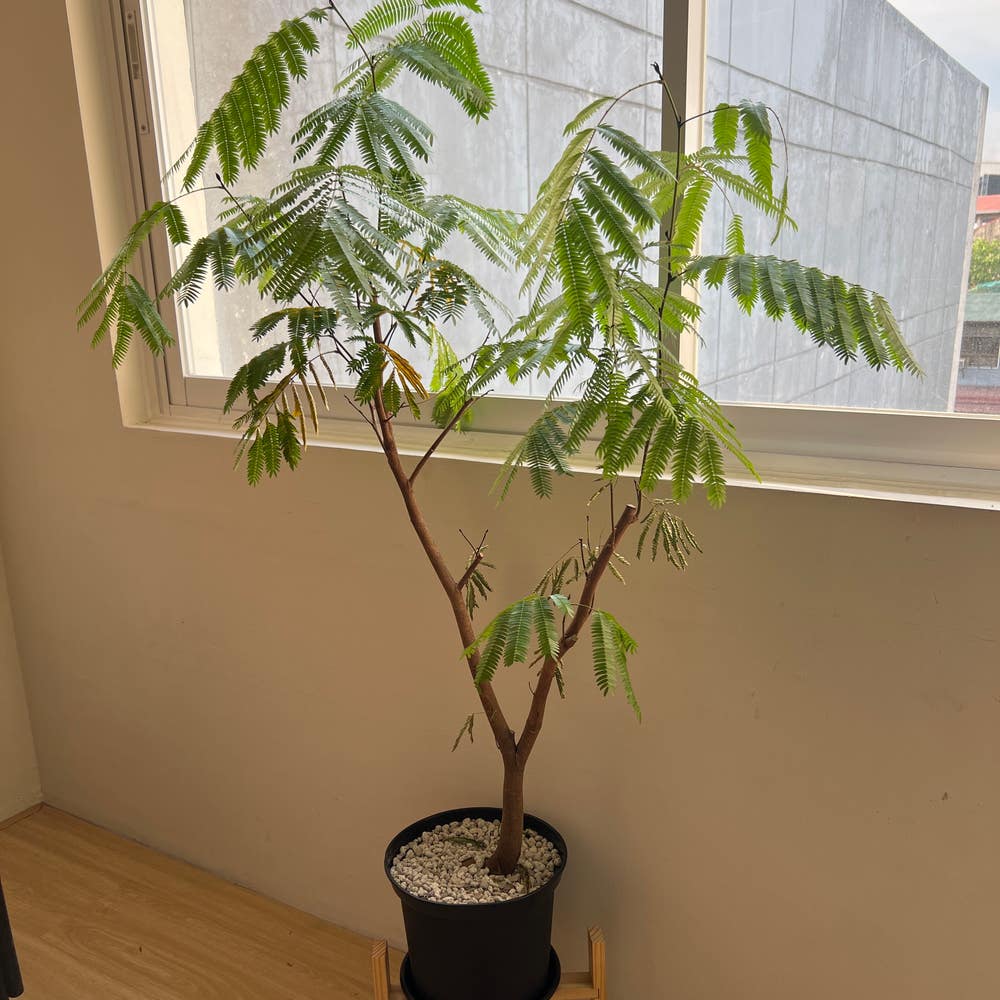
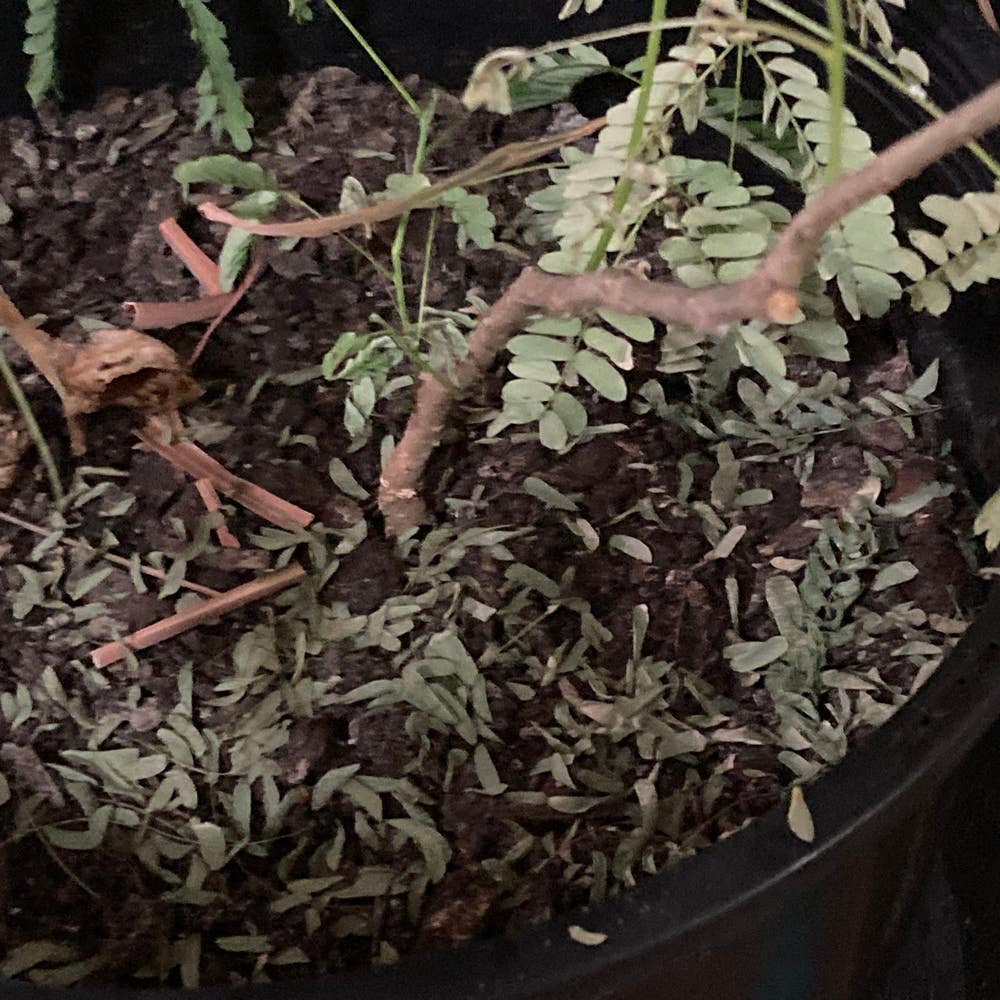
🌳 Ultimate Guide to Mimosa Tree Roots
Albizia julibrissin
By the Greg Editorial Team
Oct 09, 2024•6 min read
This article was created with the help of AI so we can cover more plants for you. May contain errors. See one? Report it here.
Master the unique root systems of Mimosa trees 🌳 for vibrant growth and resilience in your garden! 🌱
- 🌳 Mimosa trees have deep taproots (3-6 feet) that stabilize and nourish them.
- 💧 Overwatering causes root rot, leading to yellow leaves and mushy roots.
- 🌱 Healthy roots are vital for growth; monitor moisture and avoid compacted soil.
Root Characteristics
🌱 Type of Root System
The Mimosa tree features a taproot system, which is a single, dominant root that grows deep into the soil. This type of root system is significant because it provides stability and allows the tree to access nutrients and moisture from deeper soil layers.
Taproots are known for their strength and resilience. They help anchor the tree firmly, making it less susceptible to toppling during storms or high winds. Additionally, the deep reach of the taproot enables the Mimosa tree to thrive in various soil conditions, ensuring it can find essential nutrients even when surface resources are scarce.
🌳 Specific Characteristics
The stability offered by the taproot is crucial for the Mimosa tree's overall health. A well-developed taproot can spread out laterally, typically reaching depths of 3 to 6 feet, depending on the soil type and moisture availability.
Moreover, the root system's spread can extend 20 to 30 feet wide, which can impact nearby plants and structures. This extensive reach means that the Mimosa tree competes for nutrients and space, influencing the growth of surrounding flora. Understanding these characteristics can help you appreciate the Mimosa tree's adaptability and resilience in various environments.
As we explore further, we'll delve into the typical root depth and spread patterns, shedding light on how these factors contribute to the tree's overall health and growth.
Root Depth and Spread
Typical Root Depth 🌱
Mimosa trees typically develop a root depth of 3 to 6 feet, but this can vary based on soil conditions. Factors like soil type and moisture availability play a crucial role in determining how deep these roots can grow.
Root Spread Patterns 🌍
The root spread of a Mimosa tree usually extends 20 to 30 feet wide. This expansive growth can lead to competition for nutrients and space with nearby plants and structures, making it essential to consider their placement in your garden.
Growth Patterns 🌿
Mimosa trees exhibit active growth during the spring and summer months. In contrast, they enter a dormant period in the fall and winter, where growth significantly slows down, allowing the roots to stabilize and prepare for the next growing season.
Understanding these root characteristics is vital for maintaining a healthy Mimosa tree. Next, we’ll explore how the root system affects watering and fertilizing practices.
Watering and Fertilizing
🌱 How Root System Affects Watering Needs
Understanding the root system of your Mimosa tree is crucial for effective watering. Deep watering techniques are essential to encourage roots to grow deep into the soil, promoting stability and nutrient access.
Aim to water deeply but infrequently. This method helps roots reach down for moisture, making them more resilient during dry spells.
Be vigilant for signs of overwatering. Yellowing leaves, wilting, and root rot are clear indicators that your tree may be receiving too much water.
🌿 Fertilization Techniques
Fertilizing your Mimosa tree correctly can significantly enhance its growth. The best time to fertilize is early spring, just before new growth begins.
Opt for balanced NPK fertilizers, which provide essential nutrients for healthy root development. These fertilizers ensure that your tree has the nutrients it needs to thrive.
Nutrient availability is vital for root health. A well-fed root system supports overall plant vigor, leading to a more robust and beautiful Mimosa tree.
In summary, proper watering and fertilization are key to maintaining a healthy root system. By following these guidelines, you can ensure your Mimosa tree flourishes, setting the stage for the next section on common root-related issues.
Common Root-Related Issues
🕵️♂️ Identification of Common Root Problems
Root rot is a significant concern for Mimosa trees. It typically arises from overwatering or poorly draining soil, leading to dark, mushy roots that can emit a foul odor.
Compacted soil is another issue that can hinder root health. Signs include poor drainage, stunted growth, and a hard, crusty surface that restricts root expansion.
🛠️ Prevention and Solutions
To prevent root rot, focus on soil drainage and watering techniques. Ensure your soil allows excess water to escape and water only when necessary to keep the roots healthy.
For compacted soil, consider aeration methods to improve airflow and drainage. Adding soil amendments like compost can also enhance soil structure, promoting healthier root growth.
Indicators of Root Health
👀 Visual Cues for Healthy vs. Unhealthy Roots
Healthy roots are a sight to behold. They should feel firm and exhibit a white or light tan color, indicating vitality and good health.
In contrast, unhealthy roots present a stark warning. Look for dark, mushy textures or foul smells, which signal decay and potential root rot.
🔍 Other Indicators of Root Health
Above-ground symptoms can also reveal root health. Leaf discoloration and stunted growth often point to underlying root issues.
Soil moisture levels play a crucial role too. Regular monitoring can help ensure your roots are thriving, as both overwatering and underwatering can lead to serious problems.
Understanding these indicators empowers you to take action, ensuring your Mimosa tree remains vibrant and healthy. Next, let’s explore common root-related issues and how to tackle them effectively.
Rootbound Plants
Definition and Recognition of Rootbound Conditions 🌱
Rootbound plants occur when roots circle the pot, leading to limited growth. This condition can severely restrict the plant's ability to absorb water and nutrients.
Signs of rootbound plants include stunted growth and frequent wilting. If your Mimosa Tree seems to be struggling despite proper care, it might be time to investigate its root situation.
When and How to Address Rootbound Issues 🔧
Timing is crucial for addressing rootbound conditions. Watch for signs like roots emerging from drainage holes or the plant becoming top-heavy.
To resolve rootbound issues, consider repotting or root pruning. Repotting involves moving the plant to a larger container, while root pruning requires trimming back the roots to encourage new growth.
Propagation and Division
Importance of Root Health in Propagation 🌱
Healthy roots are crucial for successful propagation. They provide the necessary nutrients and stability that young plants need to thrive.
Timing is also essential when propagating Mimosa Trees. The best seasons for this process are early spring and late fall, as the plants are more resilient during these periods.
Techniques for Dividing and Propagating ✂️
To effectively divide and propagate your Mimosa Tree, follow these steps:
- Selecting a Healthy Parent Plant: Choose a robust tree with a well-established root system.
- Timing: Aim for early spring or late fall for optimal results.
- Tools Needed: Gather a clean, sharp spade or knife to minimize damage.
- Process: Carefully separate the roots from the parent plant and replant them in suitable soil.
Tips for Ensuring Root Health During Propagation 💧
To maintain root health during propagation, ensure the new planting site has well-draining soil. Regularly monitor moisture levels to avoid overwatering, which can lead to root rot.
By following these guidelines, you can foster healthy growth and ensure your Mimosa Trees flourish. Next, we’ll explore common root-related issues and how to address them effectively.
⚠️ Safety First
This content is for general information and may contain errors, omissions, or outdated details. It is not medical, veterinary advice, or an endorsement of therapeutic claims.
Always consult a qualified healthcare professional before using any plant as food, medicine, or supplement.
Never eat any plant (or feed one to pets) without confirming its identity with at least two trusted sources.
If you suspect poisoning, call Poison Control (800) 222-1222, the Pet Poison Helpline (800) 213-6680, or your local emergency service immediately.
Spotted an error? Please report it here.
Unlock the secrets of Mimosa roots 🌱 with Greg's personalized watering alerts and soil tips, ensuring your tree flourishes in any garden!