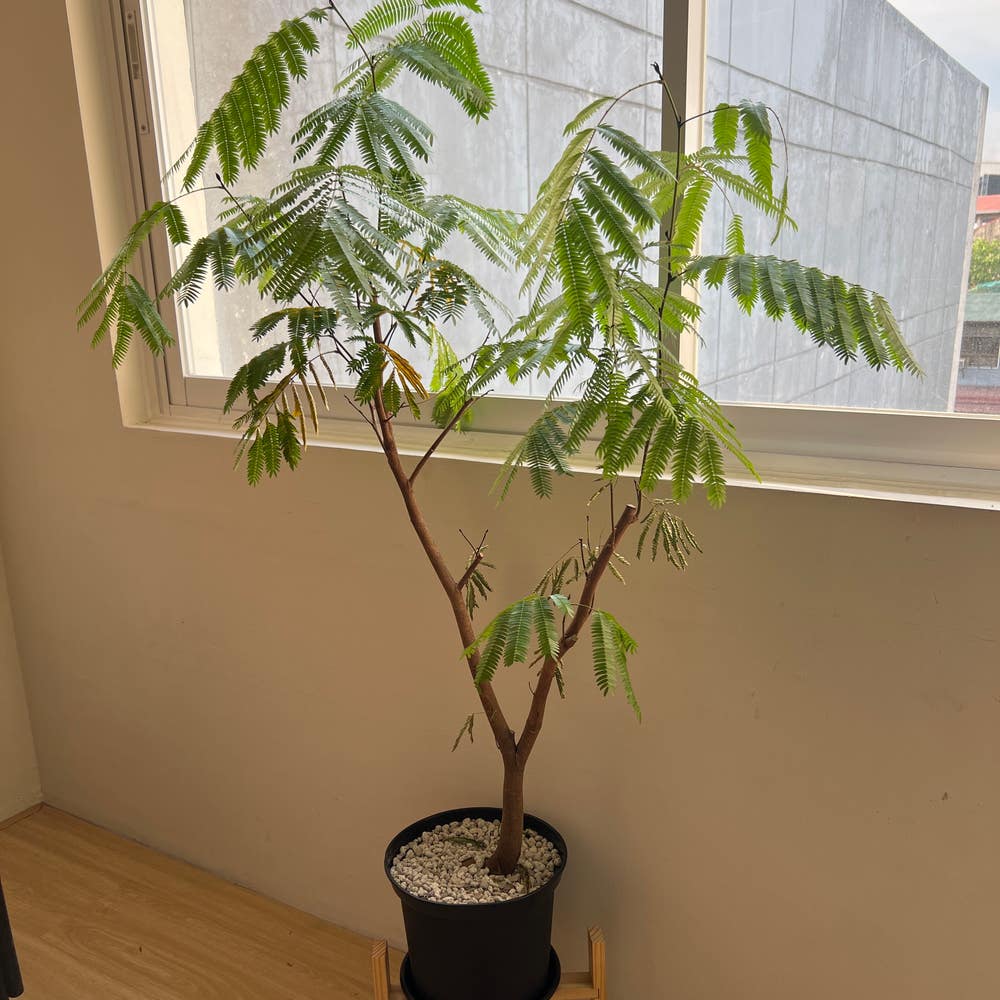
How to Recognize and Treat Root Rot in Your Mimosa Tree
Albizia julibrissin
By the Greg Editorial Team
Oct 09, 2024•5 min read
This article was created with the help of AI so we can cover more plants for you. May contain errors. See one? Report it here.
Protect your Mimosa tree from root rot with vital tips for detection, treatment, and prevention! 🌱
- 🌱 Early symptoms of root rot include yellowing leaves and wilting. Act fast!
- 🔍 Inspect roots regularly: Healthy roots are firm and white; rotting roots are brown.
- 💧 Water sparingly after repotting to prevent future root rot. Let soil dry out!
Identifying Root Rot Symptoms
👀 Visual Signs
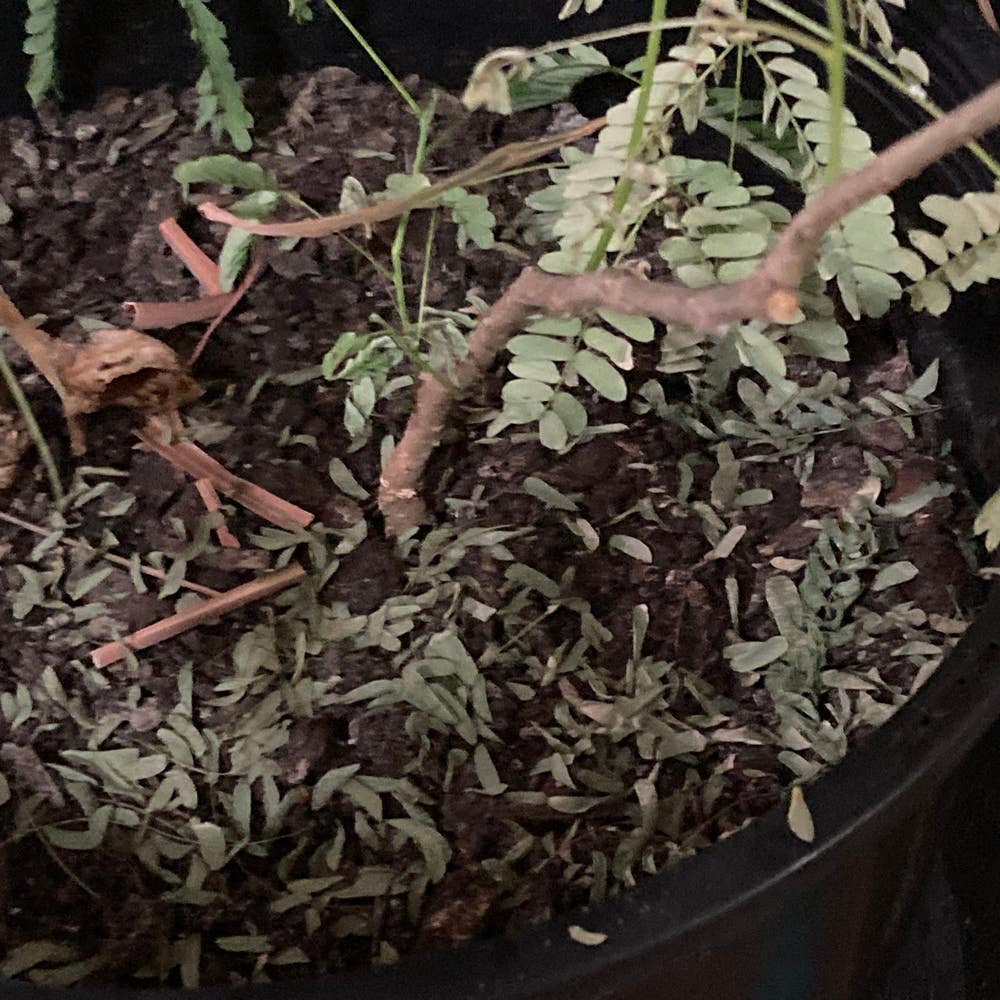
Recognizing root rot starts with observing your Mimosa tree's leaves. Look for discoloration, particularly yellowing and browning edges, which can signal distress.
Another red flag is leaf drop. If your tree is shedding leaves prematurely, especially the lower ones, it may be struggling with root issues.
🧠 Behavioral Changes
Behavioral changes can also indicate root rot. Persistent wilting, even after adequate watering, is a common symptom that shouldn't be ignored.
Additionally, a foul odor can emerge from decaying roots, signaling severe rot. If you notice soft, mushy roots during inspection, it's a clear sign that your tree is in trouble.
🔍 Root Examination Techniques
To assess root health, you'll need to safely remove the tree from its pot. This minimizes stress and allows for a thorough examination.
When inspecting the roots, differentiate between healthy and rotting ones. Healthy roots are firm and white, while rotting roots appear brown and mushy.
For this process, gather clean, sharp pruners and gloves. These tools will help you manage the roots effectively and hygienically.
By being vigilant about these symptoms and techniques, you can catch root rot early and take action to save your Mimosa tree. Next, we’ll explore how to treat root rot effectively.
Treating Root Rot
Step-by-Step Treatment Process 🌱
Remove the Tree from Its Pot
Start by gently taking your Mimosa tree out of its pot. This minimizes stress and allows for a thorough inspection of the roots.Trim Away Affected Roots
Use sterilized tools to cut away all rotting roots. This step is crucial to prevent further infection and promote healing.Prepare a New Pot with Well-Draining Soil
Choose a pot that allows for good drainage. A mix of potting soil with perlite or sand works well for Mimosa trees.Repot the Tree
Position the tree properly in the new pot. Be careful not to compact the soil, as this can hinder root growth.Water Sparingly
After repotting, water the tree lightly. Allow the soil to dry out between waterings to prevent future rot.
Recommended Fungicides and Natural Remedies 🍄
Chemical Options
Look for fungicides specifically designed to combat root rot pathogens. These can be effective in treating severe cases.Natural Remedies
Consider using cinnamon or neem oil as preventative measures. Both have antifungal properties that can help keep your tree healthy.
Importance of Root Pruning and Repotting ✂️
Benefits of Removing Damaged Roots
Trimming away affected roots encourages new growth. This rejuvenation is vital for the overall health of your Mimosa tree.Timing for Repotting
The best seasons for repotting are spring or early summer. This timing minimizes stress and allows the tree to adapt more easily.
By following these steps, you can effectively treat root rot and give your Mimosa tree a fighting chance. Next, let’s explore how to prevent root rot from occurring in the first place.
Preventing Root Rot
Best Practices for Watering 🌧️
Watering your Mimosa tree requires a delicate balance. Adjust your watering frequency based on the season; during warmer months, you may need to water more often, while in cooler months, less is better.
Watch for signs of overwatering, such as yellowing leaves or a soggy soil surface. If you notice these symptoms, cut back on watering immediately to prevent root rot.
Soil Selection and Drainage Solutions 🏞️
Choosing the right soil is crucial for your Mimosa tree's health. Aim for a well-draining mix that retains some moisture but allows excess water to escape easily.
To improve drainage, consider adding perlite or sand to your soil. This will help create an airy environment that promotes healthy root growth.
Seasonal Care Tips ❄️
During rainy seasons, it's essential to monitor moisture levels closely. Ensure your tree isn't sitting in waterlogged soil, which can lead to root rot.
In winter, protect your Mimosa tree's roots from cold, wet conditions. Consider moving it to a sheltered spot or using mulch to insulate the roots against harsh weather.
By following these preventive measures, you can keep your Mimosa tree thriving and free from root rot. Next, let’s explore how to monitor and maintain your tree for long-term health.
Monitoring and Maintenance
Regular Checks for Root Health 🌱
To keep your Mimosa tree thriving, regular inspections are essential. Aim to check the root condition every few weeks, especially during the growing season.
Look for early indicators of root rot, such as unusual wilting or discoloration. If you notice these signs, it’s time to investigate further.
Signs of Recovery After Treatment 🌿
After treating root rot, watch for signs that your tree is bouncing back. New growth is a positive indicator that your Mimosa is regaining its strength.
Additionally, improved leaf color and texture signal a return to health. Healthy leaves should be vibrant and firm, not limp or discolored.
Long-Term Care Strategies 🌳
Sustaining your tree's health requires ongoing soil and watering management. Ensure your soil remains well-draining and adjust your watering schedule based on the season.
Seasonal adjustments are crucial for adapting care to changing conditions. Monitor your tree closely, and don’t hesitate to tweak your approach as needed.
By staying vigilant and proactive, you can help your Mimosa tree flourish for years to come. Next, let’s explore effective prevention strategies to keep root rot at bay.
⚠️ Safety First
This content is for general information and may contain errors, omissions, or outdated details. It is not medical, veterinary advice, or an endorsement of therapeutic claims.
Always consult a qualified healthcare professional before using any plant as food, medicine, or supplement.
Never eat any plant (or feed one to pets) without confirming its identity with at least two trusted sources.
If you suspect poisoning, call Poison Control (800) 222-1222, the Pet Poison Helpline (800) 213-6680, or your local emergency service immediately.
Spotted an error? Please report it here.
Keep your Mimosa tree thriving and root rot-free 🌿 with Greg's tailored care reminders and expert tips that empower you to tackle any issues head-on!