Why Silk Tree is Considered Invasive
Albizia julibrissin
By the Greg Editorial Team
Oct 11, 2024•6 min read
This article was created with the help of AI so we can cover more plants for you. May contain errors. See one? Report it here.
Uncover the hidden dangers of the Silk Tree's beauty 🌸 as it threatens our ecosystems and native species!
- 🌱 Silk Tree is invasive, rapidly spreading and outcompeting native plants for resources.
- 🦋 It disrupts ecosystems, forming dense thickets that harm local wildlife and biodiversity.
- ⚠️ Effective removal includes hand-pulling and herbicides; community awareness is essential.
Plant Classification
🌱 Invasive Species and Weeds
Invasive species are non-native plants that spread rapidly, causing significant harm to ecosystems, economies, or human health. They disrupt local environments, often outcompeting native species for resources.
To classify a species as invasive, three main criteria are considered: rapid spread, competitive nature, and ecological impact. These plants can take over habitats, leading to a decline in biodiversity and altering the balance of local ecosystems.
Understanding these characteristics is crucial for recognizing the potential threats posed by species like the Silk Tree. By identifying invasive plants early, we can take steps to mitigate their impact and protect our native flora and fauna.
As we delve deeper into the identification and growth habits of the Silk Tree, it’s essential to keep these definitions in mind. They set the stage for understanding why this species is considered a problem in many areas.
Identification
Key Features 🌸
The Silk Tree is easily recognizable thanks to its distinctive feathery pink flowers that bloom in summer. These vibrant blooms create a striking visual display, attracting attention wherever they grow.
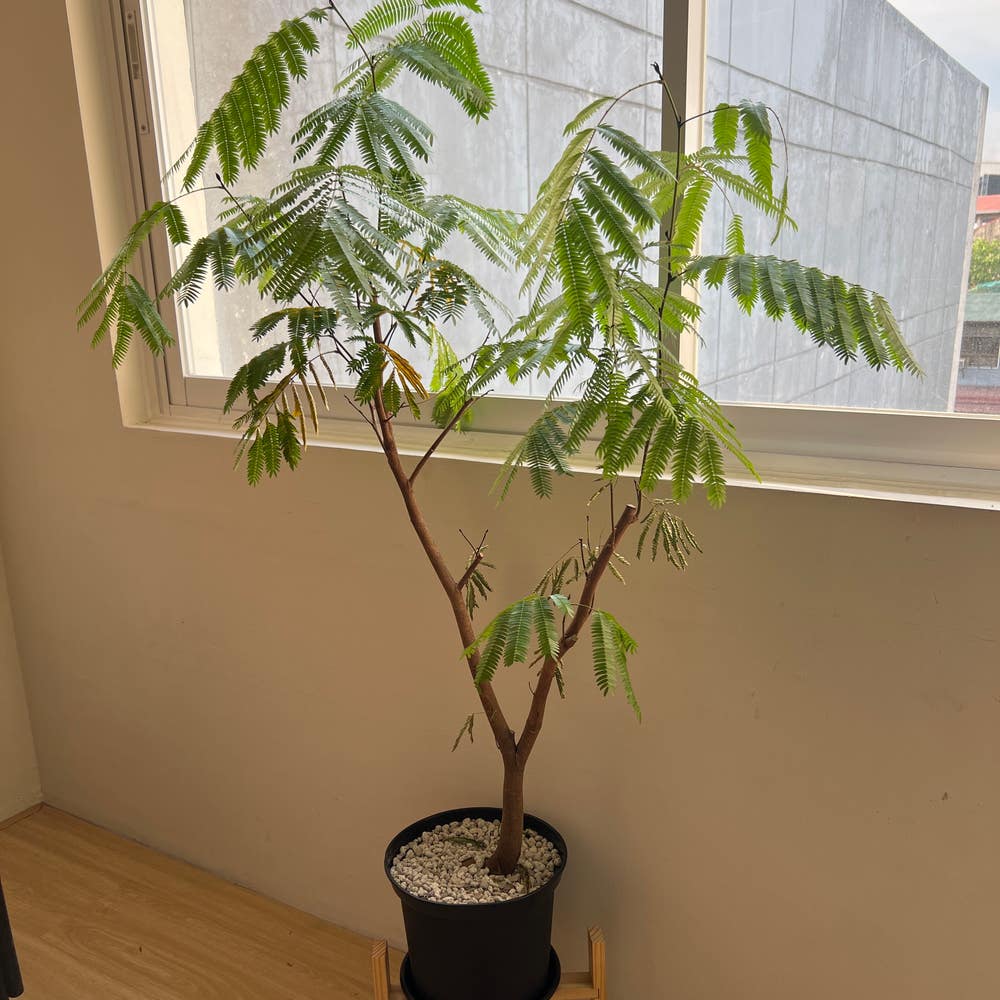
Its fern-like leaves are bipinnate, giving the tree a delicate and airy appearance. Typically, the Silk Tree reaches a height of 20-40 feet, making it a noticeable presence in any landscape.
Look-Alike Plants 👀
One common look-alike is the Mimosa, which features similar flowers but has a more compact growth habit.
To distinguish between the two, note that the Silk Tree has larger leaves and a more upright growth form, setting it apart in both appearance and ecological impact.
Understanding these characteristics is crucial for identifying the Silk Tree and recognizing its potential invasiveness in local ecosystems.
Growth Habits and Spread
🌱 Growth Patterns
Silk Tree is notorious for its rapid growth rate, often reaching maturity in just a few years. This quick development allows it to dominate landscapes, making it a formidable presence in both urban and rural environments.
Its ability to thrive in disturbed soils further enhances its invasive nature. Whether in a bustling city park or a neglected field, Silk Tree finds a way to establish itself and flourish.
🌼 Reproductive Strategies
One of the most concerning aspects of Silk Tree is its prolific seed production. It generates large quantities of seeds that can remain viable for years, ensuring its survival even in challenging conditions.
The methods of seed dispersal are equally effective. Wind and water carry these seeds far and wide, contributing significantly to the plant's widespread distribution. This adaptability makes controlling its spread a daunting task.
As we delve deeper into the ecological impact of Silk Tree, it’s crucial to understand how its growth habits and reproductive strategies contribute to its invasive status.
Ecological Impact
🌱 Effects on Native Communities
Silk Tree forms dense thickets that aggressively outcompete native vegetation. This rapid growth reduces biodiversity by displacing local species, disrupting the delicate balance of ecosystems.
🦉 Impact on Wildlife
The presence of Silk Tree alters habitats significantly. Species that depend on native plants for food and shelter find themselves struggling to survive in these transformed environments.
Control and Management
🌱 Removal Techniques
Removing Silk Tree can be a straightforward process if approached correctly.
Hand-pulling: This method is effective for small infestations and is easy to execute. Just grab the base of the plant and pull it out, ensuring you get the roots to prevent regrowth.
Cutting: For larger trees, use saws or pruners to cut them down. This method requires moderate effort but can significantly reduce the population.
Disposal: Proper disposal is crucial. Make sure to dispose of the cuttings in a way that prevents them from taking root again, such as bagging them or burning them if local regulations allow.
🧪 Chemical Control Options
When manual methods aren't enough, chemical control can be a viable option.
- Herbicides: Certain types are recommended for effectively managing Silk Tree. Look for systemic herbicides that target the roots and follow the application instructions carefully to ensure effectiveness.
🚫 Preventive Measures
Prevention is key in managing Silk Tree spread.
Regular Monitoring: Keep an eye on areas where Silk Trees are known to grow. Early detection can make removal much easier and more effective.
Community Awareness Programs: Educating your community about identifying and managing Silk Tree can create a collective effort in controlling its spread. Workshops and informational flyers can go a long way in raising awareness.
By implementing these control and management strategies, we can mitigate the impact of Silk Tree on our ecosystems. Next, let’s explore the legal status surrounding this invasive species and what regulations are in place to manage its spread.
Legal Status
Regulations 🌱
Silk Tree, also known as Albizia julibrissin, faces increasing scrutiny due to its invasive nature. Both federal and state regulations now govern its cultivation and sale, aiming to curb its spread.
In many regions, Silk Tree is classified as a noxious weed. This designation restricts its planting and encourages removal efforts, reflecting a growing awareness of its ecological impact.
Implications for Landowners ⚖️
Landowners should be aware of these regulations, as non-compliance can lead to fines or mandatory removal. Understanding local laws is crucial for responsible landscaping choices.
Community Engagement 🤝
Community awareness programs are vital in educating the public about the legal status of Silk Tree. These initiatives help foster a collective effort to manage and mitigate its spread effectively.
As we navigate the complexities of managing invasive species, staying informed about regulations empowers us to make better choices for our ecosystems. This knowledge sets the stage for more effective control and management strategies, which we will explore next.
Potential Benefits
Historical Uses 🌸
Silk Tree, known for its striking feathery pink flowers, has often been celebrated in landscaping. Its delicate appearance makes it a popular choice for ornamental gardens, adding a touch of elegance to outdoor spaces.
However, while its aesthetic appeal is undeniable, it's crucial to recognize that these benefits come with significant drawbacks. The rapid spread and invasive nature of Silk Tree can overshadow its ornamental value, leading to ecological harm that far outweighs its visual charm.
In essence, the allure of the Silk Tree should not blind us to its potential to disrupt local ecosystems. Understanding this balance is vital for responsible gardening and landscaping choices.
As we explore the ecological impacts of Silk Tree further, it becomes clear that awareness and management are key to preserving our native environments.
⚠️ Safety First
This content is for general information and may contain errors, omissions, or outdated details. It is not medical, veterinary advice, or an endorsement of therapeutic claims.
Always consult a qualified healthcare professional before using any plant as food, medicine, or supplement.
Never eat any plant (or feed one to pets) without confirming its identity with at least two trusted sources.
If you suspect poisoning, call Poison Control (800) 222-1222, the Pet Poison Helpline (800) 213-6680, or your local emergency service immediately.
Spotted an error? Please report it here.
Protect your local ecosystems from the invasive Silk Tree 🌱 by using Greg's tailored management tips and community support to make informed gardening choices!