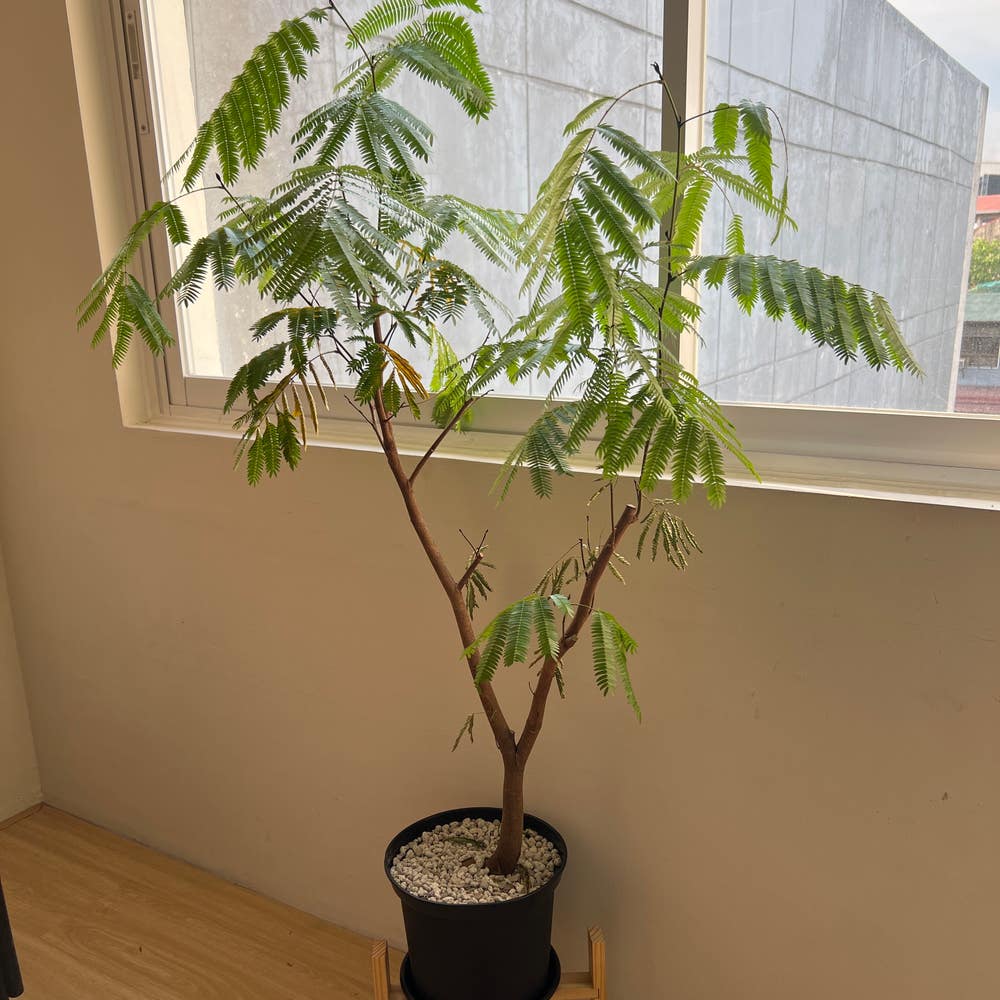
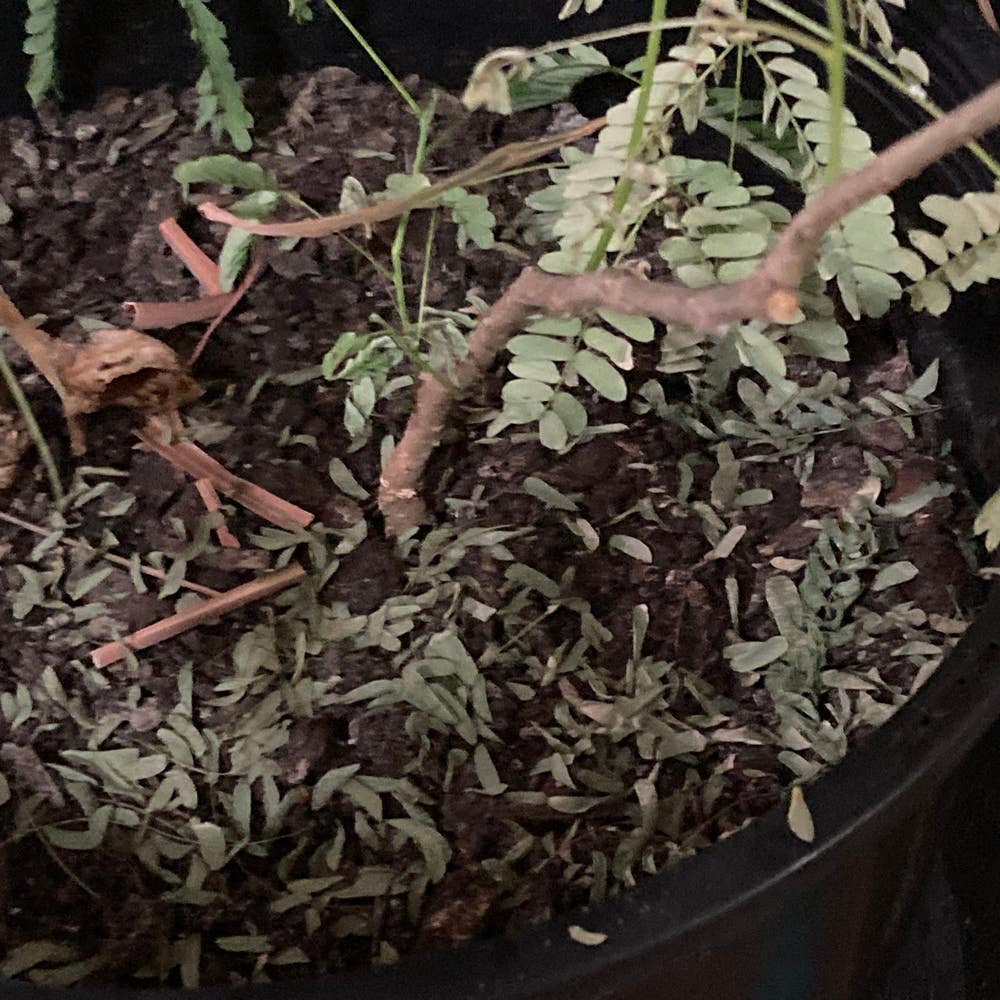
🌸 Mimosa Tree Buds Won't Open
Albizia julibrissin
By the Greg Editorial Team
Oct 09, 2024•5 min read
This article was created with the help of AI so we can cover more plants for you. May contain errors. See one? Report it here.
Transform your Mimosa tree into a blooming beauty 🌸 with essential tips on light, nutrients, and care!
- 🌞 Mimosa trees need 6-8 hours of sunlight daily for optimal blooming.
- 🌱 Nutrient deficiencies in nitrogen, phosphorus, and potassium hinder flower development.
- 💧 Consistent moisture is vital; avoid overwatering to prevent stress and root rot.
Failure to Bloom
🌞 Causes
Insufficient Light
Mimosa trees thrive in full sun, requiring 6-8 hours of direct sunlight daily. If your tree shows stunted growth or sparse foliage, it may not be getting enough light.
Nutrient Deficiencies
Key nutrients like nitrogen, phosphorus, and potassium are vital for blooming. Yellowing leaves and poor flower development are common signs of nutrient deficiencies.
Environmental Stress
Drought and extreme temperatures can stress your Mimosa tree, inhibiting its ability to bloom. Keeping an eye on environmental conditions is crucial for healthy flowering.
💡 Solutions
Adjusting Light Exposure
To improve light conditions, consider relocating your tree to a sunnier spot or trimming surrounding vegetation. This simple adjustment can make a significant difference.
Fertilization Tips
Using a balanced NPK fertilizer can help restore nutrient levels. Apply it every 4-6 weeks during the growing season for optimal results.
Stress Management
Ensure your tree receives consistent moisture without waterlogging. Mulching can also help retain soil moisture and regulate temperature, providing a stable environment for blooming.
By addressing these factors, you can encourage your Mimosa tree to flourish and produce beautiful blooms. Next, let's explore the issue of premature flower drop and how to prevent it.
Premature Flower Drop
🌧️ Causes
Overwatering
Overwatering is a common culprit behind premature flower drop in Mimosa trees. Signs include wilting leaves and root rot, which indicate that excess moisture is suffocating the roots and leading to bud drop.
Pest Infestations
Pests like aphids and spider mites can wreak havoc on your Mimosa tree. Look for symptoms such as distorted leaves and sticky residue, which signal that these pests are affecting your plant's health.
Sudden Temperature Changes
Rapid fluctuations in temperature can stress your Mimosa tree, causing buds to drop unexpectedly. Keeping an eye on weather changes can help you mitigate this issue.
🛠️ Solutions
Watering Techniques
To prevent overwatering, allow the soil to dry slightly between waterings. Using moisture meters can help you monitor soil conditions accurately.
Pest Control Methods
For pest infestations, consider organic options like neem oil or insecticidal soap. Regular inspections are crucial for early detection and effective management.
🌡️ Temperature Regulation
To protect your Mimosa tree from temperature extremes, provide shade during heat waves and cover it during cold snaps. These simple strategies can help maintain a stable environment for blooming.
By addressing these causes and implementing effective solutions, you can significantly reduce the chances of premature flower drop in your Mimosa tree. Next, let’s explore how abnormal flower development can also affect your tree’s blooming potential.
Abnormal Flower Development
🌱 Causes
Poor Soil Conditions
Well-draining, nutrient-rich soil is crucial for healthy Mimosa trees. If the soil lacks these qualities, you might notice stunted growth and malformed flowers.
Inadequate Pruning
Overgrown branches can obstruct light and air circulation, leading to reduced flowering. Signs of this issue include dense foliage and a lack of blooms.
Disease
Common diseases like fungal infections and root rot can severely impact flower development. Symptoms often manifest as discolored leaves and wilting, signaling that something is amiss.
🛠️ Solutions
Soil Amendment Strategies
To improve soil conditions, consider adding compost or well-rotted manure. Regularly test your soil pH, aiming for a range between 6.0 and 7.0 for optimal growth.
Proper Pruning Techniques
Timing is key when it comes to pruning. Late winter or early spring is ideal for thinning out crowded branches and removing any dead or diseased wood.
Disease Management
Preventing disease starts with ensuring good air circulation around your trees. Avoid overhead watering, and if infections occur, use fungicides and dispose of any infected material properly.
By addressing these factors, you can encourage your Mimosa tree to flourish and produce beautiful blooms. Next, let’s explore how nutritional factors play a vital role in flowering.
Nutritional Factors Affecting Flowering
🌸 Essential Nutrients for Blooming
To achieve vibrant blooms, your Mimosa tree needs a balanced diet of essential nutrients.
- Nitrogen is crucial for promoting lush, leafy growth, ensuring your tree has the energy to thrive.
- Phosphorus plays a vital role in flower and root development, helping to establish a strong foundation for blooming.
- Potassium enhances overall plant health and resilience, making your tree more robust against environmental stressors.
Recognizing nutrient deficiencies is key to maintaining healthy blooms. Symptoms like leaf discoloration and poor flower formation can indicate that your tree isn't getting the nutrients it needs.
🌱 Fertilization Strategies
Choosing the right fertilizer can make all the difference for your Mimosa tree.
- Slow-release granular fertilizers are highly recommended for their ability to provide nutrients over time, reducing the risk of over-fertilization.
Timing is also essential for effective fertilization.
- Apply fertilizer in early spring to kickstart growth.
- Follow up with another application in mid-summer to support ongoing development.
When applying, ensure you evenly distribute the fertilizer around the root zone. This method promotes even nutrient uptake, leading to healthier blooms.
By focusing on these nutritional factors, you can significantly enhance your Mimosa tree's flowering potential. Next, let’s explore the importance of pruning and how it can further influence blooming.
Pruning and Its Effects on Flowering
When to Prune 🌱
Timing is crucial for effective pruning. The best times to prune your Mimosa tree are late winter or early spring, just before the new growth begins.
Look for signs that pruning is necessary. Overcrowded branches and dead or diseased wood are clear indicators that your tree needs some attention.
Pruning Techniques ✂️
To promote healthy growth, consider using thinning cuts. This method improves air circulation, allowing your tree to thrive.
Be mindful of common mistakes. Over-pruning or making improper cuts can stress your tree, leading to more problems down the line.
Pruning is not just about cutting; it's about nurturing your Mimosa tree for vibrant blooms. With the right techniques and timing, you can encourage a flourishing display of flowers.
As you refine your pruning skills, you'll be better equipped to tackle the next topic: understanding the nutritional factors that affect flowering.
⚠️ Safety First
This content is for general information and may contain errors, omissions, or outdated details. It is not medical, veterinary advice, or an endorsement of therapeutic claims.
Always consult a qualified healthcare professional before using any plant as food, medicine, or supplement.
Never eat any plant (or feed one to pets) without confirming its identity with at least two trusted sources.
If you suspect poisoning, call Poison Control (800) 222-1222, the Pet Poison Helpline (800) 213-6680, or your local emergency service immediately.
Spotted an error? Please report it here.
Unlock your Mimosa tree's blooming potential with tailored care 🌿 from Greg, ensuring it gets the sunlight, nutrients, and attention it needs to thrive!