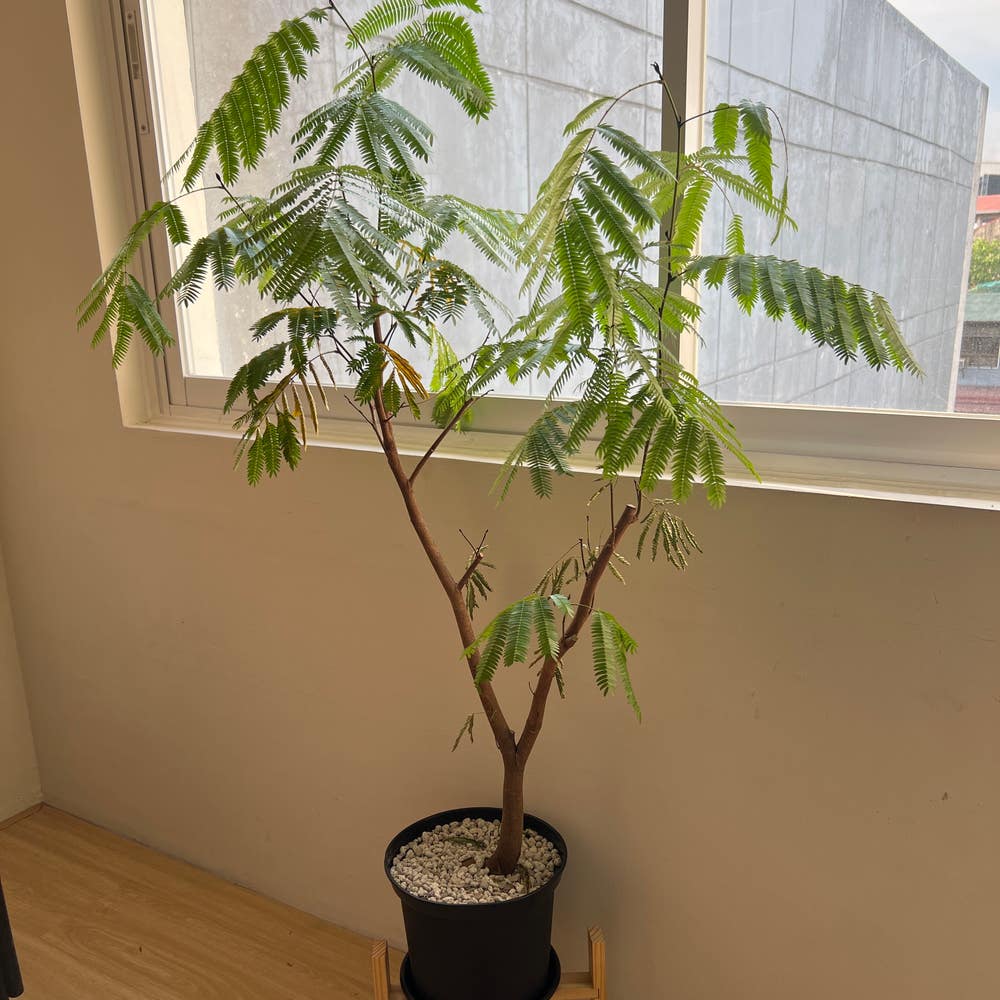
Best Tips for Healthy Formosa Tree Roots 🌳
Albizia julibrissin
By the Greg Editorial Team
Nov 25, 2024•7 min read
This article was created with the help of AI so we can cover more plants for you. May contain errors. See one? Report it here.
Cultivate a thriving Formosa tree 🌳 by mastering its vital root system for robust growth and resilience!
- 🌳 Formosa tree roots provide stability and access to deep water sources for growth.
- 🌱 Healthy roots absorb nutrients efficiently; monitor for signs of rot and water properly.
- 🔄 Transplant in spring or fall to minimize stress and promote healthy root development.
Root System Characteristics
The Formosa tree boasts a robust root system that is essential for its stability and growth. At its core, the tree features a strong taproot that anchors it firmly into the ground.
Taproot Stability 🌳
This taproot not only provides stability but also allows the tree to access deeper water sources. This capability is crucial, especially during dry spells when surface moisture may be scarce.
Fibrous Roots for Nutrient Absorption 🌱
In addition to the taproot, the Formosa tree develops fibrous roots that spread widely. These roots are designed to efficiently absorb nutrients from the surrounding soil, ensuring the tree remains healthy and vibrant.
Understanding these root system characteristics is vital for anyone looking to cultivate a thriving Formosa tree. With a solid foundation, the tree can withstand various environmental stresses, making it a resilient choice for gardens and landscapes.
Next, we will explore the typical root depth and spread of the Formosa tree, shedding light on how these factors contribute to its overall health.
Root Depth and Spread
Typical Root Depth 🌱
The root system of a mature Formosa tree typically features a taproot that reaches depths of 2-3 feet (60-90 cm). This depth is influenced by several factors, including soil type, moisture availability, and the age of the tree.
Root Spread Patterns 🌍
Roots of the Formosa tree can extend 2-3 times the width of the canopy. This expansive spread is crucial for nutrient absorption and stability.
Horizontal Spread
The roots primarily grow horizontally, allowing the tree to access a wider range of nutrients. This growth pattern is essential for the tree's overall health and resilience.
Aerial Roots
Under specific conditions, the Formosa tree may develop aerial roots. These roots can help with stability and additional nutrient uptake, especially in challenging environments.
Importance of Root Spread 🌳
A well-developed root spread is vital for the tree's stability and nutrient absorption. It ensures that the tree can thrive, even in varying soil conditions and during periods of drought.
Understanding the root depth and spread of the Formosa tree is essential for effective care and maintenance. This knowledge sets the foundation for addressing watering, fertilizing, and transplanting needs in the next section.
Watering, Fertilizing, and Transplanting
🌱 Impact of Root System on Watering Needs
Proper watering is essential for the health of Formosa tree roots. Allow the topsoil to dry out between waterings to prevent waterlogged conditions.
Overwatering can lead to yellowing leaves, wilting, and root rot. Keep an eye on your tree's condition to ensure it receives just the right amount of moisture.
🌿 Fertilization Techniques for Healthy Roots
To promote robust root growth, use balanced NPK fertilizers during the growing season. This will provide the necessary nutrients for your tree to thrive.
A fertilization schedule of every 4-6 weeks during active growth will help maintain healthy roots. Consistent feeding supports overall plant vigor and resilience.
🌳 Best Practices for Transplanting
Transplanting can be stressful for trees, so timing is crucial. Aim to transplant in early spring or fall to minimize stress on the plant.
Follow these steps for a successful transplant:
- Prepare a new pot with well-draining soil.
- Water the tree a day before transplanting.
- Gently remove the tree from its current pot, preserving the root ball.
- Place it in the new pot and fill with soil, ensuring the root collar is level with the soil surface.
- Water thoroughly after transplanting to help settle the soil.
By following these practices, you can ensure your Formosa tree's roots remain healthy and strong, setting the stage for future growth. Next, let’s explore common root-related issues and how to address them effectively.
Common Root-Related Issues
Identifying Root Rot 🌱
Root rot is a common issue that can severely affect your Formosa tree. Look out for symptoms such as wilting, yellowing leaves, and mushy roots, which are clear indicators that something is wrong.
To prevent root rot, ensure your pots have proper drainage. Avoid overwatering and opt for well-draining soil to keep your tree's roots healthy and thriving.
Solutions for Unhealthy Roots 🛠️
If you discover root rot, immediate action is necessary. Start by removing the affected roots and repotting the tree in fresh soil to give it a fighting chance.
Adjusting your watering schedule is crucial to prevent recurrence. Regularly monitor root health to catch any issues early, ensuring your tree remains vibrant and strong.
By staying vigilant and proactive, you can maintain a healthy root system that supports your Formosa tree's overall well-being.
Indicators of Root Health
👀 Visual Cues of Healthy vs Unhealthy Roots
Healthy roots are a sight to behold. They should feel firm to the touch, exhibit a white or light tan color, and carry no foul odor.
In contrast, unhealthy roots tell a different story. Look for dark brown or black hues, a mushy texture, and an unpleasant smell—these are clear indicators that something is wrong.
📊 Other Indicators of Root Health
Beyond the roots themselves, overall plant vigor is a crucial indicator of root health. Pay attention to leaf color, growth rate, and the plant's resilience to stress.
Soil moisture levels also play a significant role. Aim for consistency in moisture without waterlogging, as this balance is vital for thriving roots.
By keeping an eye on these indicators, you can ensure your Formosa tree remains healthy and vibrant. Understanding root health is essential for nurturing your tree's overall well-being and longevity.
As we move forward, let’s explore how to address common root-related issues that may arise.
Rootbound Plants
Definition and Recognition 🌱
Rootbound plants occur when roots circle around the pot, restricting their growth. This condition can lead to several visible signs, including stunted growth, yellowing leaves, and roots that emerge from drainage holes.
When and How to Address Rootbound Issues 🛠️
Intervention is necessary as soon as you notice signs of rootbound conditions.
- Gently remove the plant from its pot.
- Trim any circling roots to encourage new growth.
- Repot the plant in a larger container filled with fresh soil.
Addressing rootbound issues promptly can revitalize your plant, allowing it to thrive once again. By ensuring your plant has enough space to grow, you promote healthier roots and overall vitality.
As you care for your plants, keep an eye out for these signs to maintain their health and encourage robust growth.
Propagation and Division
🌱 Importance of Root Health in Propagation
Healthy roots are the backbone of successful propagation and division. They provide the necessary stability and nutrients for new growth, making it essential to ensure their vitality before attempting to propagate.
Timing is also crucial for effective propagation. Aim for early spring or late summer, as these periods promote optimal growth conditions for the new plants.
✂️ Techniques for Dividing Effectively
Dividing a tree can seem daunting, but following a few straightforward steps can make the process manageable.
- Water the tree a day before division: This helps to hydrate the roots and makes removal easier.
- Carefully remove the tree from its pot: Gently loosen the soil around the edges to avoid damaging the roots.
- Use a clean, sharp knife to divide the root ball into sections: Ensure each section has a good amount of roots attached.
- Replant each section in its own pot with appropriate soil: Choose a well-draining mix to support healthy growth.
It's vital to ensure that each division has sufficient roots for stability and growth. This attention to detail will set the stage for thriving new plants.
With these techniques in hand, you're well-equipped to propagate and divide your Formosa tree successfully. Next, let's explore how to recognize and address rootbound conditions to keep your plants healthy and thriving.
⚠️ Safety First
This content is for general information and may contain errors, omissions, or outdated details. It is not medical, veterinary advice, or an endorsement of therapeutic claims.
Always consult a qualified healthcare professional before using any plant as food, medicine, or supplement.
Never eat any plant (or feed one to pets) without confirming its identity with at least two trusted sources.
If you suspect poisoning, call Poison Control (800) 222-1222, the Pet Poison Helpline (800) 213-6680, or your local emergency service immediately.
Spotted an error? Please report it here.
Nurture your Formosa tree's roots to be robust and resilient 🌳 with Greg's tailored watering alerts and nutrient tips that ensure your tree thrives!