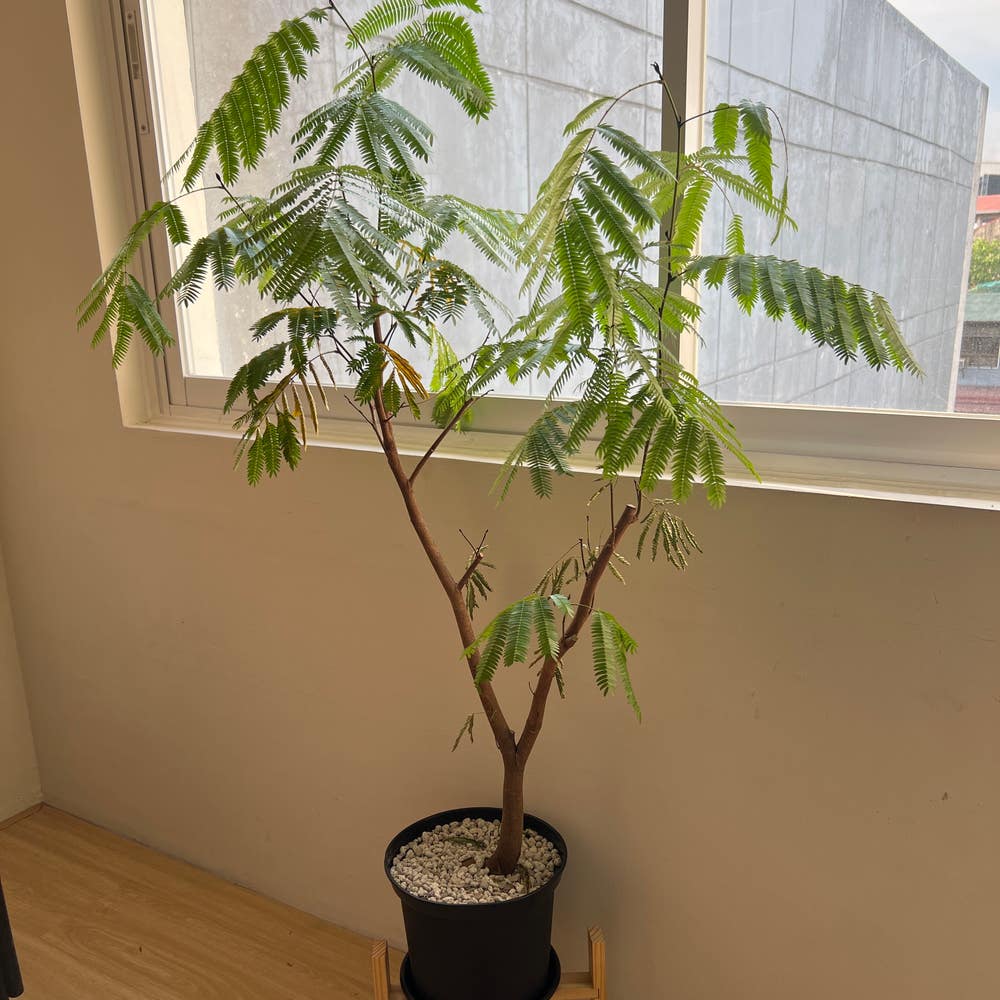
Formosa Tree Width: Planning Your Garden
Albizia julibrissin
By the Greg Editorial Team
Nov 25, 2024•5 min read
This article was created with the help of AI so we can cover more plants for you. May contain errors. See one? Report it here.
Transform your garden with thriving Formosa trees 🌳 that enhance your landscape and bring beauty to your space!
- 🌳 Formosa trees grow 30-50 feet tall; plan for their expansive width of 20-30 feet.
- ☀️ They need 6-8 hours of sunlight daily and well-drained, nutrient-rich soil.
- ✂️ Pruning controls size; best done late winter to early spring for optimal growth.
Mature Height and Spread
Height 🌳
The Formosa tree typically reaches a height range of 30 to 50 feet. Several factors influence this height, including soil quality, water availability, and sunlight exposure.
Spread 🌿
When it comes to spread, the average width of a Formosa tree is between 20 to 30 feet. Understanding its spread is crucial in landscape design, as it impacts surrounding plants and determines the space required for healthy growth.
Growth Rate and Time to Full Size ⏳
The growth rate of the Formosa tree can vary significantly. In ideal conditions, you may witness rapid growth, while suboptimal environments can slow it down considerably.
On average, it takes about 10 to 20 years for a Formosa tree to reach its full size. Factors such as soil quality, water availability, and sunlight exposure play a vital role in determining this timeframe.
This knowledge about height, spread, and growth rate is essential for planning your garden effectively. With the right conditions, you can cultivate a thriving Formosa tree that enhances your landscape beautifully.
Next, we will explore the various factors that affect the size of the Formosa tree, ensuring you have all the information needed for successful growth.
Factors Affecting Size
🌱 Soil Type and Quality
For optimal growth, Formosa trees thrive in well-drained soils. Nutrient-rich soils not only support healthy development but also promote faster growth, making soil quality a crucial factor in your gardening success.
☀️ Sunlight Exposure
These trees require full sun, needing about 6-8 hours of direct sunlight daily. Insufficient sunlight can stunt growth and reduce overall size, so ensure your planting location receives ample light.
💧 Watering Practices
Maintaining consistent moisture is key, but be cautious of overwatering. Drought conditions can severely impact tree size, leading to stunted growth and increased vulnerability to stress.
🌡️ Climate Considerations
Formosa trees flourish in subtropical to tropical climates. However, extreme temperatures can hinder growth and lead to size variability, so consider your local climate when planning your garden.
Understanding these factors will help you create an environment that supports the healthy growth of your Formosa tree. With the right conditions, you can enjoy a thriving addition to your landscape.
Varieties
🌱 Dwarf Varieties
Dwarf Formosa trees are perfect for smaller gardens or limited spaces. They typically reach a height range of 10-15 feet, making them manageable and easy to incorporate into various landscape designs.
These compact trees offer the same beautiful foliage and vibrant blooms as their larger counterparts, allowing you to enjoy their charm without overwhelming your garden. They can thrive in pots or small garden beds, providing versatility for urban gardeners or those with limited outdoor space.
🌳 Giant Varieties
On the other end of the spectrum, giant Formosa trees can exceed heights of 50 feet under optimal conditions. These majestic specimens are ideal for larger landscapes where they can truly shine and make a statement.
When considering giant varieties, it's essential to plan for their expansive growth. Ensure you have enough space to accommodate their wide spread and towering height, as they can significantly impact the surrounding environment and other plants.
In summary, whether you're looking for a dwarf variety to fit snugly in a small garden or a giant variety to dominate a spacious landscape, Formosa trees offer options that cater to diverse gardening needs. Understanding these varieties will help you make informed decisions as you plan your garden.
Size Control Techniques
Controlling the size of your Formosa tree is essential for maintaining a balanced garden. Pruning is one of the most effective methods to manage tree size and promote healthy growth.
✂️ Pruning Methods
Pruning plays a crucial role in controlling the size of your tree. It helps shape the tree and encourages better air circulation and sunlight penetration.
- Crown Thinning: This technique involves selectively removing branches to reduce density while maintaining the tree's natural shape. It enhances light exposure and air flow.
- Topping (with caution): While topping can reduce height, it should be approached carefully. This method can lead to weak growth and increased susceptibility to disease if not done properly.
⏰ Timing and Techniques for Effective Pruning
Timing is everything when it comes to pruning. The best time to prune your Formosa tree is late winter to early spring, just before new growth begins.
Follow these steps for effective pruning:
- Assess Tree Structure: Evaluate the tree's current shape and decide on the desired size.
- Use Clean, Sharp Tools: Ensure your pruning tools are clean and sharp to make precise cuts.
- Remove Dead or Crossing Branches: Eliminate any branches that are dead or crossing to promote healthy growth.
- Trim Back to a Lateral Branch: For shaping, cut back to a lateral branch to encourage a more natural appearance.
🌱 Other Methods to Control Growth
In addition to pruning, there are other techniques to manage the size of your Formosa tree.
- Root Pruning Techniques: This method involves cutting back the roots to limit growth. Timing is crucial; root pruning is best done during the tree's dormant season.
- Use of Growth Inhibitors: In some cases, growth inhibitors can be applied to slow down growth. However, this should be done with caution and typically under professional guidance.
By implementing these size control techniques, you can ensure your Formosa tree thrives while fitting beautifully into your garden's design.
As you plan your garden, consider the various factors that influence tree growth and size, which will be explored in the next section.
Common Misconceptions
Myths About Size 🌳
One common myth is that trees will always reach their maximum height. In reality, the size of a Formosa tree can be managed through careful cultivation and attention to environmental conditions.
Clarifying Expectations 📏
It's essential to have realistic growth expectations based on your specific conditions. Understanding the growth habits of the Formosa tree will help you plan and maintain your garden effectively.
By recognizing these misconceptions, you can make informed decisions that support healthy growth and a thriving landscape. Next, let's explore the various factors that affect the size of your Formosa tree.
⚠️ Safety First
This content is for general information and may contain errors, omissions, or outdated details. It is not medical, veterinary advice, or an endorsement of therapeutic claims.
Always consult a qualified healthcare professional before using any plant as food, medicine, or supplement.
Never eat any plant (or feed one to pets) without confirming its identity with at least two trusted sources.
If you suspect poisoning, call Poison Control (800) 222-1222, the Pet Poison Helpline (800) 213-6680, or your local emergency service immediately.
Spotted an error? Please report it here.
Plan your garden for thriving Formosa trees 🌳 with Greg's tailored care reminders that ensure they grow beautifully in their ideal environment!