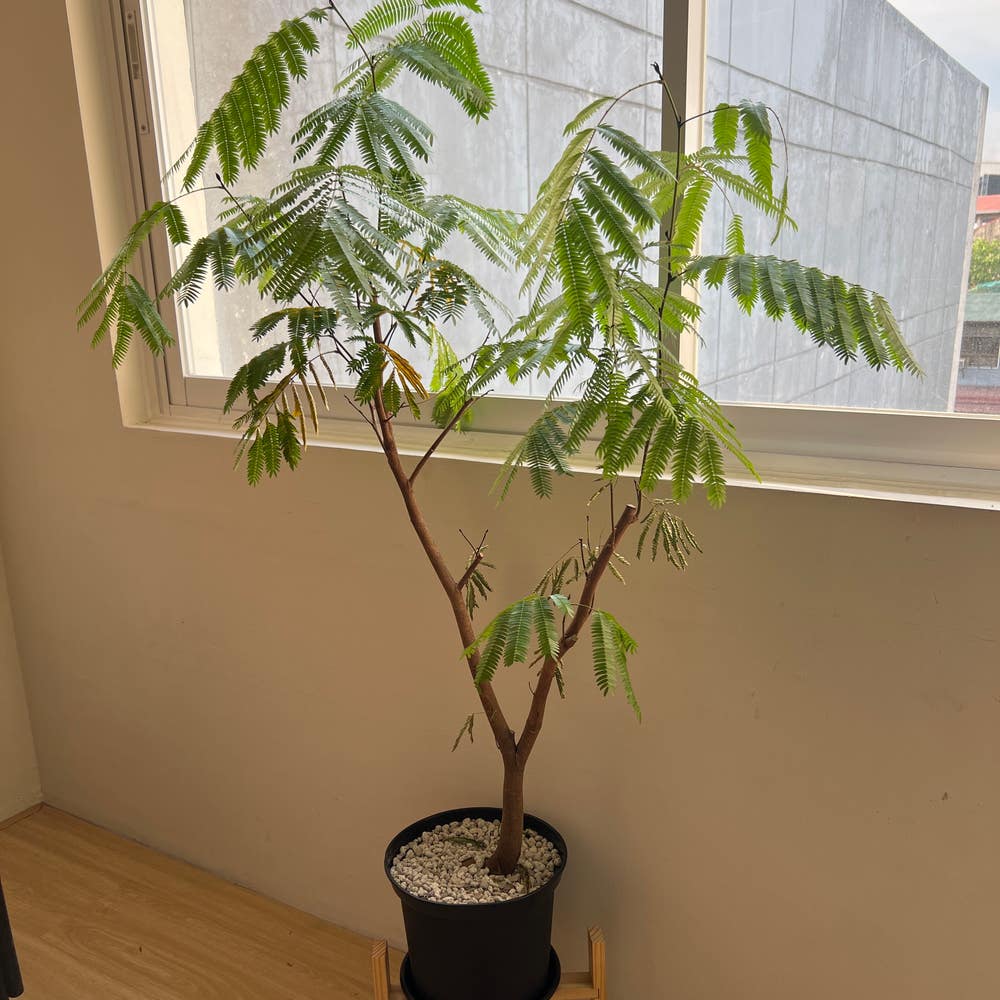
What Temperature Does My Pink Silk Tree Need?
Albizia julibrissin
By the Greg Editorial Team
Jun 18, 2024•5 min read
This article was created with the help of AI so we can cover more plants for you. May contain errors. See one? Report it here.
Nurture a thriving Pink Silk Tree 🌸 by dialing in its ideal temperature sweet spot!
- 🌡️ Optimal range 65°F to 85°F for Pink Silk Tree health.
- Wilting or discolored leaves signal temperature stress.
- Protect from drafts and extreme weather to maintain bloom and leaf quality.
When It's Just Right: The Pink Silk Tree's Favorite Temperatures
♨️ The Goldilocks Zone for Pink Silk Trees
The optimal temperature range for Pink Silk Trees is a cozy 65°F to 85°F. This is the sweet spot where these trees flourish, basking in the warmth without breaking a sweat.
❄️🔥 What Happens When It Gets Too Hot or Too Cold
Venture outside this range, and the Pink Silk Tree starts to protest. Above 85°F, leaves may wilt as if begging for a break from the sun's relentless gaze. Below 65°F, growth slows, and the tree's vibrant colors fade, a clear sign of its discomfort.

Spotting the Signs: When Your Pink Silk Tree Feels the Heat (or Chill)
🥵 Wilting Leaves: A Cry for Cooler Air
When your Pink Silk Tree's leaves droop like they've given up on life, it's not just a bad day; it's a heatwave alert. Crispy edges? Your tree is practically baking. It's screaming for a break from the sun's relentless rays.
🌡️ Discoloration: The Tale of Temperature Tantrums
Leaves changing color faster than a chameleon on a disco floor isn't a party trick—it's a sign of temperature stress. If they're turning brown or black, especially at the tips, your Pink Silk Tree is likely throwing a fit over the extreme temps.

The Usual Suspects: What's Messing with Your Tree's Temperature?
🌬️ Drafty Dilemmas: Avoiding the Sneaky Chills
Drafts are the unseen antagonists in your Pink Silk Tree's life story. They bring sudden chills that can stress your plant, much like an unexpected cold shoulder can ruin your day. Keep your tree away from those treacherous windows and doors that let in more than just light and people.
🌡️ Heat Waves and Cold Snaps: Preparing for Extreme Weather
When the weather throws a curveball, your Pink Silk Tree feels it. Heat waves can scorch, and cold snaps can bite. To shield your tree, think of it as a VIP needing protection from paparazzi—move it to a safe spot when the forecast screams extreme. Remember, your tree's comfort equals its survival.

Flower Power and Leafy Health: The Stakes of Staying Warm (But Not Too Warm)
🌸 Blooms on the Brink: Temperature's Role in Flowering
The Pink Silk Tree demands temperature precision for its showy blooms. Too hot or too cold, and you can kiss those flowers goodbye. The tree's transition from leafy green to floral fiesta hinges on stable temperatures. Sudden spikes or drops are like throwing a wrench in the works, resulting in sad, subpar blooms or none at all.
During the chill of winter, a cooler climate is bearable, but keep an eye out for spindly growth. Pair the cold with less watering to dodge root rot. Come summer, shield your tree from scorching heat to prevent it from frying.
🍃 Keeping Leaves Lush: The Warmth They Need
Leaves are the Pink Silk Tree's health barometer. Consistent warmth is their happy place. Fluctuating temperatures? Not so much. It's like a bad relationship—stressful and unfulfilling. Keep the temperature steady, and your tree's leaves stay vibrant and robust.
Remember, leaf temperature can be a trickster, influenced by factors like radiation and humidity. Keep it stable, and you'll avoid the drama of droopy, discolored, or crispy leaves. In the end, it's about giving your Pink Silk Tree that cozy, predictable environment where it can thrive without you fussing over it every second.
A Quick Nod to Humidity: It's Not All About the Heat
💦 Humidity: The Pink Silk Tree's Silent Partner
While temperature takes the spotlight, humidity plays a supporting role in your Pink Silk Tree's well-being. This tree flourishes in moderate humidity, reminiscent of its natural habitat. Too dry, and you might find the leaves less than lustrous; too moist, and you're inviting a host of potential issues.
The Humidity-Temperature Tango
It's a delicate dance between humidity and temperature. They move together, each step calibrated. If the air's too cold, humidity can drop, leaving your tree in a less than tropical state. Conversely, don't let a warm room turn into a steam bath. Aim for that sweet spot, where the air feels like a soft, tropical embrace.
Tools of the Trade
Hygrometers aren't just fancy gadgets; they're your eyes into the unseen world of air moisture. Use one to keep tabs on the humidity levels around your Pink Silk Tree. It's not about guessing; it's about providing the perfect environment with precision.
Creating a Microclimate
Grouping plants can create a microclimate that naturally boosts humidity. It's like your Pink Silk Tree is at a gathering where every plant contributes to the moisture in the air. This communal approach can be a simple, effective way to maintain the humidity levels your tree craves.
Ventilation: The Breath of Fresh Air
Remember, it's not just about adding moisture. Ventilation is key. Keep the air moving with a gentle fan or an occasional window opening. It's about striking a balance, ensuring your Pink Silk Tree enjoys a breath of fresh air without catching a cold.
⚠️ Safety First
This content is for general information and may contain errors, omissions, or outdated details. It is not medical, veterinary advice, or an endorsement of therapeutic claims.
Always consult a qualified healthcare professional before using any plant as food, medicine, or supplement.
Never eat any plant (or feed one to pets) without confirming its identity with at least two trusted sources.
If you suspect poisoning, call Poison Control (800) 222-1222, the Pet Poison Helpline (800) 213-6680, or your local emergency service immediately.
Spotted an error? Please report it here.
Keep your Pink Silk Tree thriving 🌸 with Greg's environment tracking to ensure the sweet spot of warmth and humidity for perfect blooms.