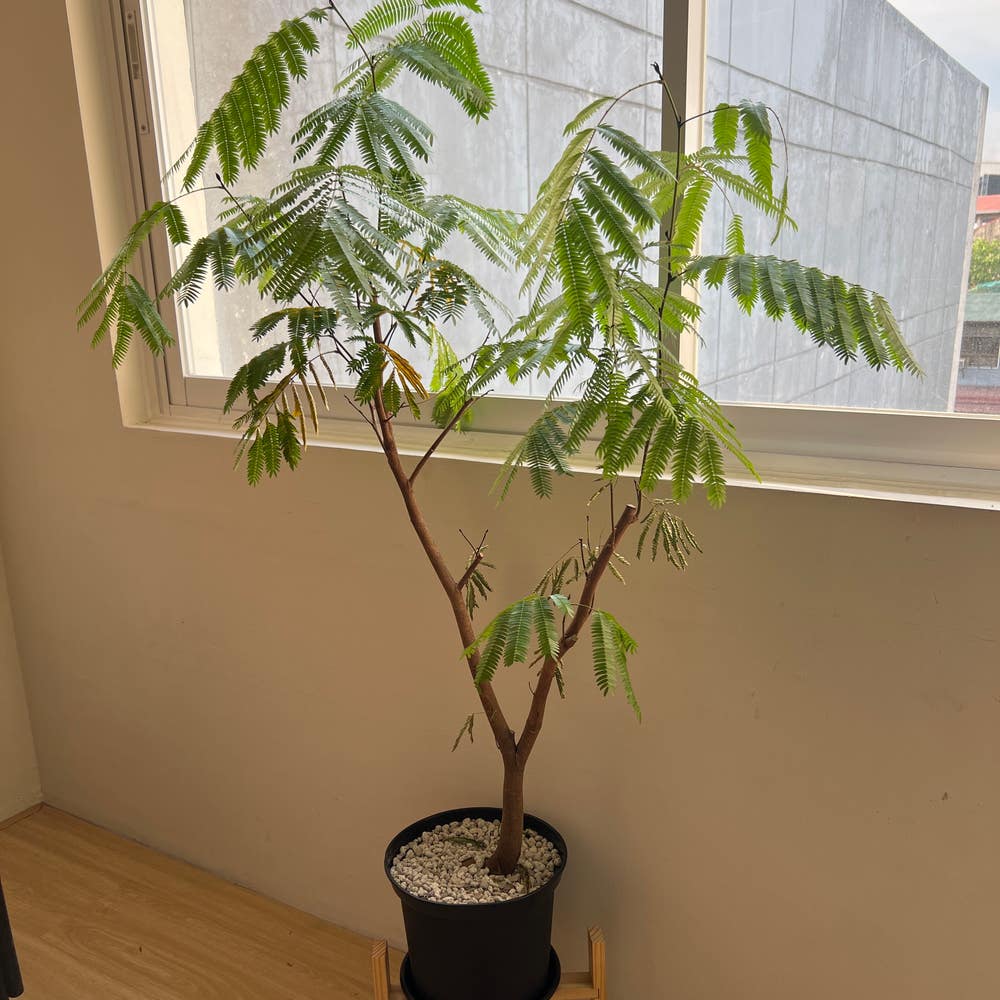
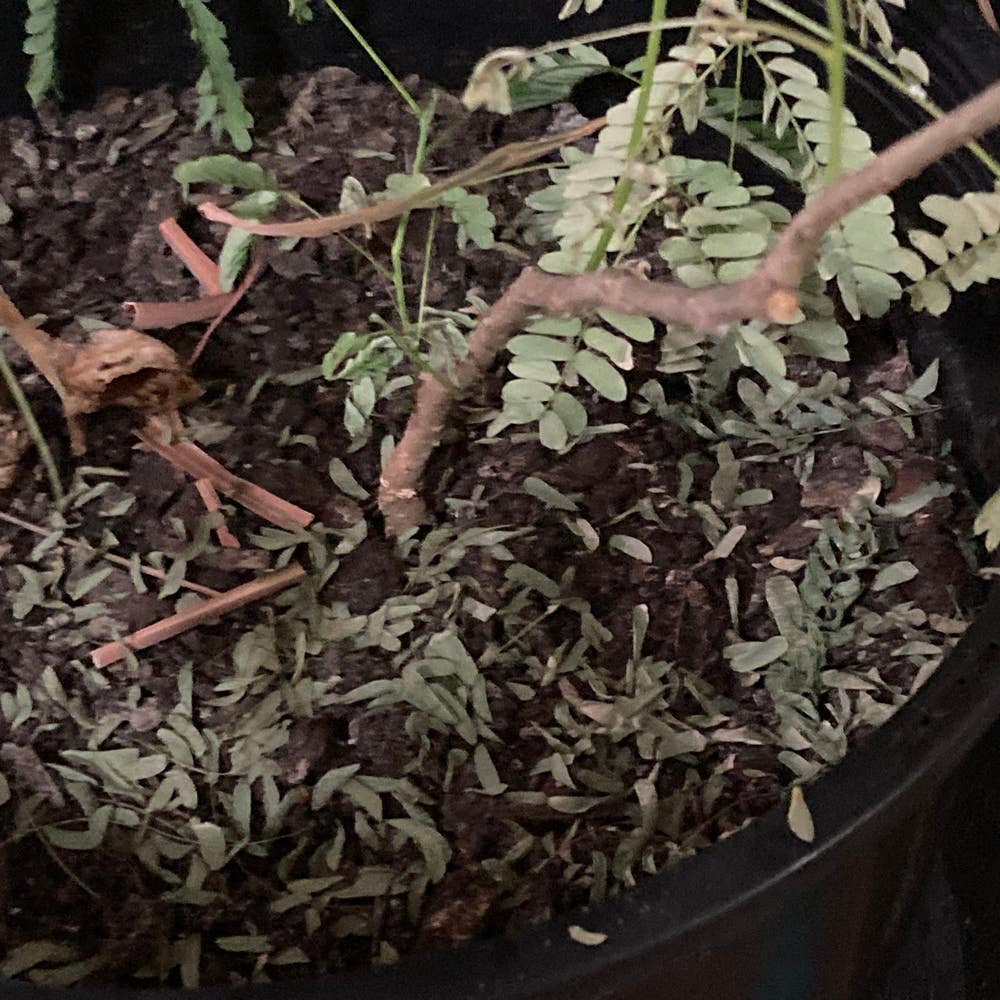
Why Are There Black Spots on My Pink Silk Tree Leaves?
Albizia julibrissin
By the Greg Editorial Team
Jun 18, 2024•5 min read
This article was created with the help of AI so we can cover more plants for you. May contain errors. See one? Report it here.
Safeguard your Pink Silk Tree's allure 🌸 by tackling the black spots compromising its health and splendor.
- Black spots signal distress, hinting at fungal or bacterial issues.
- Prevent with dry leaves, clean cuts, and good air circulation.
- Treat with targeted fungicides or bactericides, applied correctly.
Spotting the Trouble: Recognizing Black Spots
🔍 Visual Cues: The First Alert
Black spots on Pink Silk Tree leaves are alarm bells. These spots, often circular or irregular in shape, can start as tiny specks and expand into larger lesions. They're not just blemishes; they're distress signals.
📈 Progression: A Plant's Cry for Help
The spread of these spots is a critical indicator. If they migrate from new leaves to older foliage, it's a clear sign the tree is struggling. Rapid expansion of black spots suggests a more severe issue.
🚨 Beyond the Spots: Other Symptoms
Look for additional signs of trouble such as yellowing leaves or a general decline in the tree's vigor. These symptoms, coupled with black spots, often point to a larger health problem needing immediate attention.
🎯 Spot Characteristics: Knowing What to Look For
Texture gives clues about the spots. They may be raised, sunken, or flat, and sometimes exhibit feathery edges or concentric rings. Tiny black dots within the spots could be fungal fruiting bodies, signaling an infection.
🌊 The Ripple Effect: Understanding the Impact
Black spots do more than mar the tree's appearance; they can impair photosynthesis. This can lead to a domino effect, reducing the tree's overall vitality as if it's running a marathon with a weighted vest.
🩺 Regular Check-Ups: Early Detection
Regular inspection of your Pink Silk Tree is like a health screening. Catching black spots early is akin to catching a typo before it's too late. It's essential to be proactive and vigilant to maintain the tree's health.

Unveiling the Culprits: Causes of Black Spots
🍄 Fungal Foes
Fungi are the prime suspects when it comes to black spots on Pink Silk Tree leaves. These organisms thrive in moist environments, turning your tree's foliage into their personal canvas. Common fungal diseases like Cercospora and Anthracnose love nothing more than high humidity and poor air circulation to start their dirty work. They manifest as powdery or dusty spots, often starting small and growing in size as the infection spreads.
🦠 Bacterial Bullies
Bacteria are the stealthy culprits that can also cause black spots. They sneak in through wounds or natural openings in the leaves and set up shop. Bacterial infections, such as those caused by Pseudomonas, create slimy, dark spots that can quickly become a blight if left unchecked. Prolonged leaf wetness is their playground, so keeping leaves dry is crucial in the fight against these microscopic invaders.
🌿 Environmental Accomplices
It's not just pathogens causing chaos; the environment plays a role too. Overwatering and leaving leaves wet are like rolling out the red carpet for both fungi and bacteria. Stagnant air acts as the silent partner, allowing moisture to linger and giving these pathogens the perfect conditions to thrive. To prevent black spots, it's essential to manage environmental factors like humidity and air circulation effectively.

Shielding Your Silk Tree: Prevention Tactics
Preventing black spots on your Pink Silk Tree is about outsmarting the elements and pathogens. Here's how to keep your tree in top shape.
🌧️ Keep It Dry, Keep It High
Water at the base of your Pink Silk Tree to avoid wetting the leaves. This simple step can drastically reduce the risk of fungal diseases that thrive in moisture. Remember, overhead watering is a no-no; it's like throwing a wet blanket over your tree's chances of staying spot-free.
🌱 Clean Cuts and Clear Space
Sanitize your pruning tools before and after use. It's like sending your tree to a surgeon who washes their hands—non-negotiable. Prune to maintain that iconic umbrella shape, but don't get carried away. Each cut should be thoughtful, preventing overcrowding and promoting good air flow.
🌬️ Breezy and Bright
Ensure your Pink Silk Tree basks in adequate sunlight and enjoys a gentle breeze. Good air circulation is like giving your tree a personal space bubble—it keeps the pathogens at bay. If your tree's leaves are doing a sad tango with the wind, consider a windbreak to dial down the drama.

Battling the Blight: Treatment Strategies
🛡️ Choosing Your Arsenal: Fungicides
When black spots mar your Pink Silk Tree, fungicides step up to the plate. Selecting the right one is like choosing a chess move against your pathogenic opponent. Copper-based fungicides act as a preventive shield, warding off fungal invaders before they wreak havoc. For a systemic approach, chemicals like tebuconazole and triticonazole are the heavy hitters, working from the inside to stop the spread.
Application Precision
Apply fungicides with care; overdoing it is as bad as not doing it at all. Coat the leaves evenly, but avoid drenching them. Early morning or evening applications are prime time, as the cooler hours allow for better absorption and reduced evaporation. Rotate products to prevent the fungi from developing resistance, keeping them in check.
💉 Bacteria's Bane: Bactericides
When bacteria throw a party on your Pink Silk Tree, bactericides are the uninvited guests that shut it down. Copper compounds can be effective, but they're a double-edged sword—potent against pathogens yet demanding cautious handling due to environmental considerations.
Judicious Use
Use bactericides as a sniper would—sparingly and with precision. Overuse can lead to resistant superbugs, turning a small problem into an epic saga. If the bacterial blight is severe, antibiotics like streptomycin might be necessary. Timing is critical; deploy these potent weapons early in the infection cycle to stand a chance. Always follow the label's instructions to the letter, because when it comes to plant health, there's no room for improvisation.
⚠️ Safety First
This content is for general information and may contain errors, omissions, or outdated details. It is not medical, veterinary advice, or an endorsement of therapeutic claims.
Always consult a qualified healthcare professional before using any plant as food, medicine, or supplement.
Never eat any plant (or feed one to pets) without confirming its identity with at least two trusted sources.
If you suspect poisoning, call Poison Control (800) 222-1222, the Pet Poison Helpline (800) 213-6680, or your local emergency service immediately.
Spotted an error? Please report it here.
Ensure your Pink Silk Tree remains spotless and vibrant 🍃 by relying on Greg for regular health check reminders and expert care advice!