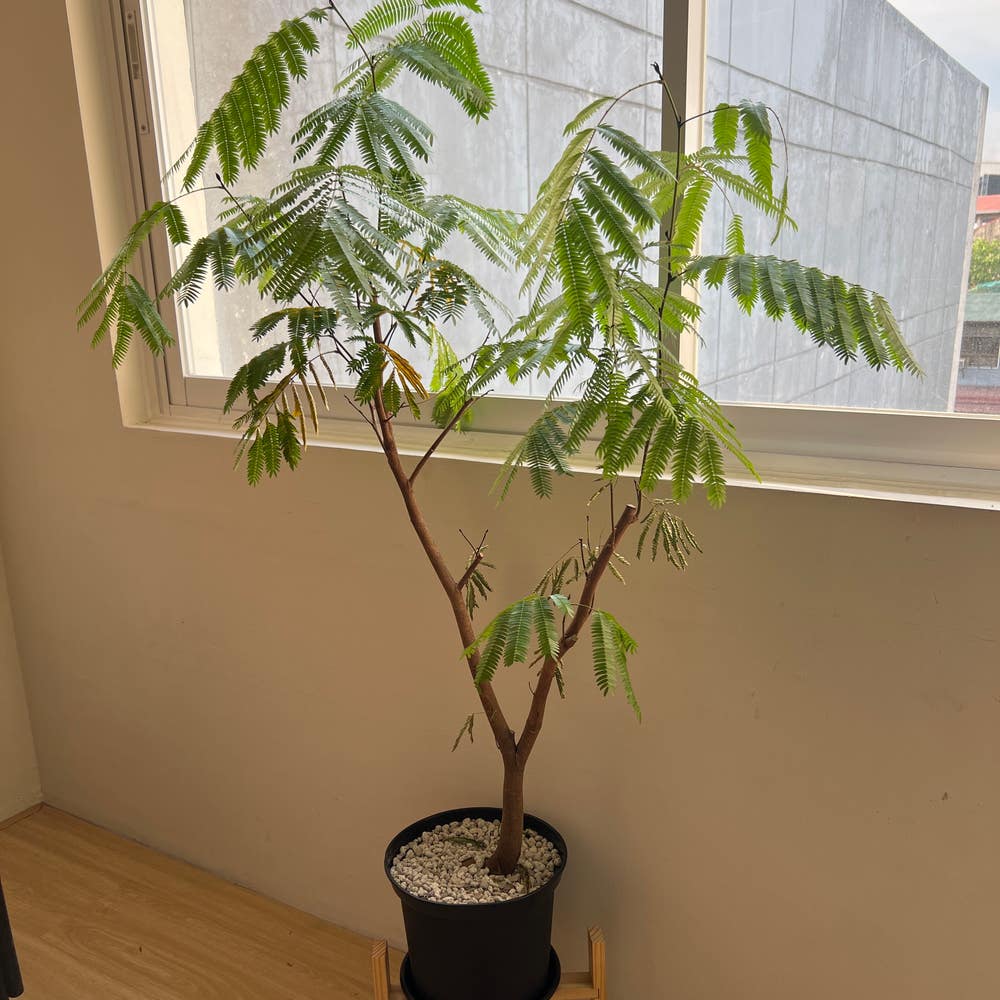
Best Potting Soil Mix for Pink Silk Tree
Albizia julibrissin
By the Greg Editorial Team
Jun 18, 2024•3 min read
This article was created with the help of AI so we can cover more plants for you. May contain errors. See one? Report it here.
Transform your Pink Silk Tree's health with the secret to its ideal, thriving soil mix. 🌱🌸
- 🌱 Drainage and aeration are crucial for Pink Silk Tree's root health.
- Slightly acidic pH (5.5-6.5) is optimal; adjust with sphagnum peat moss.
- Sterilize soil mix to prevent disease and pests in your Pink Silk Tree.
Spotting Trouble: When Your Pink Silk Tree's Soil Goes Wrong
🚩 Telltale Signs of Unhappy Soil
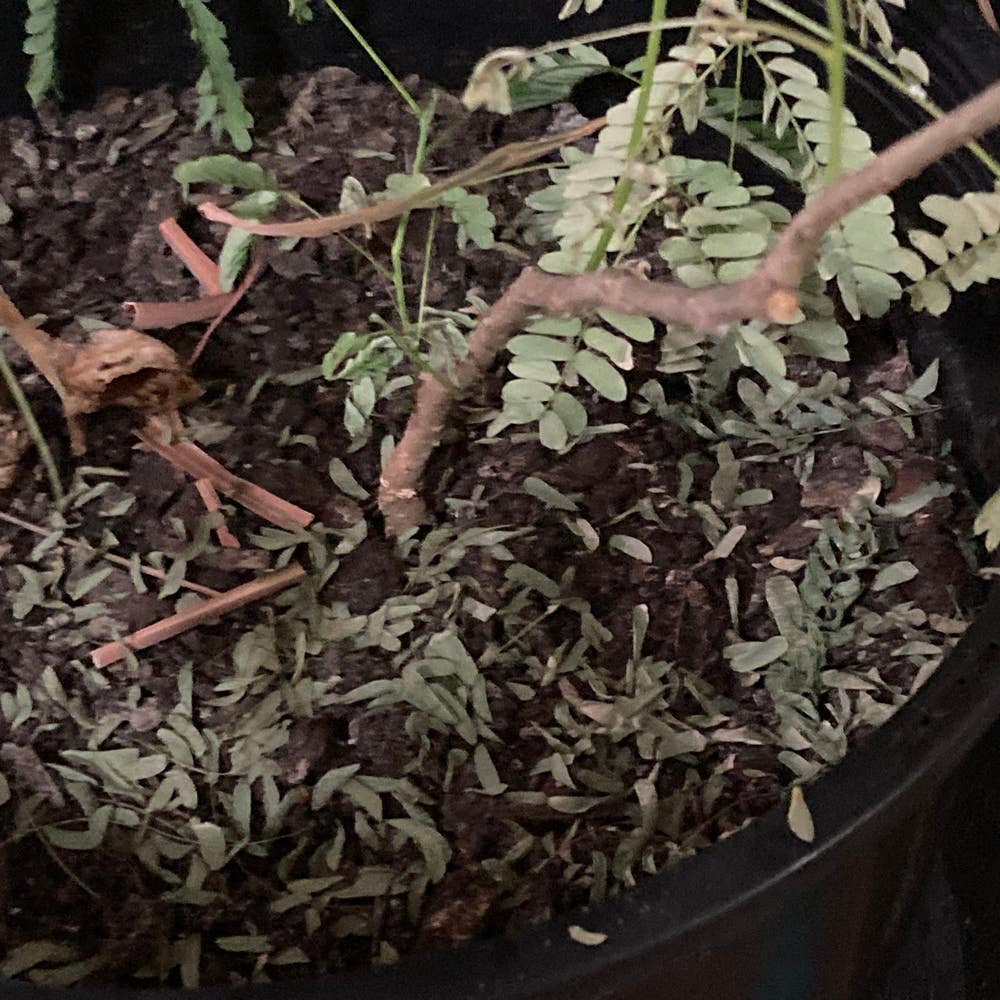
Mold in your Pink Silk Tree's pot is a red flag. It's stealing the show—and not in a good way—by taking nutrients meant for your tree. A musty odor? That's your soil crying out for a change. Waterlogging is another no-no; it's like giving your tree's roots a never-ending bath, and trust me, they don't enjoy it.
📉 The Downside of Neglect
Ignore these signs, and you're on a one-way trip to root rot city. It's a grim place where growth is stunted, and dreams of lush foliage die. Poor soil conditions don't just stress your tree; they can kill it. So, let's not turn our green oasis into a plant graveyard, okay?

The Perfect Potting Mix: What Your Pink Silk Tree Craves
💧 Getting the Texture Right
For the Pink Silk Tree, drainage is key. A soil that holds onto water like a sponge is a no-go. Test your soil by watering it; if it's still soggy after a few hours, you've got work to do.
🍋 pH and Nutrients: The Acidic Twist
Acidity is crucial. Pink Silk Trees flourish in soil with a pH that leans towards the acidic side. Grab a pH meter and aim for a sweet spot around 5.5 to 6.5. Too alkaline? Sphagnum peat moss is your ally here.
🌱 Organic Matters
Organic matter isn't just good, it's essential. It's the lifeblood of your Pink Silk Tree's soil, providing both nutrients and aeration. Compost, leaf mold, or well-rotted manure will do the trick, enriching the soil and keeping those roots happy.

Fixing the Foundation: Reviving Your Pink Silk Tree's Soil
🕵️ Mold Be Gone!
Mold is the archenemy of healthy soil. If you spot the fuzzy fiend in your Pink Silk Tree's pot, it's time for action. Remove all visible mold with a gentle hand, ensuring not to disturb the roots too much. Then, cut back on the H2O—overwatering is often the culprit. Let the soil dry out between waterings, and when you do water, do it like you're pouring a fine scotch—sparingly.
🌬️ Aeration and Drainage
Airflow is the unsung hero of root health. To give your Pink Silk Tree's roots room to breathe, introduce perlite or coarse sand into the mix. It's like upgrading your plant's living quarters to a room with a view. For an extra boost, use a chopstick to poke holes around the plant's base, ensuring the roots get their share of air. Remember, good drainage is non-negotiable; a well-draining soil mix is as essential as a reliable friend.

Home Brew for Your Pink Silk Tree: Crafting the Ideal Soil Mix
🌱 The Recipe for Success
Creating the ideal soil mix for your Pink Silk Tree is like being a barista for your plant—precision matters. Start with three parts peat moss for moisture control. Then mix in one part perlite for that essential aeration. Lastly, add one part pine bark fines to ensure good drainage and mimic the tree's natural growing conditions.
🧼 Sterilization: The Secret Ingredient
Before you let your Pink Silk Tree roots touch the mix, sterilize it. This isn't just a good-to-have; it's a must-do to prevent disease and pests. Bake the soil in your oven at 200°F (93°C) for 30 minutes. Yes, your kitchen will smell like a forest, but your plant will be in the clear.
⚠️ Safety First
This content is for general information and may contain errors, omissions, or outdated details. It is not medical, veterinary advice, or an endorsement of therapeutic claims.
Always consult a qualified healthcare professional before using any plant as food, medicine, or supplement.
Never eat any plant (or feed one to pets) without confirming its identity with at least two trusted sources.
If you suspect poisoning, call Poison Control (800) 222-1222, the Pet Poison Helpline (800) 213-6680, or your local emergency service immediately.
Spotted an error? Please report it here.
Nurture your Pink Silk Tree in optimal soil by leveraging Greg's custom watering reminders 🌸 to prevent overwatering and ensure a healthy, mold-free environment.