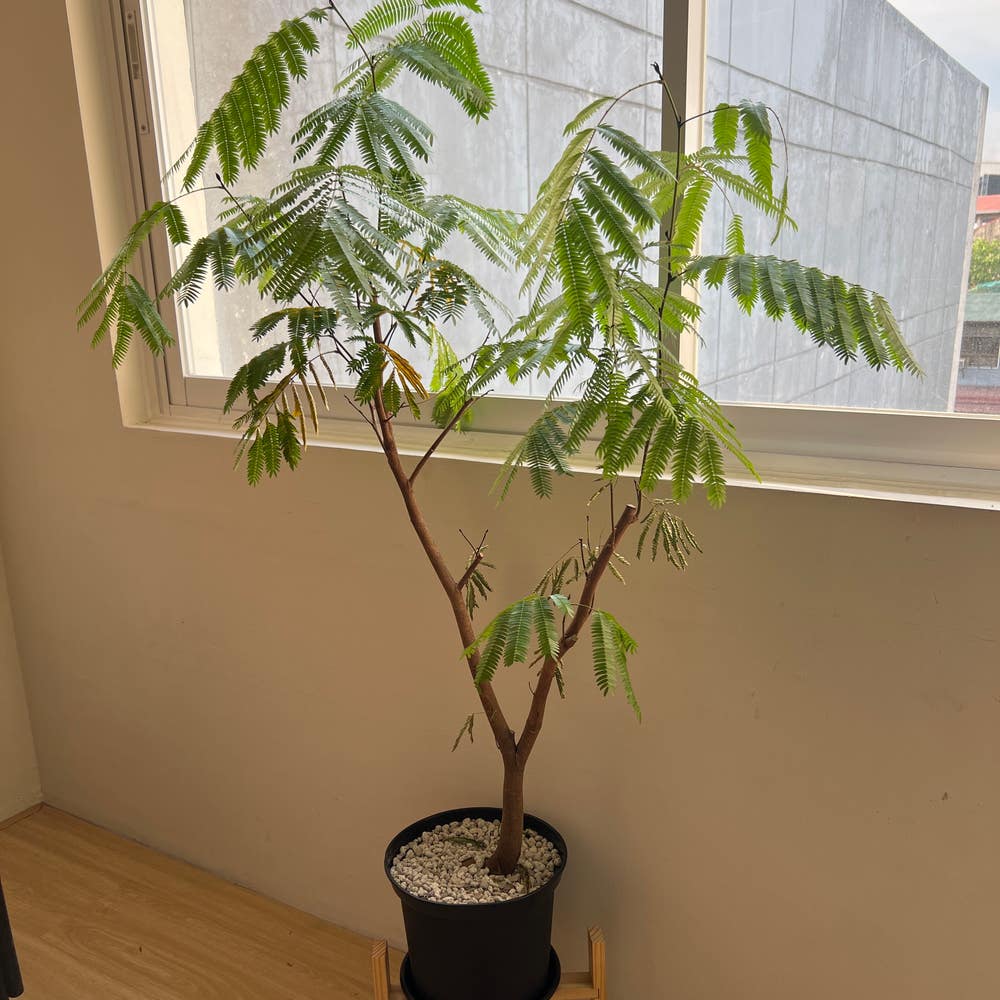
💧 How Do I Know When My Pink Silk Tree Needs Water?
Albizia julibrissin
By the Greg Editorial Team
Jun 18, 2024•4 min read
This article was created with the help of AI so we can cover more plants for you. May contain errors. See one? Report it here.
Avoid wilt and maximize bloom 🌸 by mastering your Pink Silk Tree's watering cues.
- Drooping leaves? Your Pink Silk Tree is signaling for water.
- Seasons change, so does watering - adjust with temperature and humidity.
- Weigh the pot or use the finger test/moisture meter for watering cues.
Spot the Thirsty Tree: Visual Cues
🍂 Drooping Leaves: When Your Tree Looks Tired
Leaves hanging like limp handshakes are your Pink Silk Tree's way of saying it's parched. If the once proud leaves are now drooping, it's time to reach for the watering can.
🌀 Leaf Curling and Browning: Distress Signals
Curling leaves are the tree's neon sign for distress; think of them as a botanical SOS. Browning edges are the next level of urgency, signaling a serious cry for hydration.
🔍 Checking the Soil: The Top Layer Tells a Tale
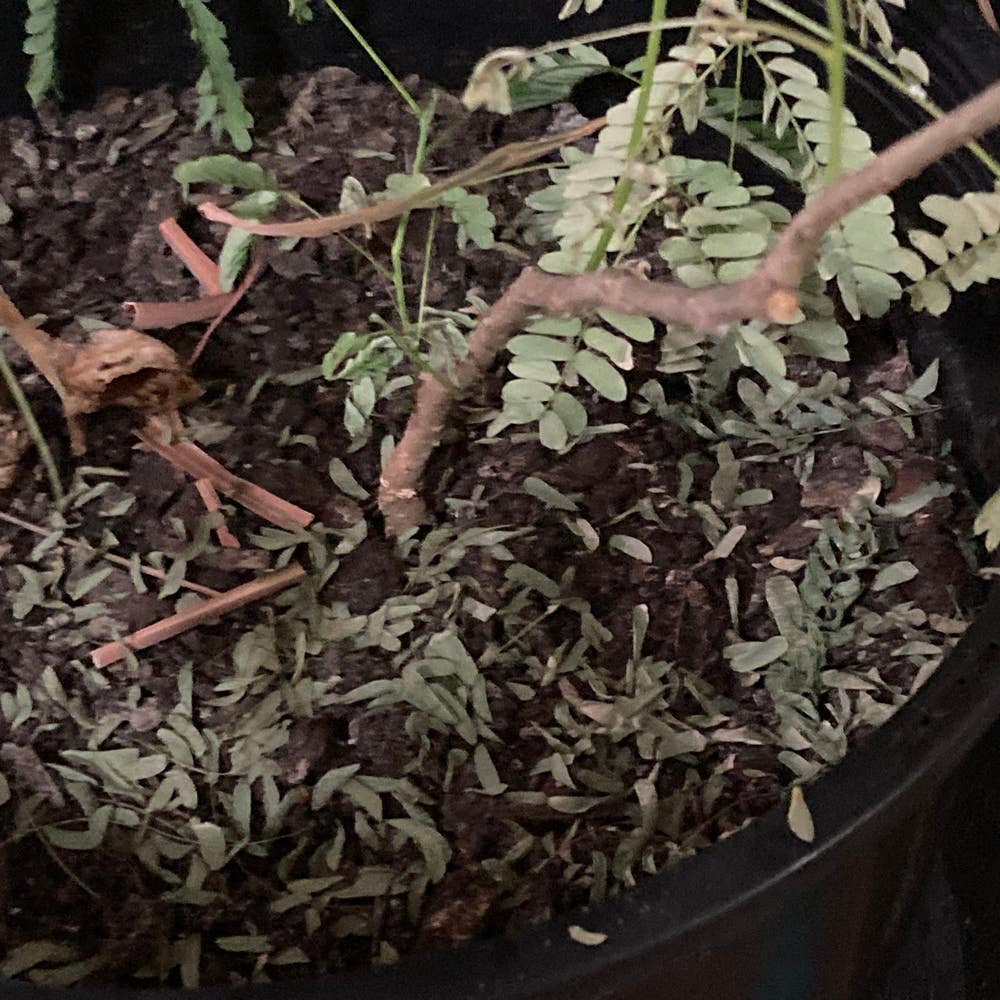
The soil's top layer is your crystal ball into your tree's needs. If it feels like a dry desert, it's a clear sign your Pink Silk Tree is thirsty. Conversely, a spongy feel indicates you might be overdoing it.

When to Water: Timing is Everything
🌧️ Seasonal Sensitivity: Adjusting to the Weather
Forget the calendar; your Pink Silk Tree doesn't care if it's Tuesday or the summer solstice. Seasonal shifts in temperature and humidity mean you'll need to tweak your watering routine. In the heat of summer, your tree's thirst will spike, demanding more frequent drinks to support its growth spurt. As autumn rolls in, ease up. Your tree's gearing down, and so should your watering can.
🌱 Growth and Dormancy: Listening to Your Tree's Life Cycle
Your Pink Silk Tree has its own internal clock, ticking to the rhythm of growth and dormancy. When it's in the full swing of growth, it's guzzling water like there's no tomorrow. But come winter, it's more like a bear in hibernation – it'll need just enough to keep its roots from singing the blues. Pay attention to its life cycle, and you'll know when to pour and when to pause.
💪 The Weight of the Pot: A Surprising Indicator
Here's a quirky tip: get to know how heavy the pot feels after a good watering. It's a bit like a mini workout for your green thumb. When the pot starts feeling lighter, it's your tree's way of whispering, "Hey, I could use a drink." No fancy gadgets needed, just your muscles and memory.

How Much Water Does Your Pink Silk Tree Crave?
💧 The Goldilocks Zone: Not Too Much, Not Too Little
Finding the Goldilocks zone for your Pink Silk Tree's watering needs is crucial. The soil should be moist but not soggy, akin to a well-wrung sponge. After watering, allow the soil to drain completely. This prevents the roots from becoming waterlogged, which can lead to root rot—a slow and silent killer of plants. Adjust your watering routine based on how quickly the soil dries; this isn't a set-it-and-forget-it kind of deal.
🚰 Deep Watering: Encouraging Strong Roots
Deep watering is the secret sauce for fostering a robust root system. By watering deeply and less frequently, you encourage the roots to grow downward in search of moisture, which builds a stronger foundation for your tree. But here's the kicker: let the soil dry out a bit between waterings. Think of it as a mini drought that your Pink Silk Tree actually appreciates—it's like a little breather before the next hydration session.

Tools of the Trade: Soil Moisture Monitoring
👆 Finger Test: The Low-Tech Lifesaver
Dive directly into the soil with your finger, about an inch deep. If it feels dry, your Pink Silk Tree is sending an SOS for hydration. A damp feel means you can hold off on watering. This method is simple, yet effective.
📏 Moisture Meters: When Precision Matters
For those who prefer a more scientific approach, moisture meters are the go-to. They provide a clear moisture reading, eliminating guesswork. Just insert the probe into the soil, and you'll get an instant readout. Remember, not all meters are created equal—accuracy can vary, so choose wisely.
⚠️ Safety First
This content is for general information and may contain errors, omissions, or outdated details. It is not medical, veterinary advice, or an endorsement of therapeutic claims.
Always consult a qualified healthcare professional before using any plant as food, medicine, or supplement.
Never eat any plant (or feed one to pets) without confirming its identity with at least two trusted sources.
If you suspect poisoning, call Poison Control (800) 222-1222, the Pet Poison Helpline (800) 213-6680, or your local emergency service immediately.
Spotted an error? Please report it here.
Ensure your Pink Silk Tree is always perfectly quenched with Greg's personalized watering schedule 🌳, tailored to your home's conditions and your tree's life cycle.