Why Are There Brown Spots on My Pink Silk Tree Leaves? 🍂
Albizia julibrissin
By the Greg Editorial Team
Jun 18, 2024•5 min read
This article was created with the help of AI so we can cover more plants for you. May contain errors. See one? Report it here.
Safeguard your Pink Silk Tree's allure 🌸 by tackling those troubling brown spots with our guide!
- Pathogens or stress may cause brown spots on Pink Silk Tree leaves.
- Fungicides and bactericides treat infections; environmental adjustments prevent spots.
- Prune and sanitize to defend against disease and maintain tree health.
Spotting the Trouble: Identifying Brown Spots on Your Pink Silk Tree
🍂 Visual Clues: What Brown Spots Look Like
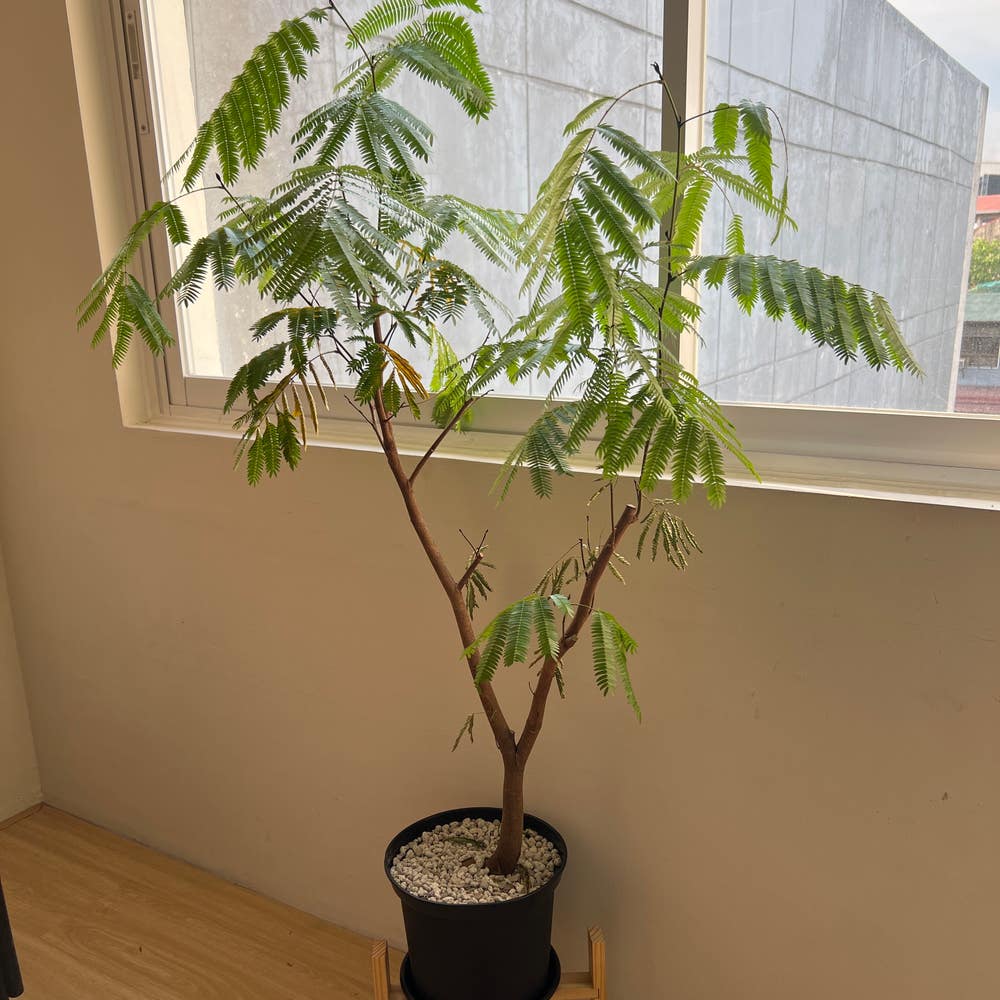
Brown spots on Pink Silk Tree leaves are alarm bells. They can show up as tiny dots or large splotches, with no preference for real estate, claiming the center or the edges of the leaf. Uniform discoloration might just be the tree aging gracefully, but isolated spots are usually a cry for help. Look for spots that are dry or water-soaked, and note their shape—irregular or circular patterns can help identify the culprit.
🌳 Beyond the Leaves: Examining Plant Health
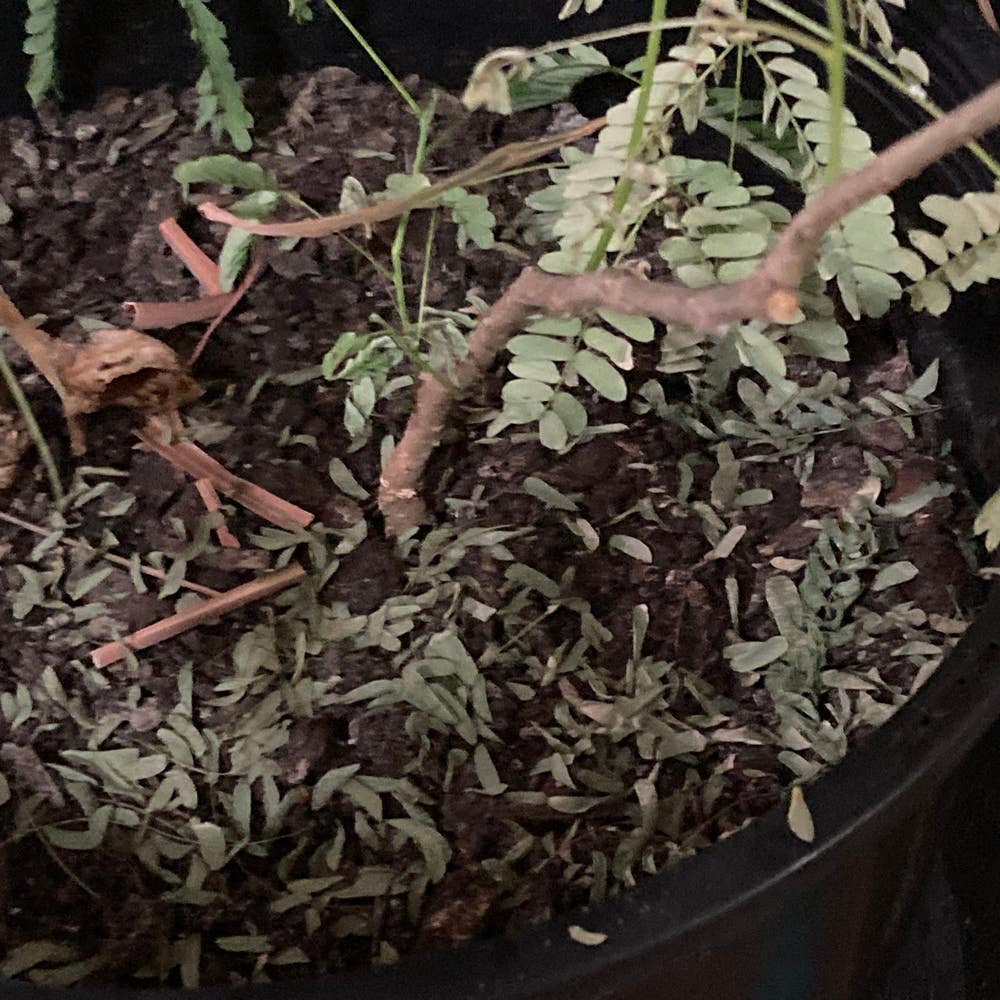
Check the whole tree, not just the leaves. Are there spots on the stems? Is the soil too wet or bone dry? These clues can suggest environmental stress or a pathogen at play. Ensure the tree's environment is stable—consistent temperatures and indirect light are key. Watering should be a balanced ritual; too much or too little can both lead to those dreaded brown spots.

The Usual Suspects: Common Causes of Brown Spots
🍄 Fungal Foes: Anthracnose and Cercospora
Anthracnose is like that uninvited guest who doesn't know when to leave. It shows up as brown spots on leaves and fruit, often with a yellow halo. Cercospora, on the other hand, prefers a stealthier approach, with tan to black spots lurking beneath the leaves. Both love a good humidity fest and can turn your Pink Silk Tree's leaves into a spotty mess.
🦠 Bacterial Bullies: Leaf Spot and Blight
Bacterial infections are no less troublesome, with Leaf Spot and Blight leading the charge. These bacterial bullies manifest as water-soaked spots, sometimes with a red or yellow edge, turning your leaves into a pockmarked landscape. They thrive in wet conditions and are notorious for spreading faster than a rumor in a small town.
🌿 When Nature Strikes: Environmental Stressors
Don't overlook the silent but deadly environmental stressors. Too much sun can give your Pink Silk Tree the botanical equivalent of a sunburn, while improper watering can lead to a case of the spots. Soil problems? They can cause brown spots faster than you can say "nutrient imbalance." It's a delicate dance of sunlight, hydration, and soil health to keep those leaves spot-free.

First Aid for Foliage: Treating Brown Spots
🛡️ Combating Pathogens: Fungicides and Bactericides
When brown spots crash your Pink Silk Tree party, it's time to bring out the big guns: fungicides and bactericides. Copper-based fungicides are like the bouncers at the club, keeping the fungal troublemakers at bay. Apply with precision, ensuring every leaf gets a turn on the dance floor. Consistency is key—follow the reapplication schedule as if your plant's life depends on it, because it does.
For bacterial infections, think of bactericides as your plant's personal bodyguards. Use them strategically, only when cultural practices have failed to keep the bacteria from gatecrashing. Always follow the label's instructions, because overuse can harm more than just the pathogens.
💡 Cultural Corrections: Environmental Adjustments
Sometimes, the best defense is a good offense. Adjusting your Pink Silk Tree's environment can prevent brown spots from forming in the first place. Ensure the tree is basking in bright, indirect light, and that it's not shivering or sweating—consistent temperatures are a must. Watering should be as regular as your heartbeat, not too much and not too little. Think of mulch as the tree's snuggly blanket, keeping it warm and the moisture level just right.
Good air circulation is like giving your plant its personal space. Cramped conditions invite pathogens to mingle and spread, so give your Pink Silk Tree room to breathe. Lastly, keep the soil rich and well-draining—like a good cheesecake, it should be indulgent yet not soggy.

Keeping It Clean: Prevention Tactics
🌿 Pruning with Purpose: Removing Infected Leaves
Pruning isn't just a cosmetic fix; it's a vital defense against the spread of disease in your Pink Silk Tree. Here's how to do it right:
- Inspect the tree thoroughly, singling out leaves that are more battle-scarred than a knight's armor.
- Sanitize your pruning shears with alcohol—think of it as a disinfectant bath for your tools.
- Snip affected areas cleanly, avoiding a hack job that would make a barber cringe.
- Disinfect the shears after each cut, as if you're performing surgery in the ER.
- Remove and discard the fallen debris like you're cleaning up after a wild party—no evidence left behind.
🧼 Cleanliness is Key: Sanitation Practices
Keeping your Pink Silk Tree's environment pristine is like being a neat freak for plant health. Follow these steps to maintain a clean bill of health:
- Wipe down leaves with a damp cloth, treating each one like a cherished vinyl record.
- Clear the base of the tree of any fallen leaves or debris, as if prepping a stage before the next act.
- Monitor the tree post-pruning, staying as vigilant as a night guard at a museum.
- Water with precision, aiming for the soil, not the leaves—this isn't a shower scene in a movie.
- Control pests with the focus of a cat stalking its prey, ensuring no freeloaders damage your tree.
⚠️ Safety First
This content is for general information and may contain errors, omissions, or outdated details. It is not medical, veterinary advice, or an endorsement of therapeutic claims.
Always consult a qualified healthcare professional before using any plant as food, medicine, or supplement.
Never eat any plant (or feed one to pets) without confirming its identity with at least two trusted sources.
If you suspect poisoning, call Poison Control (800) 222-1222, the Pet Poison Helpline (800) 213-6680, or your local emergency service immediately.
Spotted an error? Please report it here.
Keep your Pink Silk Tree spot-free 🍂 with Greg's personalized care reminders, helping you prevent brown spots by adjusting the tree's environment and care.