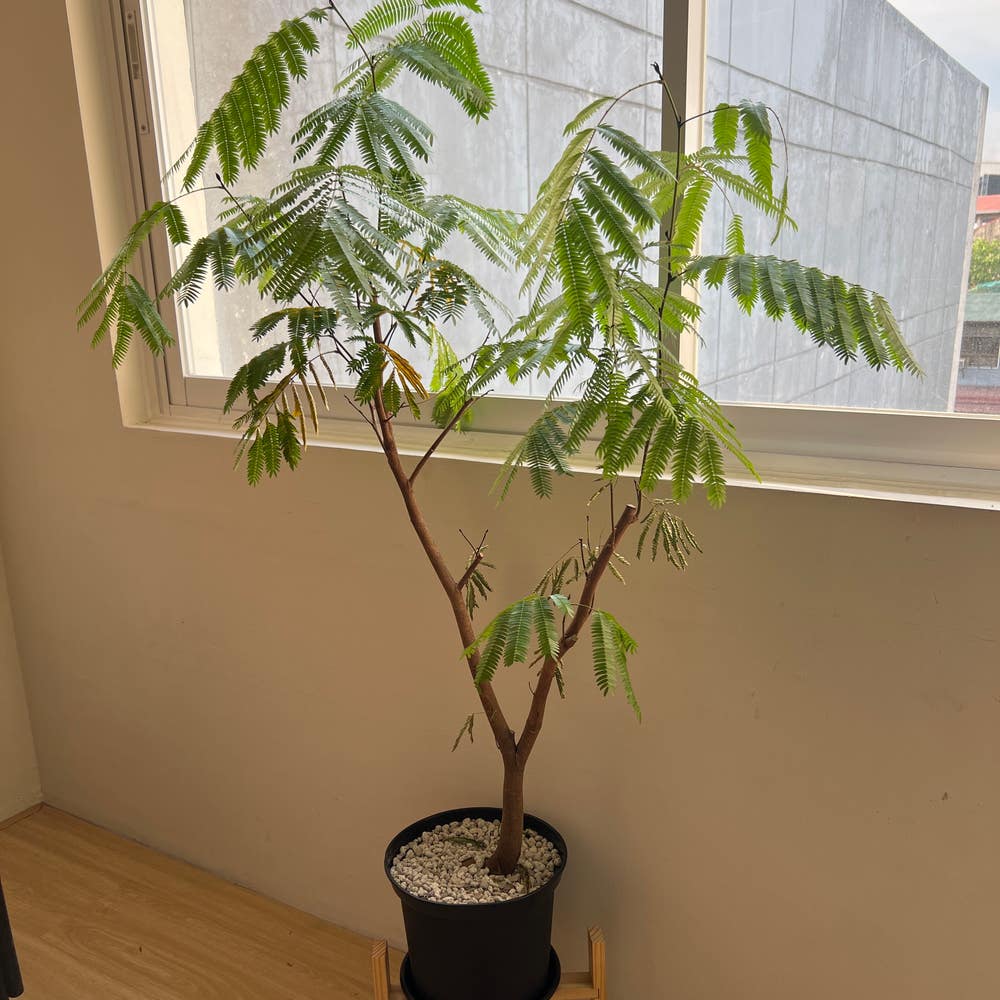
When and Where Should I Trim My Pink Silk Tree?
Albizia julibrissin
By the Greg Editorial Team
Jun 18, 2024•3 min read
This article was created with the help of AI so we can cover more plants for you. May contain errors. See one? Report it here.
Ensure a stunning Pink Silk Tree display 🌸 and vitality by mastering when and where to prune.
- Post-flowering pruning sets the stage for next year's blooms.
- Thinning improves health by increasing light and air flow.
- Avoid over-pruning; use sharp tools for clean cuts.
Best Times to Prune Your Pink Silk Tree
🌸 After the Blooms: Post-Flowering Pruning
Pruning your Pink Silk Tree after flowering is like hitting the reset button for next year's show. This timing allows the tree to set flower buds during the summer, ensuring a spectacular bloom the following season.
🌿 Seasonal Smarts: Understanding Dormant vs. Active Growth
Dormancy is your friend when it comes to pruning. It's the tree's chill phase, and cutting back then means less stress on the tree and better healing. Avoid pruning when your Pink Silk Tree is in its active growth phase; it's like interrupting someone mid-sentence—not cool.
Pruning during the tree's active growth can lead to weak, frost-prone new shoots. Stick to post-bloom pruning or the dormant season for a robust, ready-for-anything tree.

Where to Make the Cut: Strategic Pruning Locations
💀 Dead and Damaged: Clearing Out Unhealthy Wood
First things first: Identify branches that are dead, damaged, or diseased. These are the troublemakers that can invite pests or spread decay. Snip them out to keep your Pink Silk Tree in top health. Remember, a clean cut heals faster, so keep those blades sharp.
🌳 Thinning for Thriving: Creating an Open Canopy
Thinning is not about giving your tree a buzz cut; it's about strategic snipping for better light and air flow. Aim to create space within the canopy, which encourages a healthier and more robust tree. It's like thinning out the crowd at a concert—you're just making room to dance.
✂️ Shaping for Show: Aesthetic Pruning Techniques
Now, let's talk beauty. Shaping your Pink Silk Tree isn't just about vanity; it's about enhancing its natural form. Directional pruning is key here. You're the director, and those branches are your actors—cut the ones that don't follow the script. Keep it balanced, though; your tree isn't auditioning for a role in a Tim Burton film.

Pruning Like a Pro: Techniques and Tools
✂️ Making the Right Cut: Techniques for Healthy Pruning
Clean cuts are crucial; they prevent disease and encourage proper healing. To achieve this, always cut above a leaf node or bud, angling downward to let water run off and avoid rot. Directional pruning is your friend; it guides the tree's future growth, so think ahead.
🛠️ Tool Time: Choosing and Caring for Your Pruning Gear
The right tools make all the difference. For Pink Silk Trees, you'll want sharp pruning shears, loppers, and a sturdy saw. Keep them clean with a disinfectant like isopropyl alcohol to prevent disease spread. Maintenance is key; regularly sharpen blades and oil joints to ensure longevity and precision.

Avoiding Common Pruning Pitfalls
🌳 Overzealous Cutting: Why Less Can Be More
Pruning with restraint is essential. Over-pruning can shock your Pink Silk Tree, stunting its growth and jeopardizing its health. Aim to remove no more than 25-30% of the tree's foliage in a single session. This conservative approach ensures the tree retains enough leaf area for photosynthesis, crucial for its energy and sustenance.
🩹 Healing and Health: Protecting Your Tree Post-Pruning
After pruning, your tree needs care to recover. Ensure it has adequate water and is shielded from extreme weather conditions. Avoid fertilizing immediately after pruning, as this can promote new growth at a time when the tree should be healing. Regularly inspect the tree for signs of distress, such as wilted leaves or halted growth, and adjust care accordingly. Remember, post-prune care is as vital as the pruning itself.
⚠️ Safety First
This content is for general information and may contain errors, omissions, or outdated details. It is not medical, veterinary advice, or an endorsement of therapeutic claims.
Always consult a qualified healthcare professional before using any plant as food, medicine, or supplement.
Never eat any plant (or feed one to pets) without confirming its identity with at least two trusted sources.
If you suspect poisoning, call Poison Control (800) 222-1222, the Pet Poison Helpline (800) 213-6680, or your local emergency service immediately.
Spotted an error? Please report it here.
Trim your Pink Silk Tree to perfection and ensure a spectacular bloom 🌸 next season with Greg's tailored reminders for the best pruning times and care.