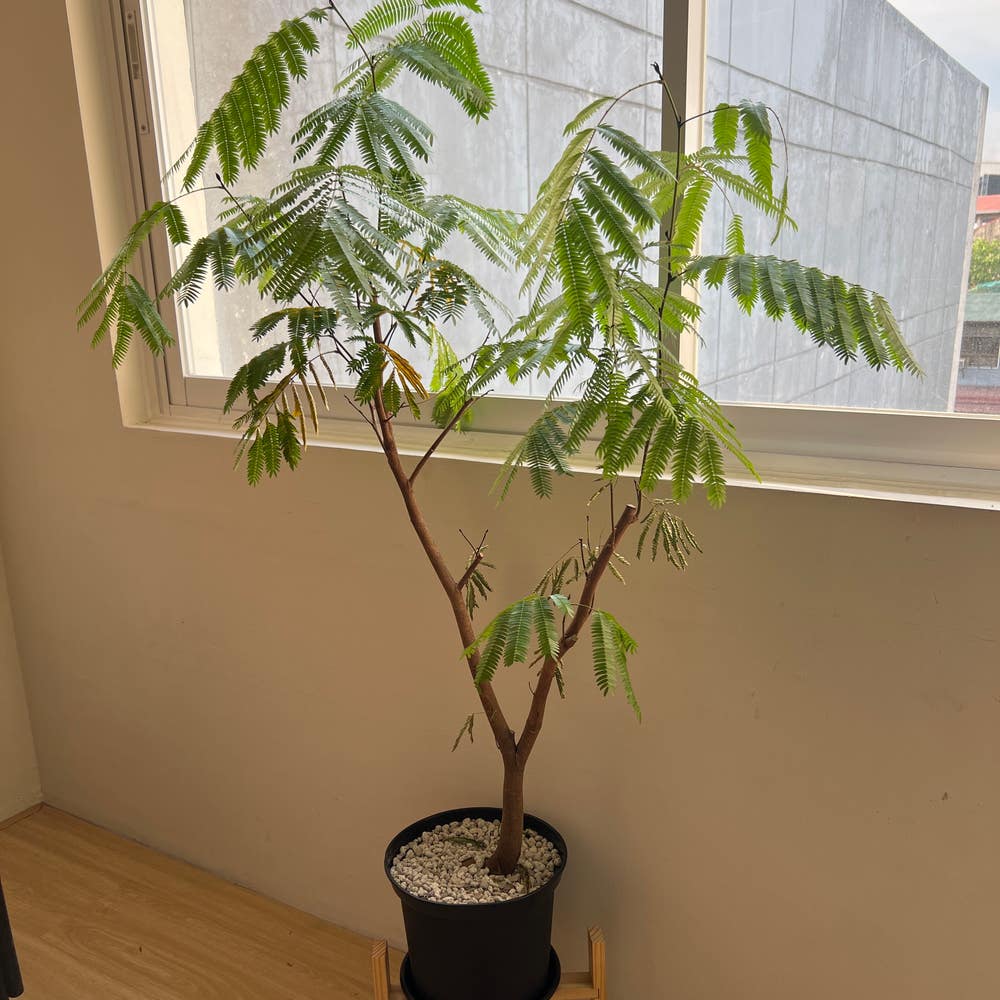
Why Are My Pink Silk Tree Leaves Droopy? 😢
Albizia julibrissin
By the Greg Editorial Team
Jun 18, 2024•4 min read
This article was created with the help of AI so we can cover more plants for you. May contain errors. See one? Report it here.
Say goodbye to droopy Pink Silk Tree leaves 🍂 with expert tips for perfect plant health! 🌟
- Overwatering and underwatering both lead to droopy Pink Silk Tree leaves.
- 🌡️ Consistent temperature and bright light are crucial for healthy leaves.
- 🐛 Inspect for pests and use insecticidal soap or neem oil as needed.
When Watering Goes Wrong
🌧️ Too Much Love: Overwatering Woes
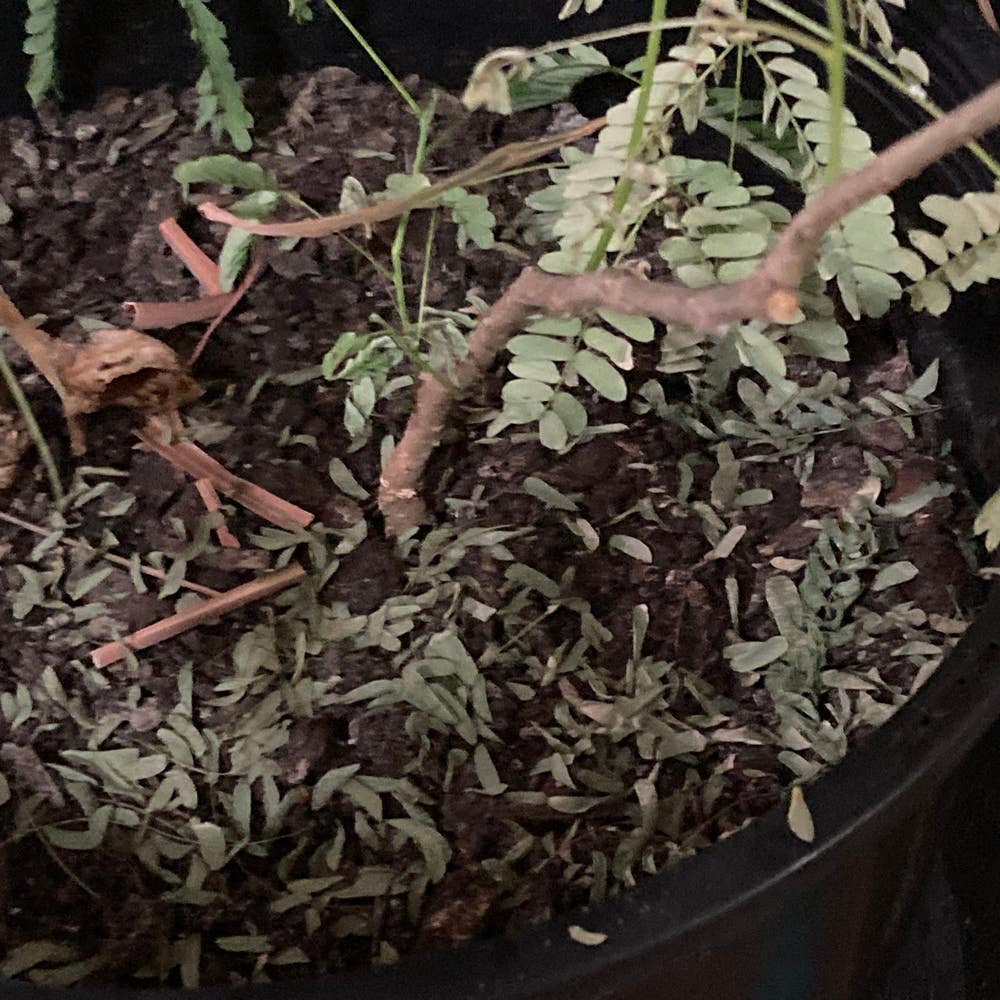
Yellowing leaves and a blackened base are the SOS signals of an overwatered Pink Silk Tree. If the soil feels like a saturated sponge, you've probably been too generous with the watering can. The roots, craving air, are likely suffering from root rot.
To rescue an overwatered tree, first, let the soil dry out. Think desert vibes. If the roots are mushier than a rotten peach, it's time to trim the dead weight. Make sure your pot's drainage isn't just for show; those roots aren't fans of indoor pools. And remember, during the chillier months, your tree's thirst isn't as unquenchable.
🏜️ Thirsty Roots: The Underwatering Problem
When your Pink Silk Tree's leaves droop like a teenager's shoulders on chore day, it might be underwatered. If the soil is drier than a stand-up comedian's wit, it's time to up the hydration game.
Finding the watering sweet spot is key. A good rule of thumb is to check the soil's top inch; if it's dry, it's time to water. But don't turn it into a swamp. Consider the pot, too. Terracotta is like that reliable friend who helps keep things balanced—moisture-wise, at least.

Battling External Stressors
🌡️ Weathering the Storm: Temperature and Light
Temperature fluctuations can leave Pink Silk Trees looking wilted. To prevent droopiness, maintain a consistent environment, avoiding places near heaters or drafty windows that could cause rapid changes.
Light is crucial, but its intensity matters. Pink Silk Trees thrive in bright, indirect sunlight. Too much direct exposure can lead to leaf scorch, while insufficient light can cause the tree to become leggy as it reaches for a light source.
🌱 The Perils of a Cramped Home: Root and Potting Challenges
When a Pink Silk Tree is root-bound, its growth is restricted, and leaves may droop. If the roots circle the pot's interior or poke out of the drainage holes, it's time to consider repotting.
Soil drainage is key to healthy roots. A well-draining potting mix prevents water from pooling around the roots, which can lead to root rot. If the soil feels perpetually soggy, it might be time to tweak the mix or upgrade to a pot with better drainage.

Unwanted Guests: Pests and Diseases
🐛 Identifying the Culprits
Common pests that target Pink Silk Trees include mites, mimosa webworms, and cottony cushion scale. Signs of infestation may be fine webbing, chewed leaves, or a sticky residue. Vigilance is key—regularly inspect your tree for these telltale markers.
🌿 Implementing the Cure
Treatment begins with insecticidal soaps or neem oil, applied thoroughly to affected areas. Preventive measures include keeping the area free of debris and quarantining new plants. For fungal diseases, which often present as black spots or wilted shoots, act fast with fungicides and improve air circulation. Remember, correct identification is crucial for effective treatment—don't hesitate to consult an expert if you're unsure.

Feeding for Strength: Nutrient Deficiencies
💪 Spotting the Signs of Starvation
Yellowing leaves on your Pink Silk Tree might be more than just a fashion statement; they're likely screaming for nitrogen. If your tree's stems are as spindly as a twig, it's probably crying out for potassium. These nutrients are the biceps and triceps of your plant's world, essential for robust leaves and stems.
🌿 Nourishing Your Pink Silk Tree
To pump up your Pink Silk Tree with the right nutrients, think of fertilization as its personal gym membership. A balanced fertilizer is like a well-rounded workout routine, providing all the essential nutrients without overdoing it. Regular soil tests are your best bet to avoid nutrient imbalances. If your tree's leaves are looking more bluish-green than pink, it's time to up the potassium. Remember, over-fertilization can cause as much drama as a reality TV show, so keep it balanced to avoid nutrient deficiencies and toxic build-ups.
⚠️ Safety First
This content is for general information and may contain errors, omissions, or outdated details. It is not medical, veterinary advice, or an endorsement of therapeutic claims.
Always consult a qualified healthcare professional before using any plant as food, medicine, or supplement.
Never eat any plant (or feed one to pets) without confirming its identity with at least two trusted sources.
If you suspect poisoning, call Poison Control (800) 222-1222, the Pet Poison Helpline (800) 213-6680, or your local emergency service immediately.
Spotted an error? Please report it here.
Ensure your Pink Silk Tree never suffers from droopiness again with customized watering reminders 🌱 from Greg, tailored to your plant's unique needs.