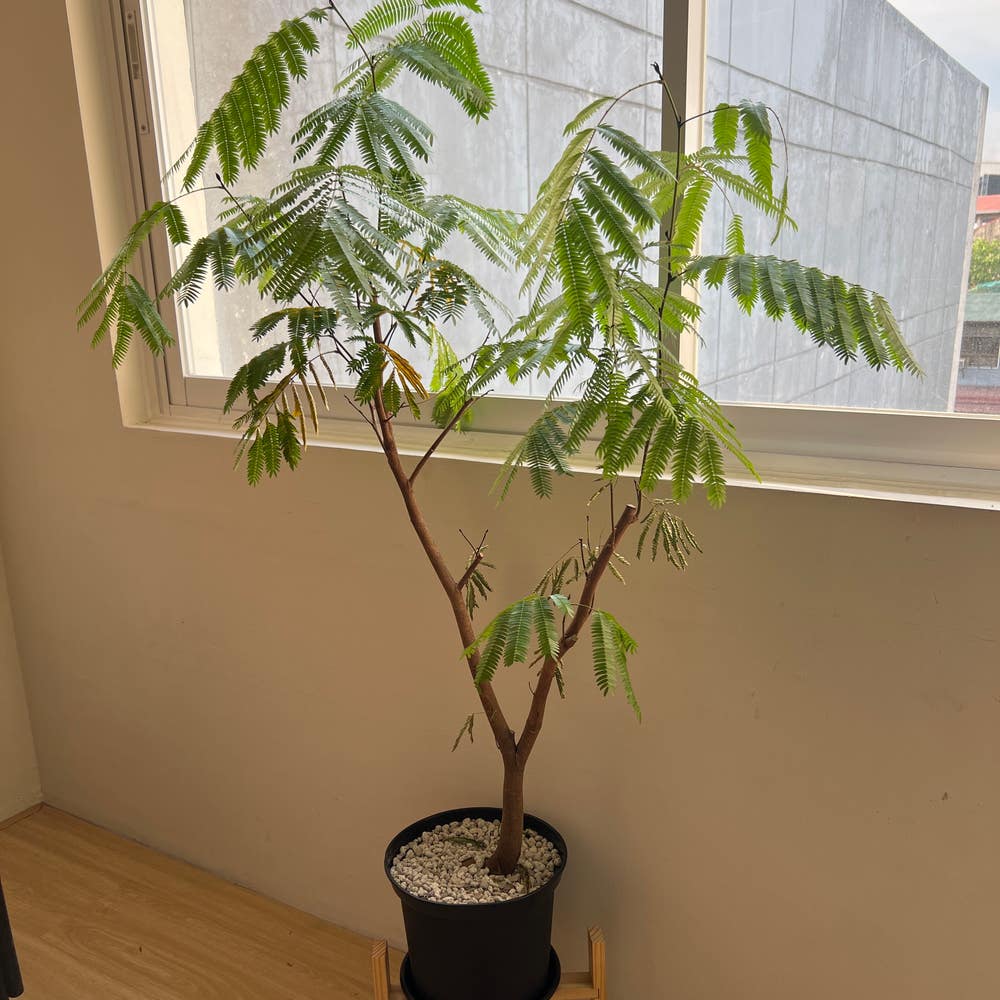
How Do I Fix Pink Silk Tree Root Rot?
Albizia julibrissin
By the Greg Editorial Team
Jun 18, 2024•3 min read
This article was created with the help of AI so we can cover more plants for you. May contain errors. See one? Report it here.
Rescue your Pink Silk Tree 🌸 from root rot's grip with proven life-saving tips!
- 🍂 Yellow leaves and wilting signal potential root rot.
- 🚿 Overwatering and poor drainage are common culprits.
- ✂️ Prune rotted roots and use fungicides for treatment.
Spotting the Red Flags: Recognizing Root Rot Symptoms
🚩 Yellowing Leaves and Wilting
Yellowing leaves and wilting are alarm bells for your Pink Silk Tree. These are not just aesthetic issues; they're signs of potential root rot. When you notice the foliage losing its vibrant color and drooping, it's time to take a closer look.
🕵️ Checking the Roots
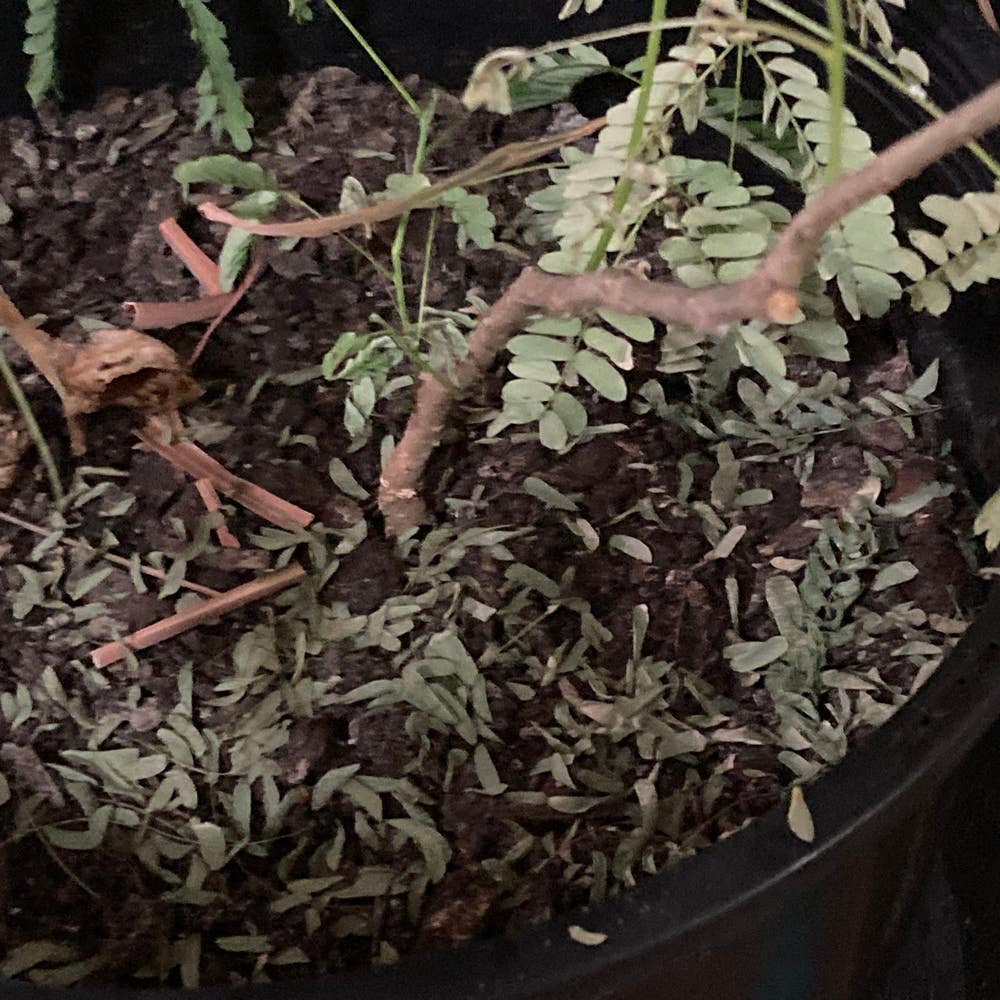
Inspect the roots for telltale signs of rot. Healthy roots should be firm and white, but if they're brown, mushy, or have a foul odor, you've got a problem. This is the underground distress signal that your tree's health is compromised.

Getting to the Root of the Problem: Causes of Root Rot
💧 Overwatering and Poor Drainage
Overzealous watering can drown your Pink Silk Tree's roots, stripping them of the oxygen they crave. It's not just about the quantity of water, but also the frequency; roots need time to breathe between drinks.
Poor drainage is the sidekick to overwatering, creating a soggy nightmare where roots can't escape the wet. Compacted soil or a lack of holes at the bottom of pots turns your plant's home into a swamp.
🍄 Fungal Foes
Root rot is a horror show starring fungal pathogens like Phytophthora and Pythium. These microscopic menaces feast on damp, defenseless roots, turning them into mush.
Prevention is your best weapon against these invisible invaders. Once they've set up camp, it's a battle to save your tree. Keep an eye out for the telltale signs of their presence, and act fast to evict them.

The Recovery Plan: Treating Root Rot in Pink Silk Trees
💧 Drying Out the Damp
To combat root rot, soil moisture must be reduced. Begin by adjusting your watering habits; less is more. If the soil feels wet, skip the watering can. For potted Pink Silk Trees, ensure pots have adequate drainage holes. If the tree is in the ground, consider improving the area's drainage, perhaps by creating a slope or using a raised bed.
✂️ Surgical Strikes: Pruning the Damage
When root rot hits, it's time for a clean cut. Sterilize your pruning shears with alcohol to prevent spreading disease. Carefully remove the tree from its pot or dig around the base if planted in the ground. Snip off the rotted roots—those that are soft, brown, or black—until you're left with firm, white roots. It's a tough love approach, but necessary.
🌿 Fungicide to the Rescue
After pruning, a fungicide can be a plant's best ally. Choose a product suitable for Pink Silk Trees and apply as directed. Natural options like neem oil may be used for a gentler approach. Remember, fungicides manage the symptoms but don't cure the disease; they're part of a larger strategy to keep root rot from returning.

Fortifying Your Pink Silk Tree: Prevention Strategies
💧 Watering Wisdom
Creating a watering schedule that keeps root rot at bay is more art than science. Your Pink Silk Tree craves consistency but despises soggy shoes.
- Check the soil before watering—dryness at the top inch means it's time for a drink.
- Adjust with the seasons; your tree's thirst will wane as the temperature drops.
🌱 Soil and Drainage Mastery
Choosing the right soil mix and ensuring proper drainage is like picking a tailored suit—it needs to fit just right.
- Well-draining soil is non-negotiable. Consider a mix with sand or perlite to keep the roots breathing easy.
- Drainage holes in pots should be clear, letting excess water escape like a crowd from a fire drill.
Remember, prevention is a proactive game. Your Pink Silk Tree will thank you for your diligence with vibrant growth and a rot-free existence.
⚠️ Safety First
This content is for general information and may contain errors, omissions, or outdated details. It is not medical, veterinary advice, or an endorsement of therapeutic claims.
Always consult a qualified healthcare professional before using any plant as food, medicine, or supplement.
Never eat any plant (or feed one to pets) without confirming its identity with at least two trusted sources.
If you suspect poisoning, call Poison Control (800) 222-1222, the Pet Poison Helpline (800) 213-6680, or your local emergency service immediately.
Spotted an error? Please report it here.
Prevent root rot in your Pink Silk Tree 🌸 with Greg's tailored watering reminders, ensuring your beloved tree thrives without the guesswork.