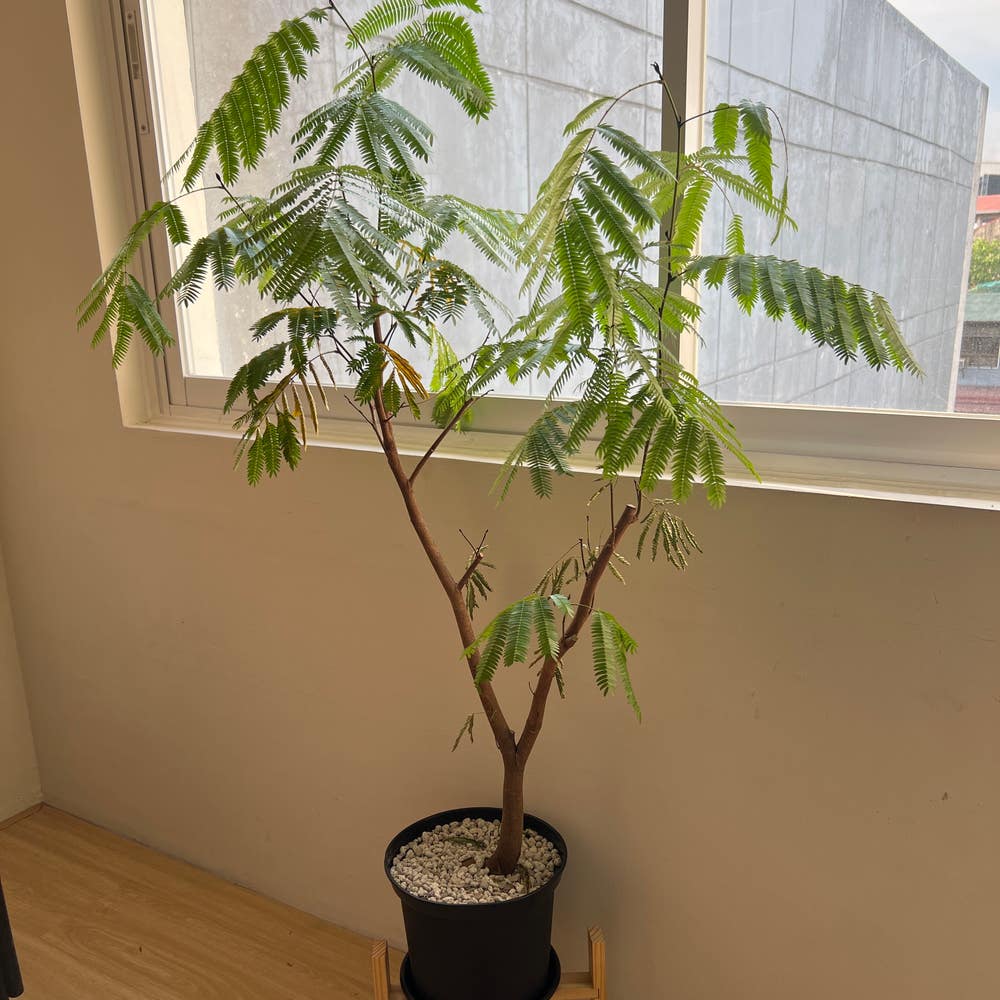
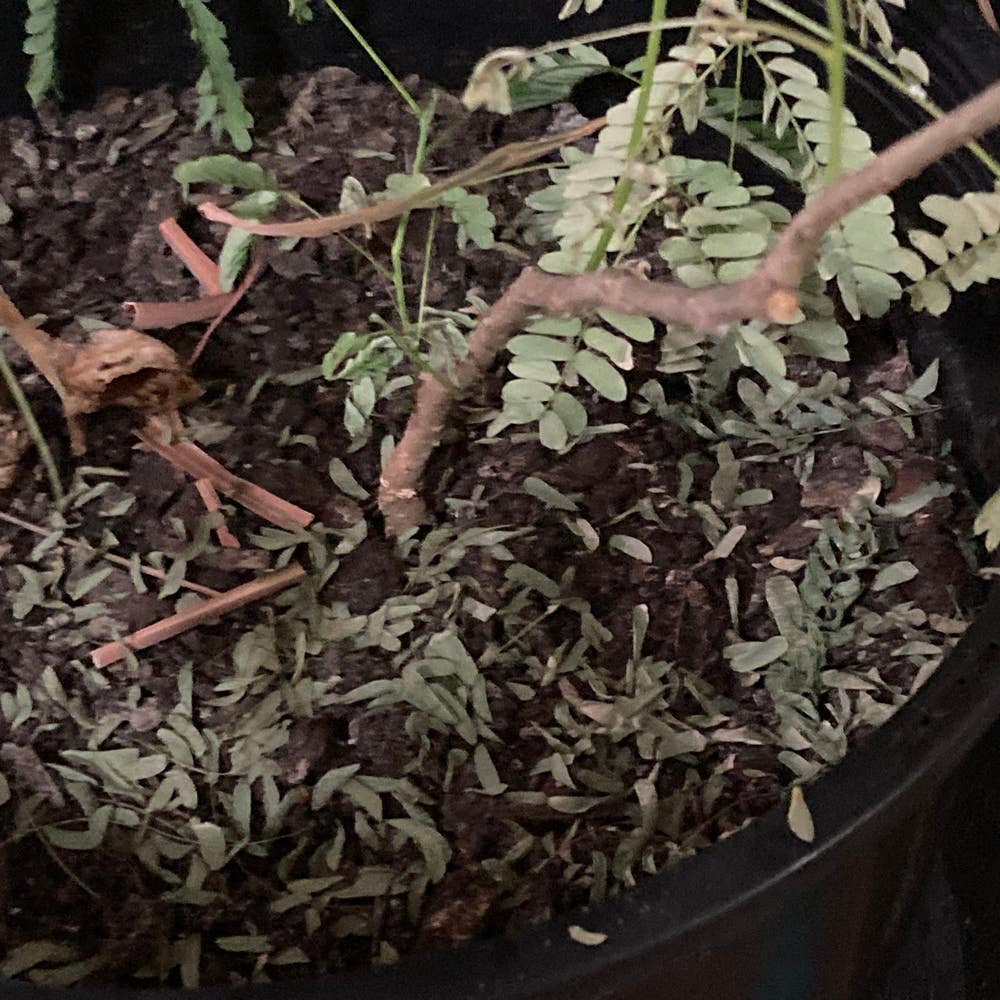
Why Are My Pink Silk Tree Leaves Mushy?
Albizia julibrissin
By the Greg Editorial Team
Jun 18, 2024•4 min read
This article was created with the help of AI so we can cover more plants for you. May contain errors. See one? Report it here.
Save your Pink Silk Tree from mushy leaves and restore its lush allure with these expert tips! 🌳💧
- Overwatering and fungi cause mushy leaves; look for yellowing and root rot.
- Prevent mushiness with proper watering, soil drainage, and container choice.
- Combat pests and diseases with IPM, clean tools, and resistant plant varieties.
Pinpointing the Culprits Behind Mushy Leaves
💦 Overwatering Woes
Yellowing leaves drooping off your Pink Silk Tree? You might be drowning it in love. Overwatering is like giving your plant an unwanted bath, and the leaves get mushy as a protest. Brown spots with a yellow halo are the telltale signs that you've been overzealous with the watering can.
🍄 Fungal Foes
Fungi are the silent party crashers in your Pink Silk Tree's life. They sneak in when the soil's too wet and turn the roots into a buffet. Root rot looks like a plant's midlife crisis, with leaves giving up and turning to mush. If you spot a powdery or moldy coat, it's time to send these uninvited guests packing.
🐛 Pest and Disease Perpetrators
Not all mushiness comes from water woes. Pests and diseases can turn your tree's leaves into a mushy graveyard. Mealybugs leave a fluffy white mess, while fungal diseases like anthracnose drop dark, sunken spots on the leaves. If your plant's leaves look like they've seen better days, it's time for a pest and disease intervention.

Rescuing Your Pink Silk Tree from Mushiness
💧 Fine-Tuning Your Watering Technique
Overwatering is often the culprit behind mushy leaves. To combat this, establish a watering schedule based on your Pink Silk Tree's actual needs. Moisture meters are your best friend here, providing an accurate reading of soil dampness. Remember, the goal is to keep the soil moist, not soggy. During winter, when your tree is less thirsty, reduce the frequency of watering.
🛠 Tools and Tricks for Assessing Soil Moisture
Forget about watering on autopilot. Instead, use the finger test—if the top inch of soil is dry, it's time to water. Alternatively, invest in a moisture meter for a more scientific approach. This gadget will tell you exactly when your tree is ready for another drink, preventing guesswork and overwatering.
🌱 Soil and Drainage Makeover
Poor drainage can turn your Pink Silk Tree's home into a swamp. To prevent this, mix perlite or coarse sand into your potting soil. These amendments improve aeration and drainage, giving roots the space to breathe.
🌿 The Best Practices for Enhancing Soil Aeration
Consider repotting your tree in a container with ample drainage holes. Terracotta pots are especially good at wicking away excess moisture. Remember, healthy roots make for firm leaves, so give your Pink Silk Tree the soil structure it deserves.

Fungus and Pest Defense Strategies
🍄 Combating Fungal Infections
Act fast when you spot the telltale signs of a fungal invasion on your Pink Silk Tree. Remove diseased leaves immediately to prevent spread and enhance air circulation around the plant.
Fungicides are your next line of defense. Copper-based options are popular, but it's crucial to ensure they're suitable for your specific plant. Apply fungicides as a preventive measure, ideally before the fungus takes hold.
Rotate your fungicides to avoid resistance. Natural remedies like neem oil and biological fungicides can also be effective and are less harsh on the environment.
🐛 Keeping Pests and Diseases at Bay
Monitor your Pink Silk Tree regularly for pests like aphids and mealybugs. If you catch them early, a quick spray of insecticidal soap or neem oil can nip an infestation in the bud.
Integrated Pest Management (IPM) is a smart, sustainable approach to pest control. It combines various strategies, including biological controls, to reduce reliance on pesticides.
Maintain plant vigor to deter pests and diseases. Healthy plants are less likely to succumb to mushy leaf syndrome. Ensure your pots and tools are clean, and isolate any sick plants immediately.
Remember, prevention is better than cure. Choose plant varieties that are resistant to pests and diseases, and you'll have fewer headaches down the road.

⚠️ Safety First
This content is for general information and may contain errors, omissions, or outdated details. It is not medical, veterinary advice, or an endorsement of therapeutic claims.
Always consult a qualified healthcare professional before using any plant as food, medicine, or supplement.
Never eat any plant (or feed one to pets) without confirming its identity with at least two trusted sources.
If you suspect poisoning, call Poison Control (800) 222-1222, the Pet Poison Helpline (800) 213-6680, or your local emergency service immediately.
Spotted an error? Please report it here.
Banish mushy leaves and keep your Pink Silk Tree thriving with Greg's tailored care reminders 🛡️ and a community of experts ready to tackle pests and fungi!