Your Pink Silk Tree's Light Requirements
Albizia julibrissin
By the Greg Editorial Team
Jun 18, 2024•3 min read
This article was created with the help of AI so we can cover more plants for you. May contain errors. See one? Report it here.
Learn to harness light for luscious Pink Silk Tree blooms indoors and out! 🌞🌿
- 🌞 Full sun needed: 6-8 hours for thriving blooms.
- 💡 Grow lights supplement: Full spectrum LEDs recommended.
- 🕒 Adjust light for flowering: Timers and photoperiods are key.
Soaking Up the Sun: Outdoor Light Love for Pink Silk Trees
🌞 Full Sun Fundamentals
Pink Silk Trees are sun worshippers. They thrive in full sun, basking in its glow to fuel their stunning blooms. Six to eight hours of direct sunlight is the sweet spot for these beauties.
The Shade Shuffle
While Pink Silk Trees prefer the limelight, they can handle some shade. Dappled sunlight works well, especially in scorching climates. It's a delicate balance—too much shade, and the tree's flowering potential drops.

Bringing the Sunshine In: Indoor Light Requirements
🌅 Window Wisdom
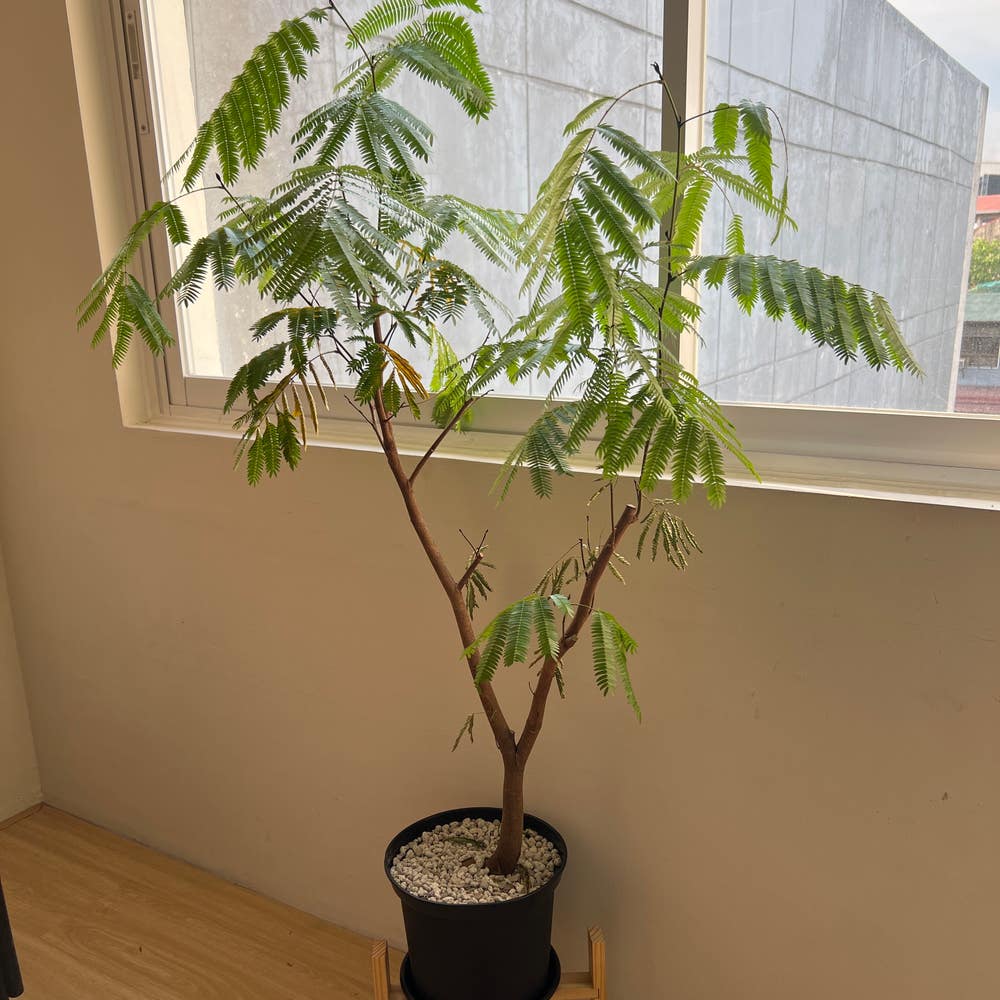
East-facing windows are your Pink Silk Tree's morning coffee—gentle and invigorating. They offer the bright, indirect light that kick-starts a healthy growth cycle. If your tree's leaves reach skyward or dull in color, it's time for a sunnier spot.
South-facing windows are the full brunch experience—more intense light that's best served with a side of sheer curtains. Remember, too much direct sun can lead to leaf burn, so moderation is key.
💡 Grow Light Glow-Up
When your Pink Silk Tree's natural light is more of a flicker than a flood, grow lights are your go-to. They're like a personal sun for your tree, especially during those dreary winter months.
Choosing a grow light? Think full spectrum LED—they're the multivitamins of light for your plant. Positioning is crucial; too close and you risk scorching, too far and it's ineffective. Aim for a sweet spot where your tree basks in the glow without breaking a sweat.
Remember, your Pink Silk Tree doesn't need a tan, just enough light to thrive indoors. Keep an eye on growth and leaf color, and adjust your light strategy accordingly. No light meter? No problem—your tree will tell you what it needs.

Flower Power: Light's Role in Pink Silk Tree Blooms
🌸 Timing the Light Right for Flowering
Pink Silk Trees, like many flowering plants, thrive under a specific light cycle that encourages their stunning blooms. To achieve optimal flowering, these trees require a balance of light and dark periods that mimic their natural habitat.
Photoperiods, or the duration of light exposure, play a crucial role in signaling to the Pink Silk Tree that it's time to flower. During the growing season, ensure your tree gets plenty of sunlight. As the days naturally lengthen, this signals the tree to initiate the blooming process.
🌅 Adjusting Light Exposure to Encourage Blooms
To coax your Pink Silk Tree into blooming, adjust the light exposure as needed. If your tree is outdoors, it will benefit from the natural progression of the seasons. However, if you're growing your tree indoors or in a shaded area, you might need to supplement with grow lights.
Grow lights can be set on timers to extend the day length, especially during the shorter days of winter, to encourage flowering. Keep in mind that too much direct light can damage the tree, so aim for bright but indirect light or use a diffuser with your grow lights.
Remember, while light is a key factor, it's not the only one. Ensure your Pink Silk Tree also has the right soil, water, and nutrients to support healthy growth and abundant blooms.

⚠️ Safety First
This content is for general information and may contain errors, omissions, or outdated details. It is not medical, veterinary advice, or an endorsement of therapeutic claims.
Always consult a qualified healthcare professional before using any plant as food, medicine, or supplement.
Never eat any plant (or feed one to pets) without confirming its identity with at least two trusted sources.
If you suspect poisoning, call Poison Control (800) 222-1222, the Pet Poison Helpline (800) 213-6680, or your local emergency service immediately.
Spotted an error? Please report it here.
Watch your Pink Silk Tree flourish 🌸 with Greg's PlantVision, which measures window distance to ensure your tree gets just the right amount of sunlight for those perfect blooms.